 3.16.20 | Endometriosis
Adenomyosis: The Common Gynecological Condition You’ve Never Heard Of
Heavy menstrual bleeding, painful cramps, and bloating during menstruation may sound like “normal” mild symptoms accompanying a woman’s period, but for some women, these symptoms are much more severe and may be signs of an undiagnosed, noncancerous gynecological condition.
 3.9.20 | Policy
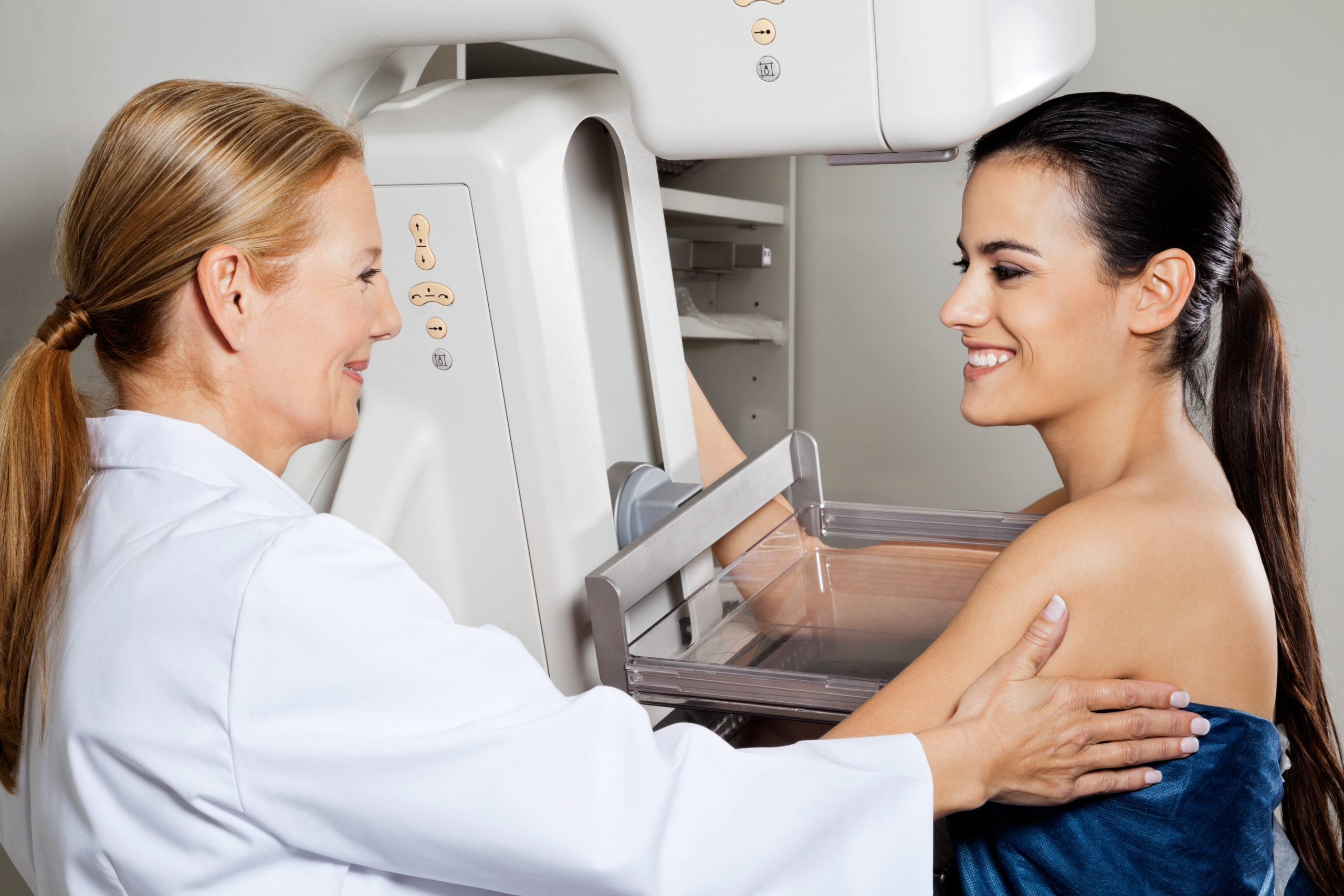
How Options for Disease Screening and Diagnosis Can Affect Women’s Health
Understanding the complicated world of screening and diagnostic testing can help patients better grasp the possibilities for their care.
 3.2.20 | Bone Health
Experts Identify Knowledge Gaps in Chronic Osteoarthritis Pain in Women
SWHR brought together researchers and clinicians for a roundtable meeting to identify unmet needs and knowledge gaps for women with osteoarthritis.
 2.27.20 | Policy
Ovarian Cancer: Challenges in Diagnostic Innovation
Most women will never be screened for ovarian cancer. Unlike with breast and cervical cancers, ovarian cancer research has struggled to produce reliable methods of screening.
 2.21.20 | Research and Clinical Trials
Women Make Up 72% of Study Participants for FDA-Approved New Drugs in 2019
SWHR is thrilled with the news that women accounted for 72% of all clinical trial participants for FDA-approved new drugs in 2019.
 2.18.20
The Promise and Peril of AI in Women’s Health
Artificial intelligence has great potential to transform health care for women if we can mitigate AI's tendency for propagating biases against women in health data.
 2.4.20 | Policy
Ovarian Cancer: Outdated Diagnostics for a Deadly Disease
Over 20,000 women will be diagnosed with ovarian cancer this year in the United States, and less than half of them will still be alive in five years.
 1.29.20 | Research and Clinical Trials
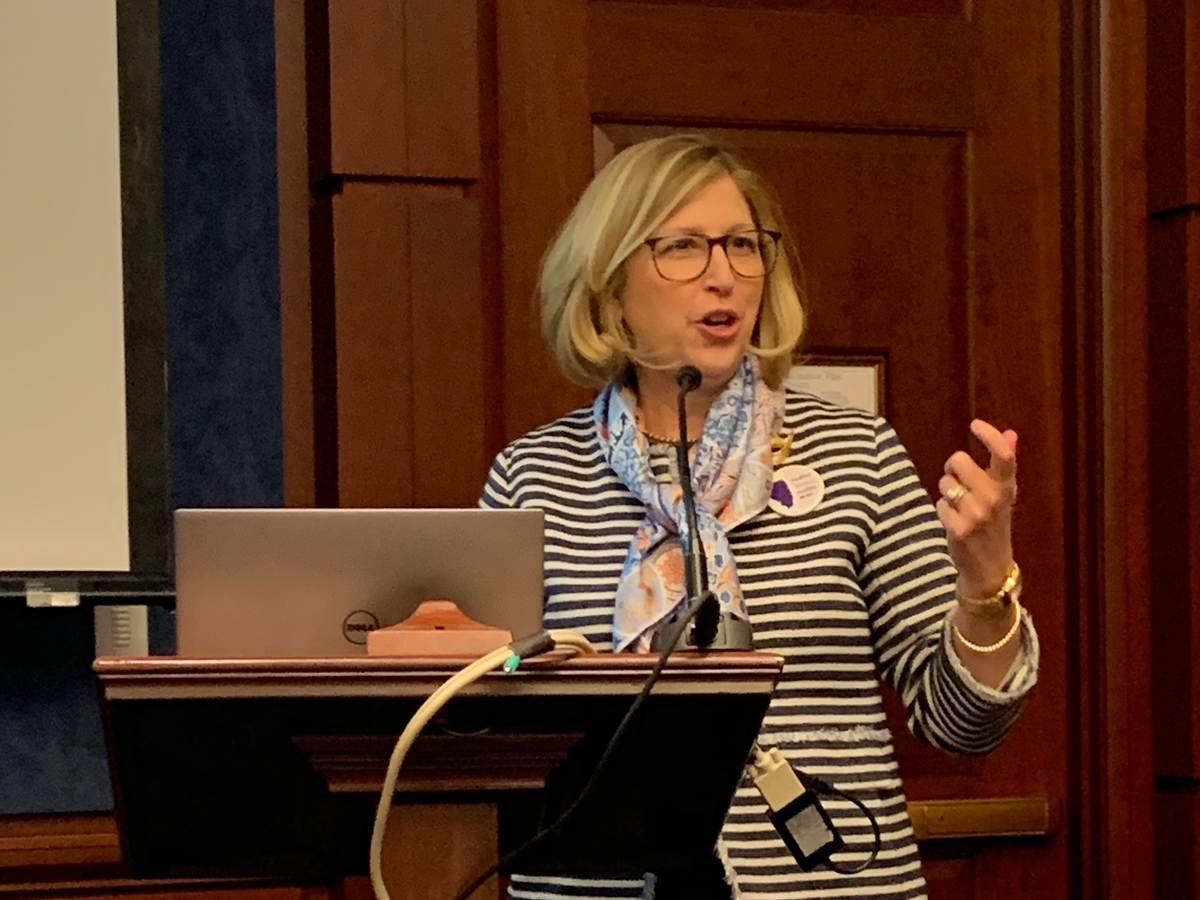
Advancing Women’s Health Requires the Study of Sex and Gender Differences
Women’s Health Research Day celebrates the day that NIH’s policy requiring inclusion of sex as a biological variable in research took effect.
 1.17.20
SWHR Launches Search for CEO in 2020
SWHR CEO Amy M. Miller announces that she is leaving in 2020 and SWHR begins search for new leader.