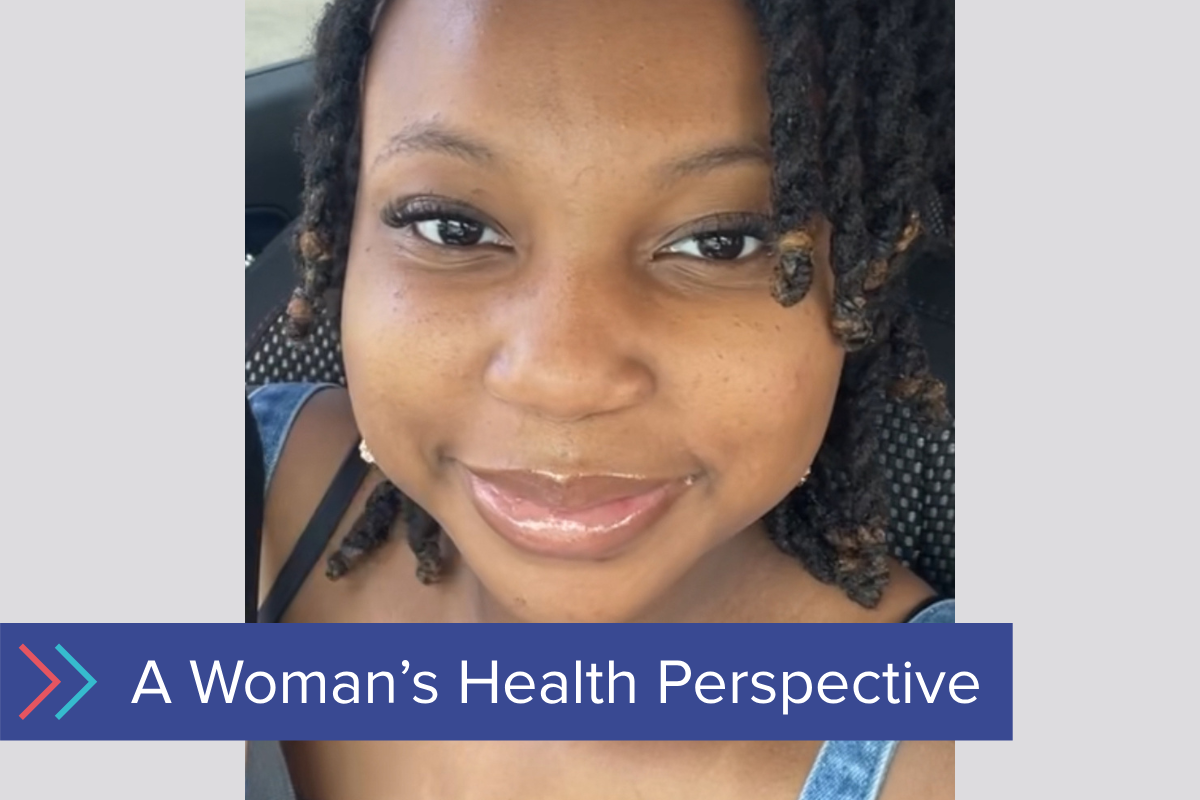
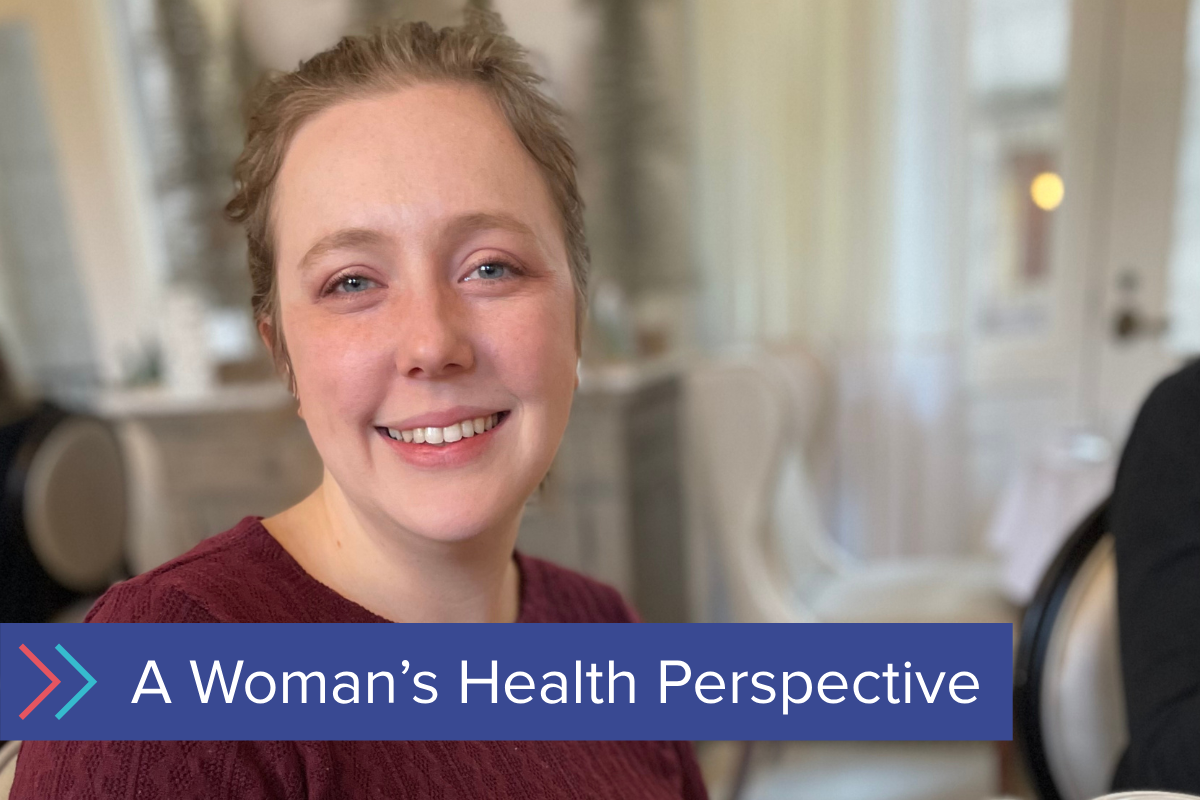
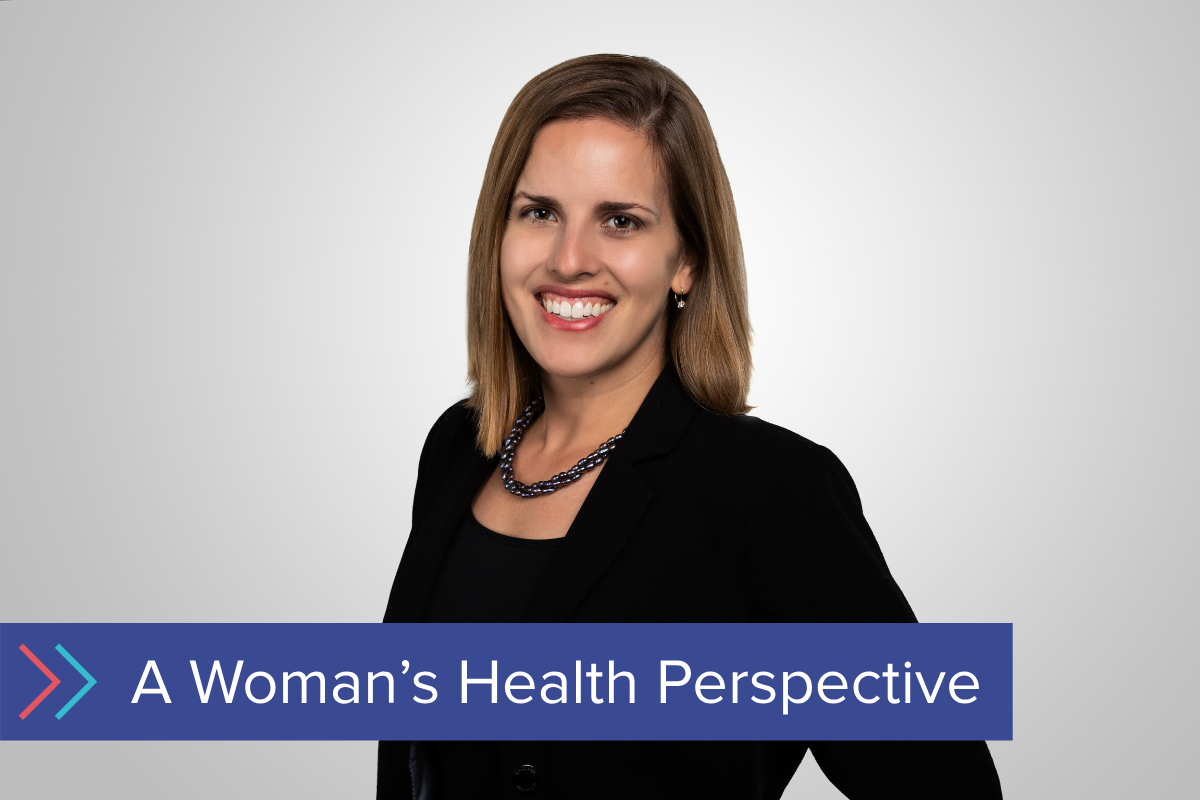
SWHR is dedicated to improving women’s health through science, policy, and education. In addition to identifying scientific knowledge and policy gaps to advance women’s health care and research, understanding and sharing women’s individual experiences and journeys can help us better inform providers and policy decision makers on critical gaps in women’s health.
Whether you are a patient or a caregiver for a family member, including a parent, spouse, child, or friend, SWHR wants to hear your personal health journey! Stories shared with SWHR may inform our resources and be shared on our website and social media platforms.
Your story is powerful – to researchers, health care providers, policymakers, and importantly, other women. SWHR wants to use the power of your story to share the real-life impact of different diseases, conditions, and life stages with the people who need to hear it most.
Please note, your story will not be used to promote or advocate for a specific company, product, or medication.
We need to do better for women. We need to educate physicians.
Heart disease remains the leading cause of death among women and men, but many people still think of heart disease […]
My hope is for more clarity on any long-term side effects – and for doctors, patients, researchers, and funders to support this much needed research so that other women can possibly avoid the pain I have experienced, both physical and mental, which also affects their partners, families, friends and colleagues who care about them.
My health journey is still unfolding, but I’m finally in a place where I feel hopeful, empowered, and connected to a larger community of women fighting similar challenges.
Tearfully, I told the ER physician at the last visit that I understood the tests were coming back normal, but something wasn’t right. I shouldn't be short of breath, heart racing, and panicking. This wasn't my normal.
I’m sharing my story because I want to raise awareness of what postpartum preeclampsia can look like. Everyone has the right to stay alive after giving birth.
I encourage others to advocate for themselves and explore options that fit their individual needs. Black women especially need to prioritize their health and well-being.
It took time, but my general practitioner also listened to me when I consistently had to push and advocate for myself. It has been a heartbreaking two years, as my life has turned upside down and I am surprised I kept fighting and still do.
SWHR’s Women’s Health Perspective series includes firsthand accounts of individuals’ personal health care and/or caregiving experiences. The views expressed here are those of the individuals and not of SWHR. SWHR does not make medical, diagnosis, or treatment recommendations. Patients and consumers should consult a professional health care provider to determine individual needs.