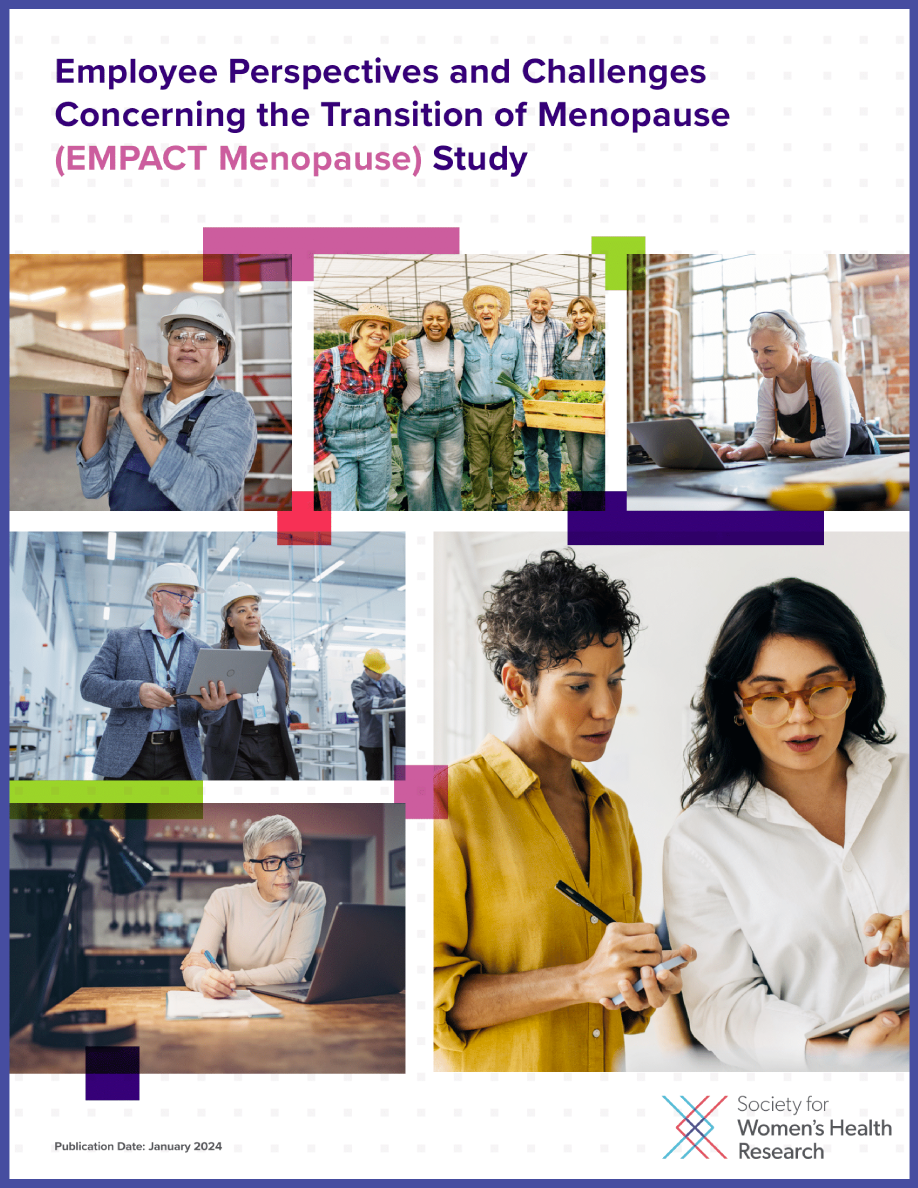
Insights from the Employee Perspectives and Challenges Concerning the Transition of Menopause (EMPACT Menopause) Study
Menopause is a universal life stage for women that has far-reaching economic, social, and health care implications during their working years.
With over 75% women participating in the labor workforce in the United States during the menopause transition years (age 45-54) according to the U.S. Bureau of Labor Statistics, it is critical to discuss women’s health experiences, including the menopause transition in the context of workplace engagement.
The Society for Women’s Health Research (SWHR) conducted the Employee Perspectives and Challenges Concerning the Transition of Menopause (EMPACT Menopause) Study to better understand the workplace experiences of individuals who have entered or completed the menopause transition, as well as their coworkers and employers.
This study aims to improve the workplace experience for the significant portion of the workforce in the menopause transition as well as collect valuable insights about its impact on coworkers, ultimately guiding us to a better workplace for everyone.
This EMPACT Menopause Bulletin is a collection of the latest EMPACT Study results and based on findings from a survey conducted by SWHR in 2023, which included over 900 respondents across several industries and workplace settings.
Download The Bulletin
 The EMPACT Menopause Bulletin includes insights on:
- The most bothersome menopause symptoms for individuals at work
- The impacts of menopause symptoms on work life
- The availability of menopause-specific policies or resources in workplaces
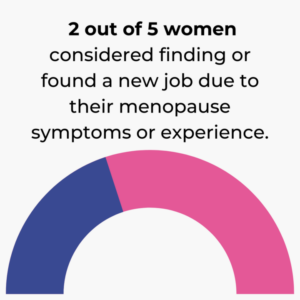
- The influence of menopause on women in making career-related decisions. For example, data show that 2 out of 5 women considered finding or found a new job due to their menopause symptoms or experience.
For questions about the study, please contact EMPACT[at]swhr.org with inquiries.