

Originally published April 1, 2025 | Updated March 10, 2026
This is a firsthand account submitted through SWHR’s Share Your Story portal, as part of SWHR’s Women’s Health Perspective series.
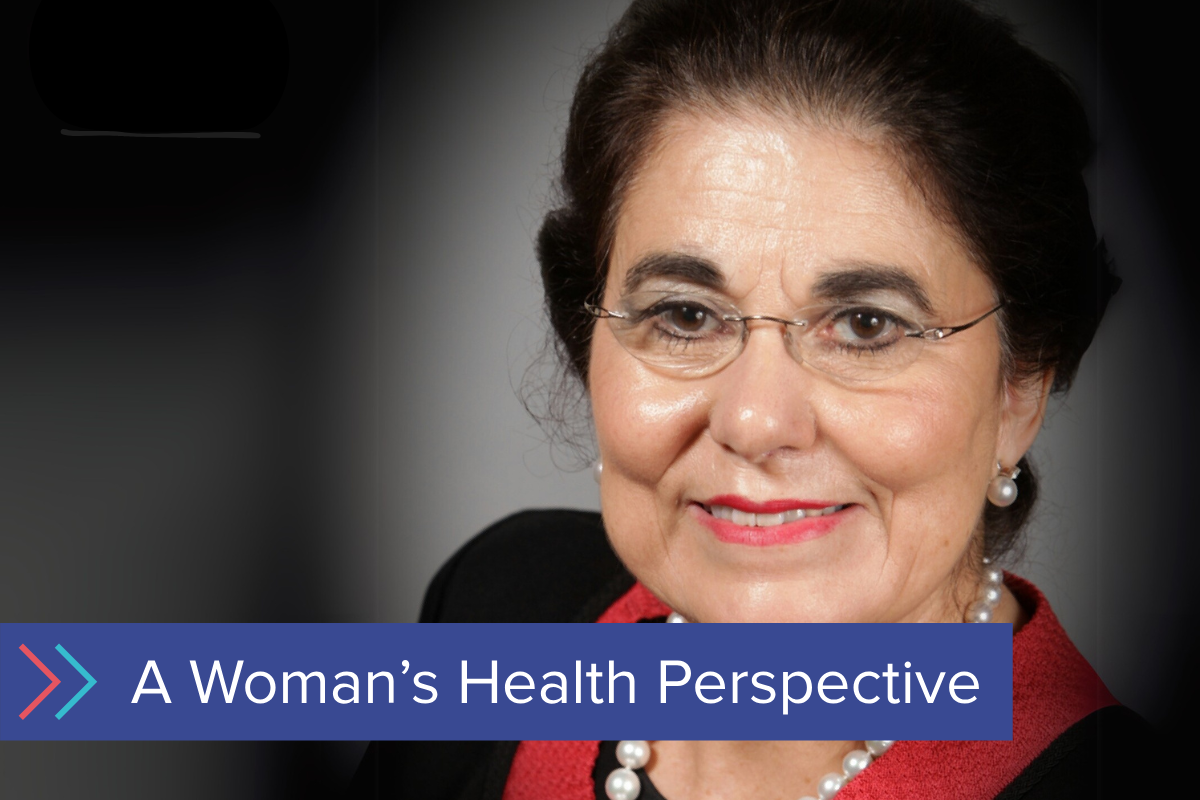
Karen Fernandes was exposed to diethylstilbestrol (DES) when her mother was prescribed DES when pregnant with Karen. DES is a synthetic estrogen that was used from the 1940s to the 1970s to prevent miscarriage and premature labor; it was later discovered that DES exposure during pregnancy can lead to serious health problems in both mother and child. DES is a transplacental carcinogen and teratogen that is now affecting a third generation.
Worrying seems to come with being a DES daughter. My first real jolt came when excitement for my first pregnancy turned to sadness upon learning it was an ectopic pregnancy. In the early 1970s, we didn’t know of the increased ectopic pregnancy risk for DES daughters, but I always wondered if the two were connected. Years were spent trying to get pregnant again, and I underwent additional surgeries trying to help my fertility and chances of becoming pregnant.
The doctors felt that I would never be able to get pregnant. It was not easy, but I was granted a “miracle baby” and my son was born after a difficult pregnancy.
We had wanted more children, so we tried again, only to experience the heartache of a second ectopic pregnancy. I knew I was pregnant at the time. When I called my doctor, he said it was too soon for a test. Weeks crawled by. Pain came and became worse. I went to the hospital in Boston and stayed for more than a week. I still remember the morning of February 14. They told me I could go home — that the baby was fine and safe in my uterus. My husband and our two-year-old son went home.
By 8 p.m. that night, the pain was unbearable and at a “10” as I was laying on the couch. We called the ambulance. The ambulance ride back to Boston felt endless — my blood pressure kept falling, and I remember the fear like a physical thing squeezing me.
I arrived at the hospital and then my husband arrived shortly after me. As I left my husband to be rolled into the operating room, I remember seeing the surgeon tell my husband that I might not survive. I found out later my fallopian tube had burst and I was hemorrhaging internally.
I remember waking up during the surgery and could hear voices around me. I said to myself “I am awake, and they do not know that.” That memory of waking in that cold, bright room still follows me today.
The surgeon removed my remaining ovary in surgery because it could not be identified within all of the blood and tissue. At 26, I was now sterile and plunged immediately into surgical menopause — hot flashes along with grief, the hollow shock of loss that would remain with me forever.
I still don’t know if that baby would have been a boy or a girl, but it was my baby, and one I would never be able to hold. The ache of that emptiness is something I carry every February with grief and tears.
You can only imagine how my mom felt then. She was angry and mad at the DES she’d been prescribed. Mom and I both cried long and hard during my recovery as we realized the loss of both ovaries and fallopian tubes meant I’d reached the end of my fertility at the age of 26. It had been my dream to have another child, and it was gone. I think the hardest things to overcome were the loss of not being able to have another child and seeing my mom’s grief alongside my own.
But I was alive – with a son to raise. Through the years, my son has remained healthy, however, I still worry. He is a DES grandson, and we don’t know whether there are problems yet to come. I have to worry about my son because he doesn’t do it himself. He’s a typical guy and tells me not to be concerned. I urge him to pay attention to his body and get the health screenings he needs as a man. I think most mothers worry about their sons, but being a DES daughter, with a DES grandson, exacerbates the situation.
And then there’s great joy in my life: my son and his wife welcomed two daughters into their family 23 and 17 years ago. I melt when they run into my arms. But in my quiet moments, I have been known to cry when I think about the fact that they are DES great granddaughters and might have also been affected by this drug, too. It’s just too early to know for sure, so my fears are there.
How do I handle this? By staying informed about DES and being an advocate for the DES exposed. We must be educated, aggressive, and assertive when dealing with our health care. Don’t be shy, read all you can. Join groups of other DES advocates.
I pay attention to DES for myself, my son, and my granddaughters. We need more research and information for DES, especially for the third generation.
Karen’s story has been featured in other outlets including Hormones Matter and MedPage Today.