








Midlife Health

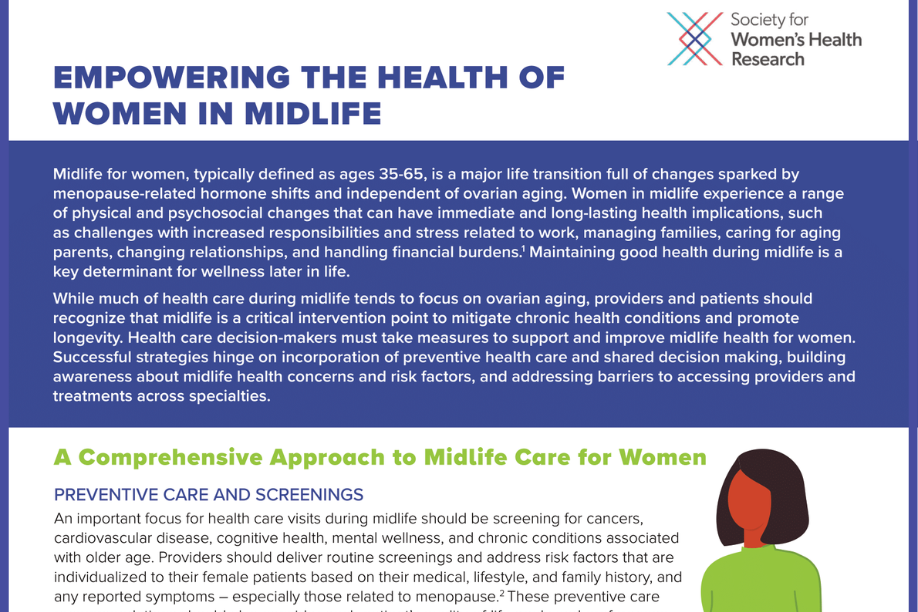
Midlife is typically defined for women as the time starting around age 35 and going through age 65. About 63% of women in the United States are in midlife, according to data from the U.S. Census Bureau. Yet, health education and research focused on this important stage and transitional time in a woman’s life have been under-prioritized and underfunded.

Women in midlife face unique health and social challenges, including but not limited, to the menopause transition, balancing work-life, and planning for older age and long-term health and wellness. During midlife, women are at increased risk for cardiovascular disease, osteoporosis and bone fracture risk, obesity, diabetes, sleep disorders, and breast and gynecologic cancers. Many women during this life stage also are caregivers for children and/or aging parents, which can have implications for their physical, psychosocial, and financial health.

Menopause is part of the SWHR Healthy Aging Network, which engages the following focus areas: Alzheimer’s Disease, Bone Health, Heart Health, Menopause, Midlife Health, and Obesity.

Program Goals

  • Review the state of the science regarding midlife health for women, including common health conditions, psychosocial challenges, and stigma experienced by women during this life stage
  • Promote science-based health care policies to improve patient outcomes for women during midlife
  • Address health disparities and improve health equity through increased access and coverage for diverse populations of women
  • Develop materials to expand education, raise awareness, and improve quality of life for women during midlife 

Facts about Midlife

menopause illustration

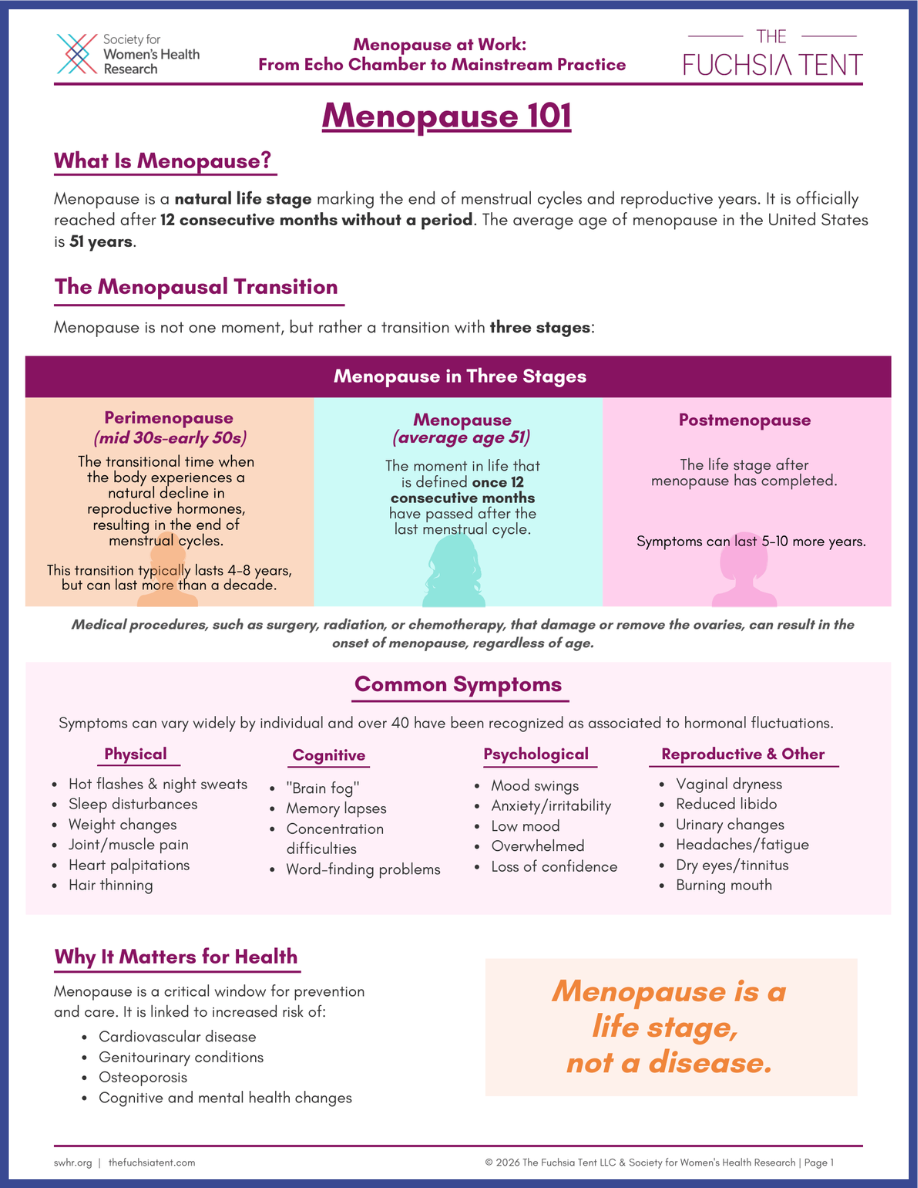
51

is the average age of menopause in the United States

osteoarthritis illustration

1 in 2 women

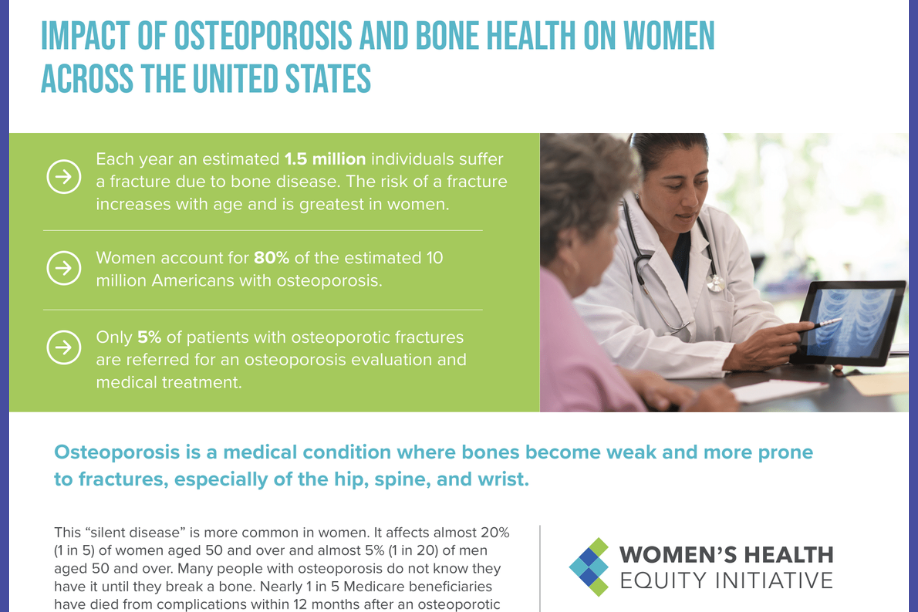
over age 50 will break a bone due to osteoporosis

1.5 pounds

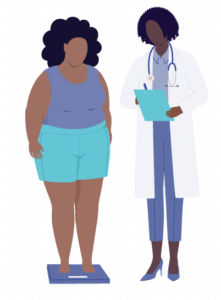
is the average amount of weight women gain each year during midlife

More about Midlife