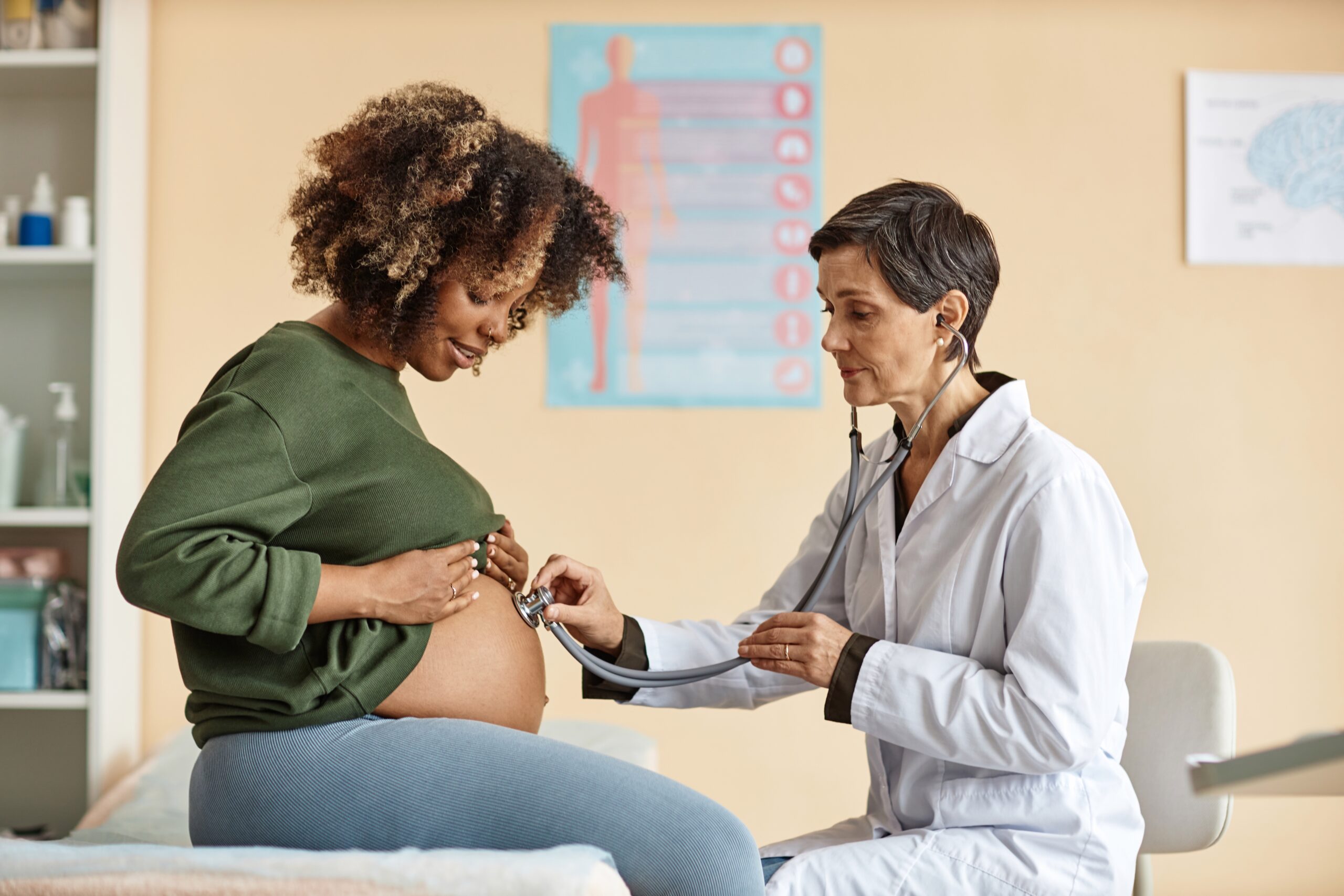
For decades, women have been underrepresented — and at times, explicitly excluded — from clinical research. This has left gaps in understanding women’s health, sex differences in disease progression, effective screening and diagnostics, and the best course of action for treatment strategies. For example, some regulatory frameworks have not historically prioritized the inclusion of women in research. Logistical barriers to the inclusion of women in research – namely, those of marginalized and historically underrepresented communities – also exist. Sociocultural factors like caregiving or household duties or even biases and oversights in recruitment practices may discourage or even prevent key populations from being sufficiently represented in research. These factors are further amplified for pregnant populations and lactating populations. A legacy of policy decisions explicitly barring their inclusion – which have since been overturned—has led to, in some cases, insufficient data on the effects of certain treatments on a mother and her child during those life stages. Workforce disparities within science and research may also lend to these disparities; research indicates that clinical trials led by women tend to enroll more diverse participants compared with those led by men.
While meaningful progress has been made in recent years, there are still challenges to address. Managing and removing these barriers is crucial to improving the representation of women in clinical trials, which in turn can lead to more effective and tailored health care solutions for women’s specific health needs.
Clinical Trials is part of the SWHR Research and Evidence Network.