

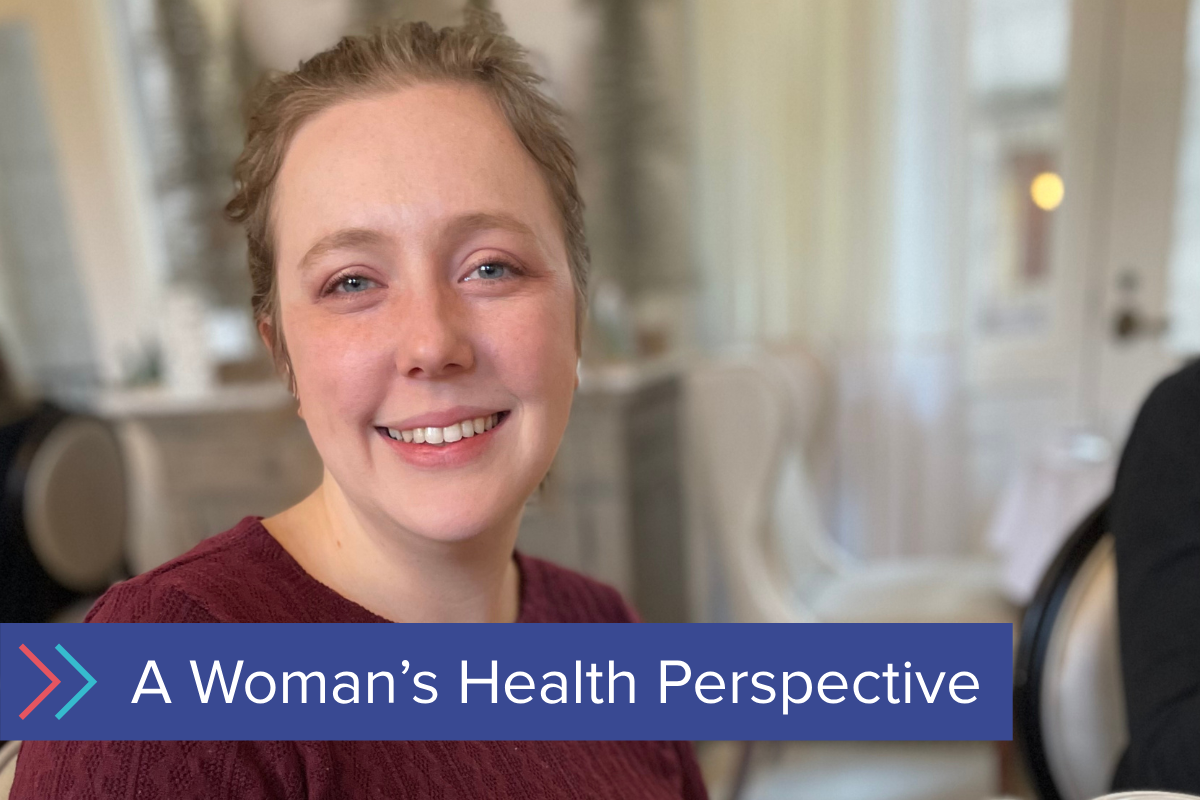
This is a firsthand account submitted through SWHR’s Share Your Story portal, as part of SWHR’s Women’s Health Perspective series.
When I was 20 years old, I decided to go on birth control. Not just for sex, but because my periods were heavy and inconsistent. I frequently bled through pads, and I even had an instance when I almost fainted in the shower.
I told my primary care physician at the time about my fainting, and I mentioned the heavy periods. She put me on an estrogen form of birth control – no questions asked.
Years later, while still on this birth control, I heard from a friend that people who experience ocular migraines shouldn’t be on birth control because of an increased risk of stroke. This scared me because I had ocular migraines since I was 16, and I definitely still had them on a regular basis while on birth control.
So, at 26 years old on birth control, I went to my primary care physician and mentioned this. I also mentioned that I was planning to conceive later that year. We discussed options and it was decided to just use up the last of my pills and then stop taking them, since the timing coincided with my desire to get pregnant. So, I did just that: in mid-December that year I went off of my birth control.
That month, we traveled to Florida to run my first marathon. Completing that and on a mental high, I was ready to try and get pregnant, so we headed home.
The day we got home, two days before my 27th birthday, I got my first period. I was expecting to have a period that was reminiscent of my periods before birth control: heavy, but manageable. Instead, I had an ocular migraine. Only, this migraine was different and turned into a vision deficit in my right field of vision, and my aura never went away.
It turns out the aura wasn’t an aura at all; it was a blind spot.
I’d had a stroke.
It was a small stroke. Even after getting imaging done multiple times after the stroke, the damage was never seen on an MRI. And honestly, I might have just shrugged it off as a regular, old migraine if it wasn’t for the lasting vision damage. I now permanently have a wedge shaped blind spot in my right periphery. It sees large light, and some static looking movement.
Two years and a pregnancy later, I was still searching for answers. It wasn’t until recently that I had a simple blood test done, and I found out that I have a blood clotting disorder.
When I was 20, I should never have been put on an estrogen form of birth control in the first place. I was never asked about ocular migraines. The health care system failed me then.
And then, when I found out for myself and requested that I be taken off birth control, no one warned me that I should take it easy during my first period off of it. It’s a notorious time for blood clotting and for vasospasms. Estrogen withdrawal is a scary time, and a person with a history of migraines should have been warned about the risks.
I was a ticking time bomb and never even knew it. I was gambling with my life every day I was on an estrogen birth control.
I would have loved to have done that simple blood test done when I was 20, just a couple of test tubes of blood. That is a sacrifice I would have gladly made to not have to spend thousands of dollars on care and labs and imaging many years later; to have ensured my health was intact and not have debilitating anxiety when I get a migraine now.
Every day that passes that we don’t recommend screening for blood clotting disorders and getting better patient backgrounds, we are putting women in danger.
Because of my blood clotting disorder, I am now permanently on a blood thinner. I have also gone on an antidepressant that doubles as a migraine and anxiety medication to help prevent panic attacks.
My stroke was preventable. What’s more? It didn’t impede my access to birth control, because as I am writing this, I am on birth control. The difference is it doesn’t contain estrogen. We need to do better for women. We need to educate physicians on the risk of what they are prescribing when they prescribe birth control without knowing a patient’s background. Birth control is a right for women, and should remain that way, but we need to do better.