 3.9.21 | Research and Clinical Trials
People of Color Continue to Be Underrepresented in Research on New Drugs
After decades of being underrepresented in biomedical research, women have accounted for more than 50% of participants in clinical trials for FDA-approved new drugs in the past four years.
 3.4.21 | Health Equity
Harnessing the Power of AI for All Patients Requires Focus on Equity and Transparency
It is imperative that AI developers and regulators consider race, ethnicity, and gender in their datasets to work toward improved health equity for women and people of color.
 2.22.21 | Maternal Health
Maternal Health Disparities: A Q&A with Dr. Jasmine Johnson
SWHR CEO Katie Schubert interviews Dr. Jasmine Johnson, a maternal-fetal medicine fellow at the University of North Carolina, about racial disparities in maternal health outcomes.
 2.18.21 | Coronavirus
A Look at the COVID-19 Crisis for Women Experiencing Homelessness
Women experiencing homelessness are an at-risk population for whom the COVID-19 pandemic is exacerbating existing health and economic challenges.
 2.16.21 | Liver Health
Living with PBC: A Patient’s Journey with a Rare Liver Disease
Laurie Garza tells her personal journey of being diagnosed with primary biliary cholangitis (PBC), a chronic autoimmune liver disease, and how she manages her condition.
 2.10.21 | Research and Clinical Trials
Neuroscientist Jill Becker Takes Helm of Biology of Sex Differences Journal
The Biology of Sex Differences journal welcomed Dr. Jill Becker, PhD, as its new editor-in-chief earlier this month.
 2.8.21 | Policy
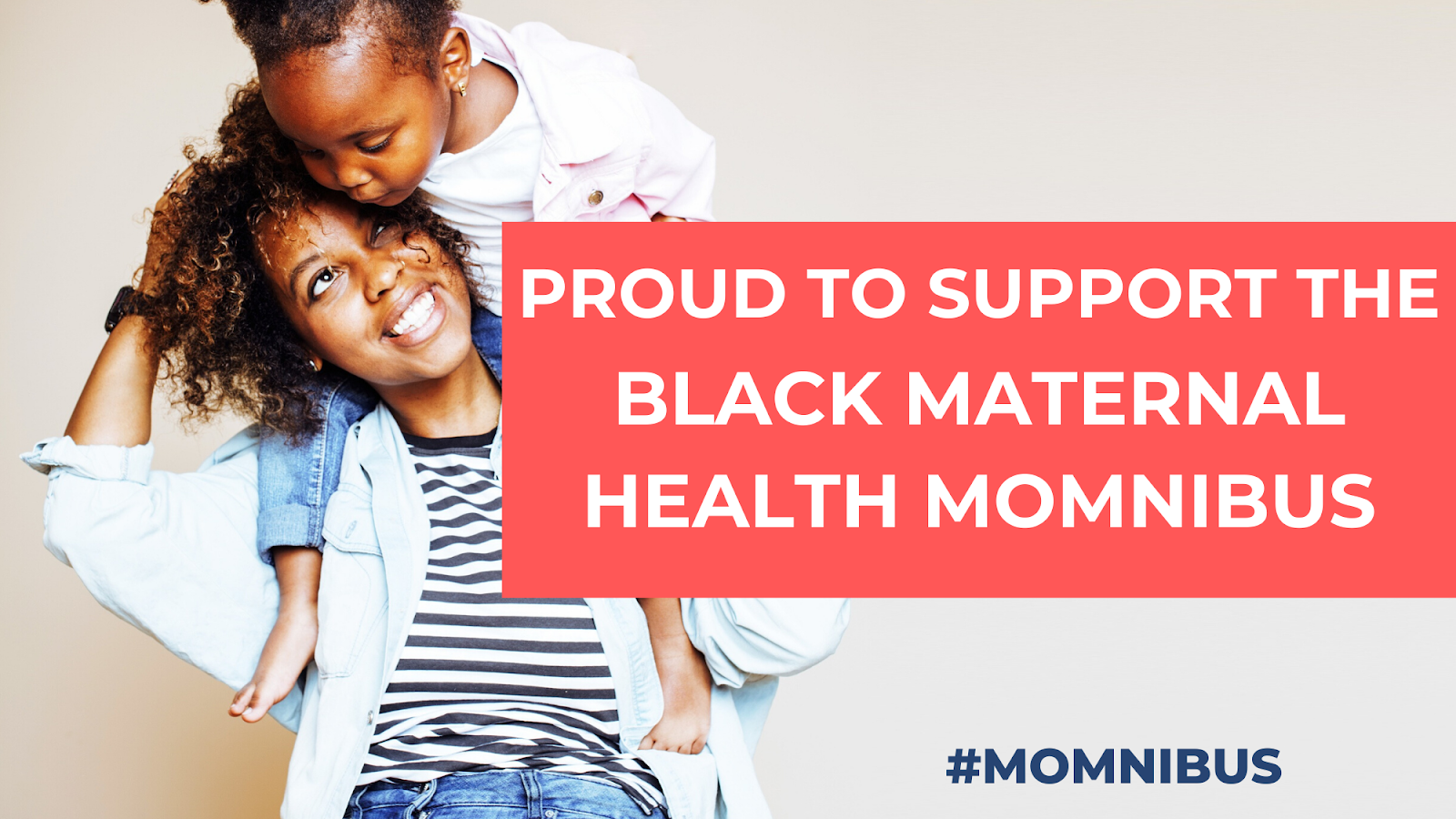
SWHR Endorses Momnibus Bill to Address Disparities in Maternal Health
SWHR endorses the Black Maternal Health Momnibus Act, a comprehensive package of 12 bills that address disparities in maternal health.
 2.3.21 | Menopause
It’s Time for a Mood Change on Menopause
Menopause is understudied in research, often misunderstood by providers and patients, and unaddressed in many areas of health care policy.
 2.2.21 | Coronavirus
COVID-19 Vaccination Strategies Must Ensure Equity for All Women
As government officials push forward with their vaccination strategies, they must ensure all women are protected from COVID-19 by removing barriers that may prevent them from getting vaccinated.