

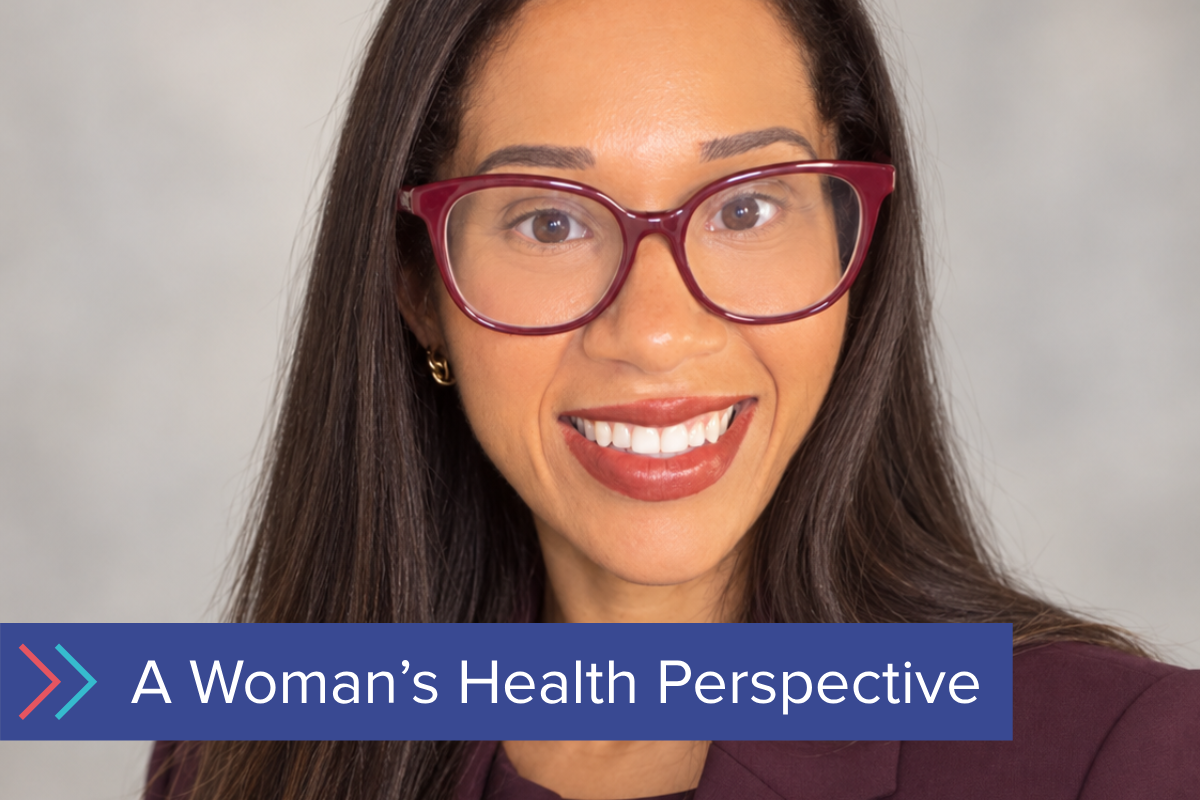
This is a firsthand account submitted through SWHR’s Share Your Story portal, as part of SWHR’s Women’s Health Perspective series.
My PMOS (polyendocrine metabolic ovarian syndrome, formally PCOS) story began long before I knew its name. Around eighth grade, I had irregular periods, heavy bleeding, and unbearable pain. At thirteen, I gained twenty pounds over one summer.
Throughout high school, I tried diets and sometimes exercised twice a day. The weight never stayed off, and I constantly craved carbohydrates. I remember sitting in class, repeatedly writing, “You’re not hungry,” trying to suppress my hunger.
Despite annual medical appointments and starting gynecologic care and birth control around fifteen, no one raised PMOS or connected my menstrual symptoms with my weight struggles.
During my first six months of college, I gained seventy pounds. My moods shifted, my self-esteem suffered, and friends joked that I was “crazy.” I was diagnosed with depression. Looking back, I wonder whether anyone considered my emotional health, rapid weight changes, and painful, irregular periods together.
Around nineteen, I learned about PMOS from someone recently diagnosed. Her experience sounded familiar, but when I requested testing, I was dismissed and told it was not possible. I continued trying weight-loss programs and prescription medications because doctors consistently told me losing weight would help my symptoms.
In 2014, a gynecologist finally agreed to test me. An ultrasound showed small ovarian cysts, and I learned I had insulin resistance and prediabetes. After years of symptoms, I finally had a PMOS diagnosis. I was warned that I would develop diabetes within five years and that having children could be difficult. I received birth control and metformin (to manage my blood sugar), along with the message that losing weight would help my symptoms.
That advice shaped my decision to pursue gastric bypass. I lost significant weight and remain grateful for surgery. But irregular bleeding, mood shifts, intense carbohydrate cravings, acne, facial hair, and other symptoms persisted. I had done what I was told would help my symptoms, yet I was still struggling.
Metformin caused diarrhea. Severe acne later led to a dermatology referral and spironolactone, which cleared my skin. I took it for about six years while irregular bleeding continued. I feared stopping it because the acne might return.
Across different gynecologists, advice conflicted: some said I needed metformin; others said I did not. Each addressed one piece of my experience, leaving me to connect the dots.
By 2022, I felt defeated. I was bleeding every two weeks and living with painful periods and mood shifts. Birth control remained the recurring answer. Significant weight loss had not brought the symptom relief I had expected.
I began advocating for myself through research. One gynecologist listened and recommended a book about managing PMOS. I wanted education beyond instructions to lose weight or take birth control, and a voice in decisions about my care.
I incorporated exercise and strength training, changed my diet, added vitamins, and decided to stop medication. Over the next months, I noticed measurable improvement. Later, I had my son. Understanding my condition and feeling more in control has been freeing, but it has not erased my disappointment or the ongoing battle.
Recently, I asked a new primary care provider to include PMOS in my wellness conversation. Again, I was offered birth control. I wanted an open discussion and ongoing attention to my condition. Instead, I heard, “You probably don’t even have PMOS.” Despite my diagnosis, I had to advocate all over again.
What might my story have looked like if someone had connected the dots or listened earlier?
Women deserve to be heard. We need greater focus on women’s health, education, and a more connected ecosystem of care. Our menstrual, metabolic, emotional, and skin concerns should not be treated as isolated pieces. We should not have to become our own care coordinators to receive answers.
We should be able to go to the doctor and feel heard, believed, and helped. Women deserve care that sees the whole person.