Webinars & Videos
Women have historically been underrepresented in clinical trials, leading to critical gaps in understanding how diseases present, progress, and respond to treatment across the female lifespan. Biological factors, such as hormonal changes, as well as social and structural barriers—including caregiving responsibilities, limited access to trial sites, and lack of awareness—have contributed to lower participation. As a result, treatments may be less optimized for women, particularly those from underrepresented backgrounds. Improving women’s participation in clinical trials is essential to generating more accurate, inclusive evidence, advancing health equity, and ensuring that medical innovations are safe, effective, and responsive to the diverse needs of all women.
SWHR hosted a webinar to bring together perspectives from research, advocacy, and lived experience to explore the barriers limiting women’s participation in clinical trials and highlight actionable strategies to improve inclusion, equity, and engagement across the research lifecycle.
View the original event page here: Advancing Women’s Participation in Clinical Trials: Barriers, Innovations, and Actionable Solutions
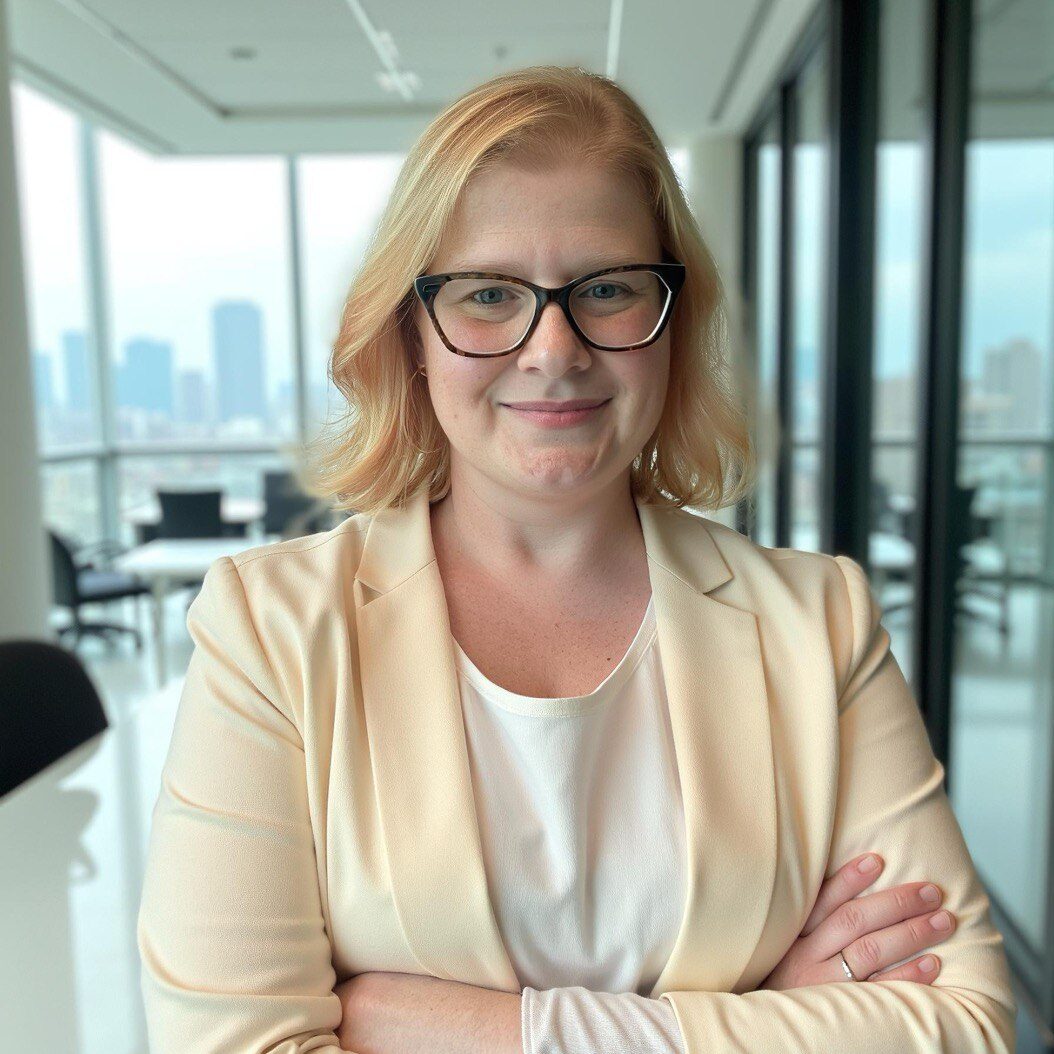
Charise Van Liew has started, led, and managed nonprofit organizations focused on the greater good for over 20 years. Her main focus has been advancing women in tech and increasing dignity in the workplace.
In 2021, after over 4 years of desperately trying to get a Cushing’s diagnosis and treatment, Charise qualified for and started a clinical trial at Johns Hopkins for Cushing’s. She is still in the extended clinical trial to receive the medication as it was denied approval by the FDA in December 2025.
April 2024, at the age of 42, Charise Van Liew experienced a massive heart attack. She was seen by doctors regularly for a clinical trial she was in at Johns Hopkins but was never seen by a cardiologist. She didn’t know heart disease was the #1 cause of death in women and didn’t know family history increases risk. Doctors aren’t sure why Charise had a heart attack 20+ years early than everyone else in her family, but they think it might have been accelerated due to Cushing’s disease. After experiencing what she thought was heartburn for almost a week, the heartburn spread to her shoulder. She knew that wasn’t normal and went to the ER. A few hours later, she had a heart attack in the ER. She lasted 5 hours until she got to a cardiac unit for a stent. Surviving the ordeal with no heart damage was her green light to advocate for better heart health awareness among women, their providers, and loved ones.
Charise is also a WomenHeart Champion. Learn more about WomenHeart and the WomenHeart Champion program online here.

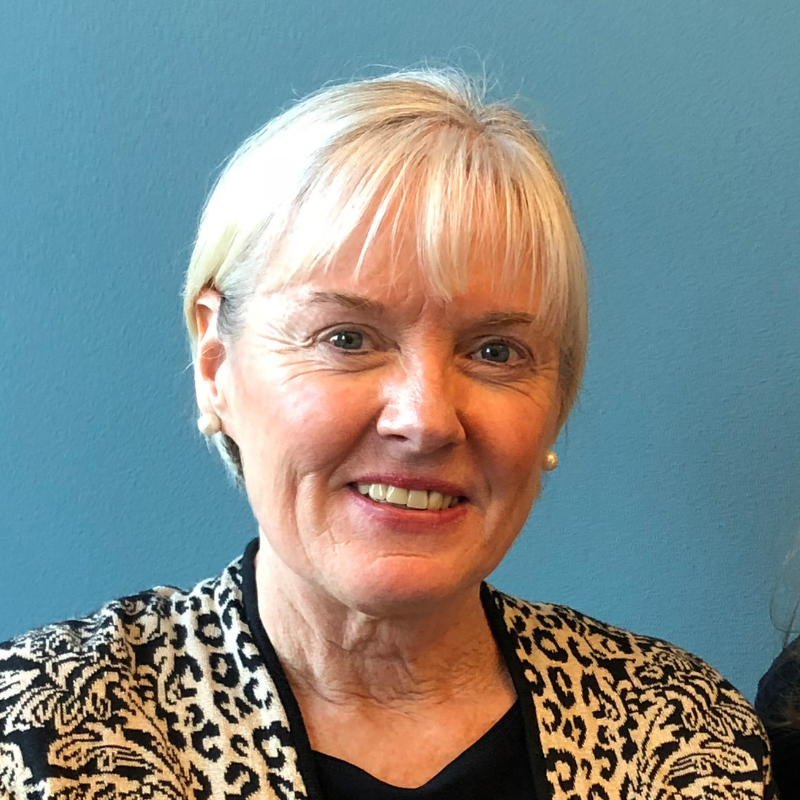
Mary McGowan is the President and CEO of the Foundation for Sarcoidosis Research, the leading international organization dedicated improving the lives of those with sarcoidosis. Ms. McGowan leads Award winning, groundbreaking efforts to improve clinical trial access, advance shared decision-making, and accelerate drug development. Through efforts like the Ignore No More Campaign, the Coalition to Advance Clinical Trial Engagement, and the FSR Global Sarcoidosis Clinic Alliance, Ms. McGowan has been recognized for her strategic, innovative, and collaborative efforts to advance the needs of rare disease patients through the creation of practical, impactful, and replicable programs and collaborative networks.
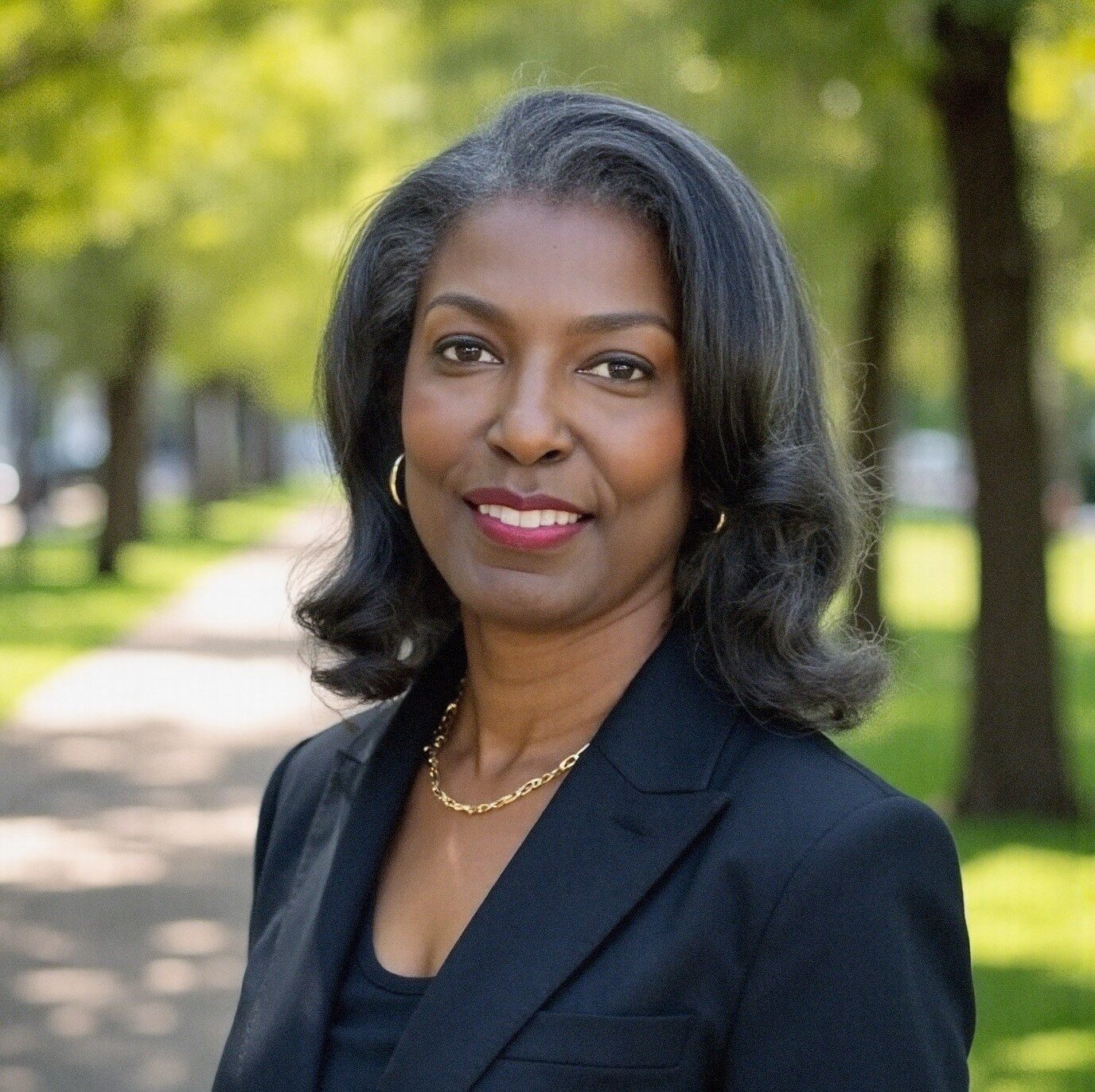
Sabrena Mervin-Blake is a Senior Project Manager at The Clinical Trials Transformation Initiative (CTTI) where she manages, coordinates and implements a range of CTTI projects. She serves as operational partner to CTTI project team leaders and is the central person responsible for facilitating the activities of project teams. Ms. Mervin-Blake has over 30 years of research experience including 20+ years in clinical research. Her previous roles include senior staff director for community engagement and equity in research and director of research participant recruitment and operations. Early career work focused on the discovery of novel therapeutics, preclinical research, and 10 years as a research analyst in basic science. Ms. Mervin-Blake received a Bachelor of Science in Biology from the University of North Carolina at Chapel Hill and Master of Science in Clinical Research from the Campbell University College of Pharmacy.
Support for this educational program has been provided by Heart Disease Research Foundation (HDRF) and Organon. SWHR maintains independence and editorial control over program development, content, and work products.