

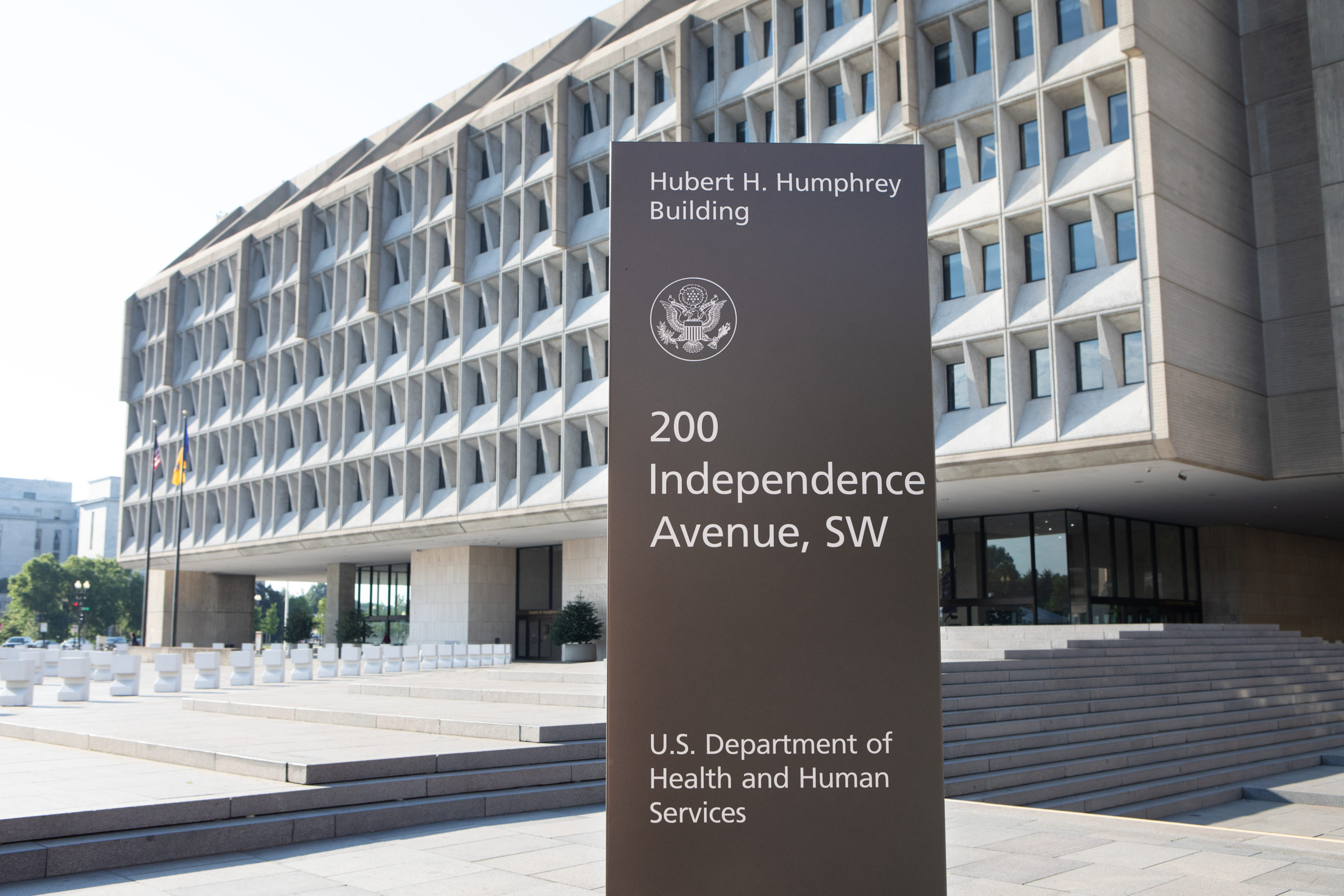
Recent confirmations to leadership roles across major U.S. federal health agencies have the potential to signal the Trump Administration’s vision for the future direction of public health policy and biomedical research. These confirmations may indicate potential federal research priorities, regulatory approaches, and the role of science in policymaking. Given federal agencies’ role in advancing the health of all Americans, new leadership will have bearing on women’s health and the broader research community.
Here is where things stand:
Secretary Robert F. Kennedy Jr. for Department of Health and Human Services
Robert F. Kennedy Jr., JD, LLM, was confirmed as the secretary of the U.S. Department of Health and Human Services (HHS) on February 13, 2025, by a 52-48 vote. In this role, he oversees agencies, including the Food and Drug Administration (FDA), Centers for Medicare and Medicaid Services (CMS), and National Institutes of Health (NIH). His confirmation hearing was marked by intense scrutiny over his views on a variety of topics, including reproductive health care, vaccines, and nutrition-based approach to disease prevention – particularly for chronic disease. Read a recap of his confirmation hearings here.
During Secretary Kennedy’s first few months in office, HHS has seen significant changes. Notably, in March HHS announced a restructuring in response to the president’s Executive Order “Implementing the President’s ‘Department of Government Efficiency’ Workforce Optimization Initiative.” As part of the restructuring, 28 HHS divisions will be consolidated into 15, and there will be five regional offices, down from 10. There have also been dramatic reductions in workforce; the HHS restructuring announcement called for a reduction of 20,000 employees. Additionally, in March the agency announced that it would be rescinding a longtime waiver that allowed for greater participation of the public in federal rulemaking. Read the Society for Women’s Health Research (SWHR) statement on the move here.
Additionally, and relevant to Mr. Kennedy’s portfolio, the Trump administration also announced in February the Make America Healthy Again Commission, for which Mr. Kennedy will serve as chair. The Commission is tasked with addressing the root causes of chronic illness and related health issues including but not limited to mental health disorders, obesity, and diabetes. The Commission must submit a report to the President within its first 100 days detailing its findings related to preventing childhood health issues, threats of various influences to childhood health – such as “over-utilization of medication” or food ingredients – and how the Commission plans to “restore the integrity of science” by establishing a plan for transparency and “[eliminate] undue industry influence.”
The effects of these changes on public health and medical research have yet to be seen. SWHR is aiming to meet with members of the HHS team to discuss the how women’s health research is integral to society and how biological sex differences research can help us understand the root causes of disease.
Dr. Jay Bhattacharya for Director of the National Institutes of Health
On March 25, 2025, Jay Bhattacharya, MD, PhD, was confirmed as Director of the NIH in a 53–47 Senate vote. A physician and economist by training, Dr. Bhattacharya has built a career studying population health, aging, and economic influences on well-being. His appointment comes at a pivotal time for the NIH.
The NIH is a cornerstone of American biomedical innovation and a global leader in scientific research. The Office of Research on Women’s Health plays a unique and essential role in the NIH ecosystem by ensuring that women’s health and sex-based biological differences are not overlooked in biomedical research, and the Eunice Kennedy Shriver National Institute of Child Health and Human Development complements this mission by advancing research on child development, reproductive health, and maternal health, with an emphasis on understanding how biological, behavioral, and social factors uniquely affect women and children across the lifespan.
While not a centerpiece of Dr. Bhattacharya’s confirmation process, Senator Patty Murray (D-WA) did raise concerns about the ripple effects of recent grant freezes and staff dismissals in areas like Alzheimer’s research and women’s health broadly. Dr. Bhattacharya indicated that proposed funding cuts — particularly a 15% cap on facilities and administrative (or “indirect cost”) rates — could significantly impact the operations of research institutions. He also stressed the need to rebuild public trust in scientific institutions through greater transparency and accountability.
Dr. Marty Makary as Commissioner of the Food and Drug Administration
On April 1, 2025, the Senate confirmed Marty Makary, MD, MPH as the new Commissioner of the FDA in a 56–44 vote. A surgical oncologist known for his work in health care transparency and patient safety, Dr. Makary assumes leadership of the agency at an imperative moment for public health and drug policy.
In this role, Dr. Makary will oversee a broad regulatory portfolio that includes drug approvals, clinical trial oversight, and efforts to improve equity in health care innovation. Important to SWHR, the FDA plays a prominent role in ensuring that clinical trials populations are diverse and inclusive, reflecting the population they are intending to serve. Recent staff reductions at the FDA have prompted concerns about the agency’s ability to carry out timely, rigorous reviews for drugs and medical devices. These cuts may have ripple effects on women’s health, in particular, potentially leading to less thorough evaluation of sex-based differences in drug response and inconsistencies in how treatments are assessed across therapeutic areas. Having fewer specialized reviewers and growing workloads could result in key nuances of review being overlooked in the evaluation and approval process. With these challenges, all eyes will be on how Dr. Makary balances scientific integrity, regulatory rigor, and political pressures in shaping the FDA’s direction for the years ahead.
Dr. Mehmet Oz as Administrator of the Centers for Medicare & Medicaid Services
On April 3, 2025, Mehmet Oz, MD, MBA was confirmed as Administrator of CMS, bringing his background in medicine and media to one of the most influential roles in federal health care administration. As CMS Administrator, Dr. Oz will oversee health coverage for over 150 million Americans, including populations who rely on Medicare, Medicaid, and the Children’s Health Insurance Program (CHIP). His approach to leadership will significantly shape the scope, accessibility, and quality of health care services—and notably for women across the life course.
During his confirmation hearing, Dr. Oz addressed several pressing issues affecting Medicare and Medicaid beneficiaries, including chronic disease management and maternal mortality, a public health crisis that disproportionately impacts women of color and low-income communities. In the hearing, Dr. Oz emphasized the importance of addressing obesity as it relates to chronic conditions, such as diabetes and cardiovascular disease, which are conditions that contribute to higher health care costs and poor outcomes for women. With CMS being the single largest health insurance provider in the United States, Dr. Oz’s actions as commissioner could significantly shape health care outcomes for women across the United States.
Acting Director Susan Monarez for Centers for Disease Control and Prevention
As of April 22, 2025, the Centers for Disease Control and Prevention (CDC) is operating under the leadership of Acting Director Susan Monarez, PhD, who stepped into the role on January 23, 2025 and was announced in March as President Trump’s nominee to the permanent role, following the withdrawn nomination of former Representative Dave Weldon. Dr. Monarez brings a background in science and technology policy, having worked extensively in public health research, biodefense, and emergency preparedness.
Broader Implications for Women’s Health Research
New leadership within federal public health and research agencies reflect the priorities of the administration in which they serve, with potential impact on women’s health and the women’s health gap. Funding and personnel cuts for biomedical research and changes in leadership will inevitably affect the direction of public health initiatives and the allocation of resources for women’s health research. SWHR is closely monitoring these developments to understand their implications for women’s health outcomes and scientific advancement.