

By Syreen Goulmamine, SWHR, and Kacy Fleming, The Fuchsia Tent
When Society for Women’s Health Research (SWHR) set out to move the needle on workplace menopause support, advocacy alone would not be enough. There needed to be an evidence base for this work – built from the people most often left out of these conversations.
SWHR partnered with organizational psychologist Kacy Fleming, MA and The Fuchsia Tent to create Menopause at Work: From Echo Chamber to Mainstream Practice, a national mixed methods research initiative. The study pairs a large-scale, multi-stakeholder survey with a series of in-person regional roundtables, each built to reach beyond the voices already discussing menopause and into the rooms where workplace decisions are actually made.
The National Survey
The quantitative arm of the study was approved by Pearl IRB and fielded nationally from March 11 to April 16, 2026. Thank you to all who shared this survey with their networks, and those who made their voices heard. The survey instrument was designed to capture the full spectrum of dealing with menopause at work. This includes not only the experiences of women in the menopause transition, but the readiness of the workplaces and systems built around them.
More than 1,100 people across the American workforce responded. The sample spans employees and people leaders, benefits decision-makers and clinicians, women in midlife and those who have not yet entered the menopause transition, men, and respondents across the gender spectrum. Over 40% of respondents are men, and more than half of the women in the sample identified as underrepresented backgrounds, an intentional sampling strategy that ensures the findings reflect the actual workforce.
Industries represented include health care, technology, professional services, government, education, manufacturing, and retail. Employer size ranges from small businesses to enterprises with tens of thousands of employees, and respondents were geographically distributed across the United States.
The survey instrument measured employer readiness, employee experience, symptom impact, disclosure behavior, awareness of clinical pathways, and access to care. The full demographic profile and findings will be released in the forthcoming research report.
The Roundtables
From April 24 to May 8, SWHR and The Fuchsia Tent convened regional roundtable discussions in four U.S. cities:
- Boston, Massachusetts at William James College
- Houston, Texas at Texas Children’s Pavilion for Women
- Chicago, Illinois at The Arts Club of Chicago
- Los Angeles, California at WME Agency
-
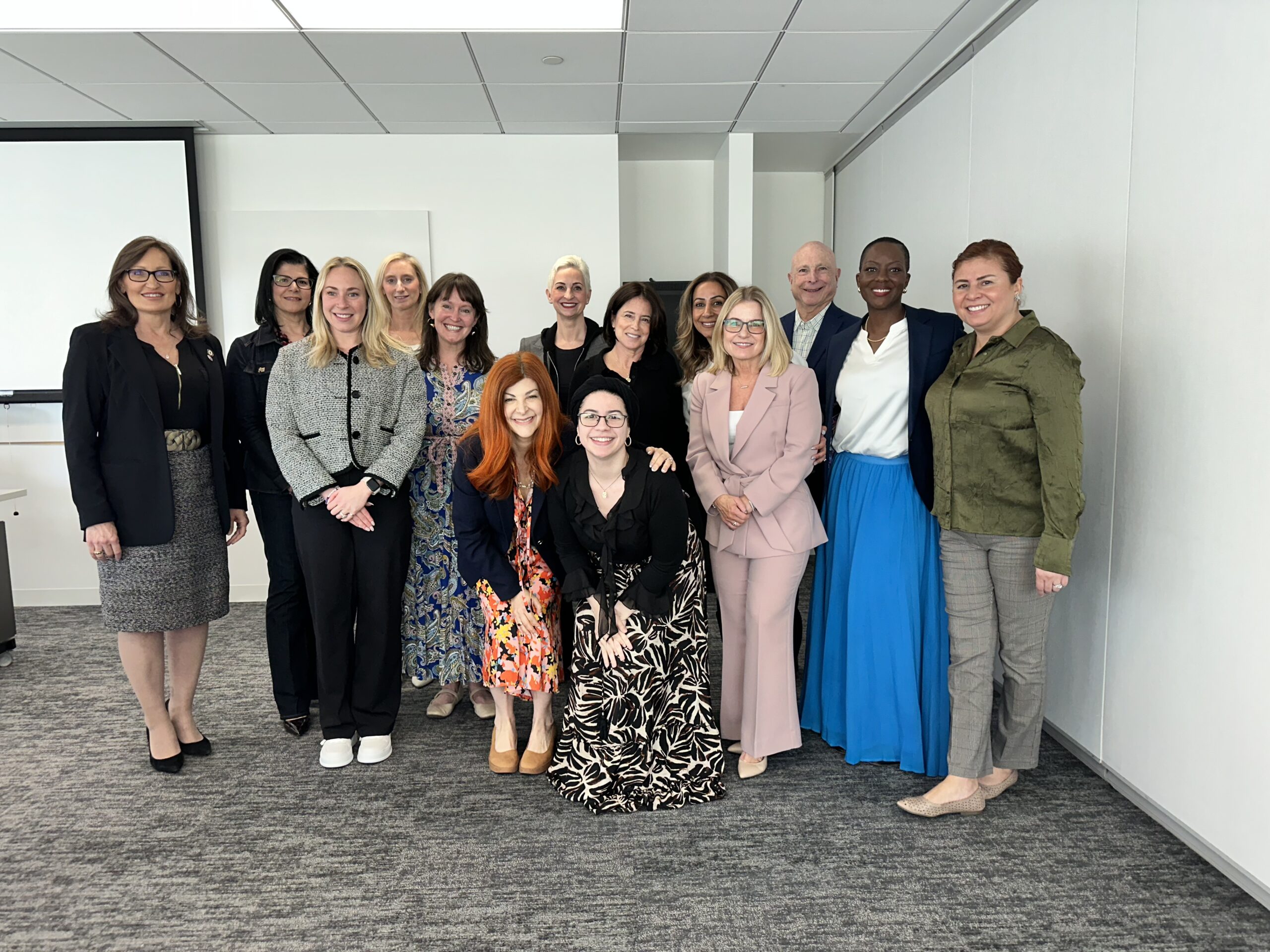
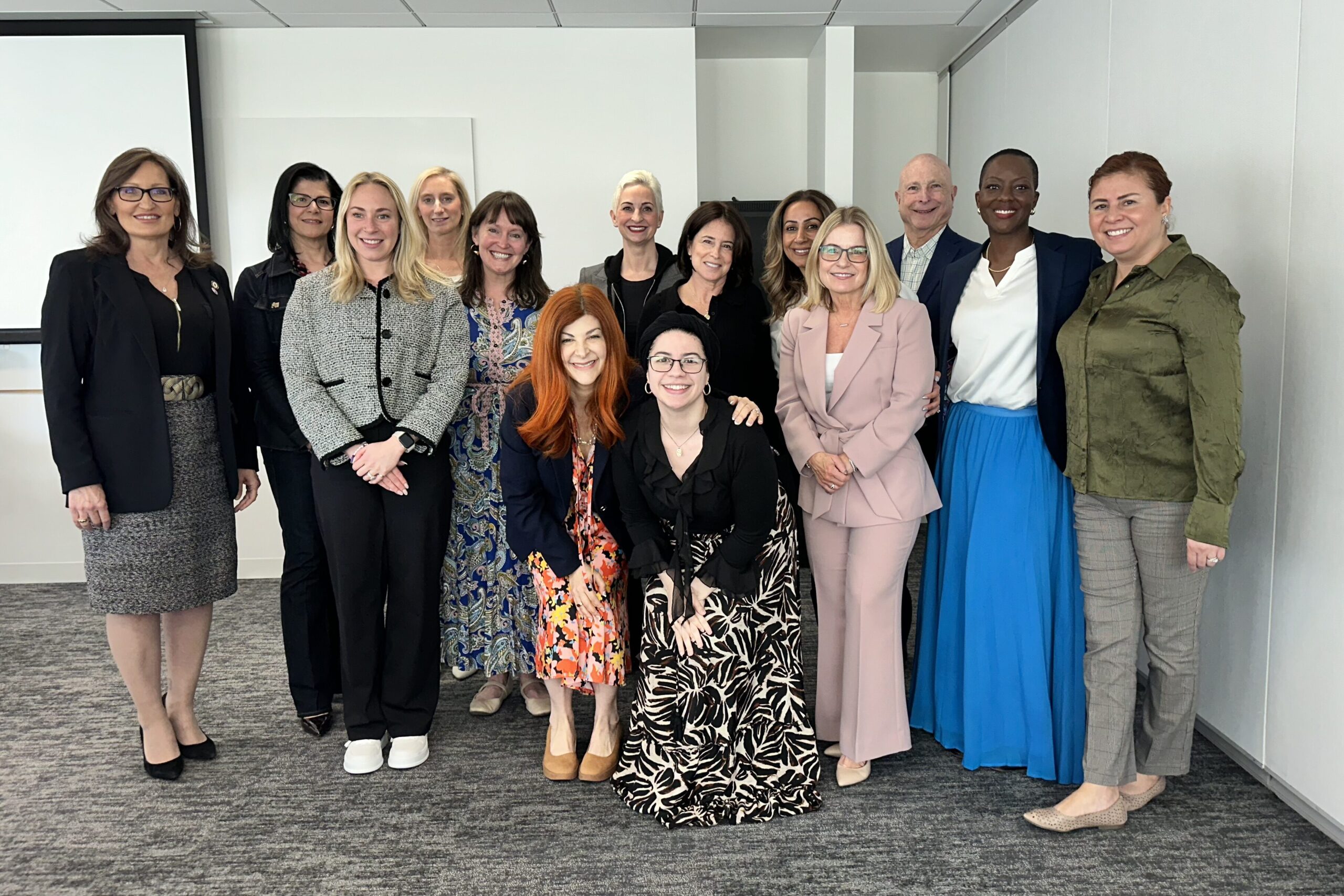
- Boston Roundtable
-
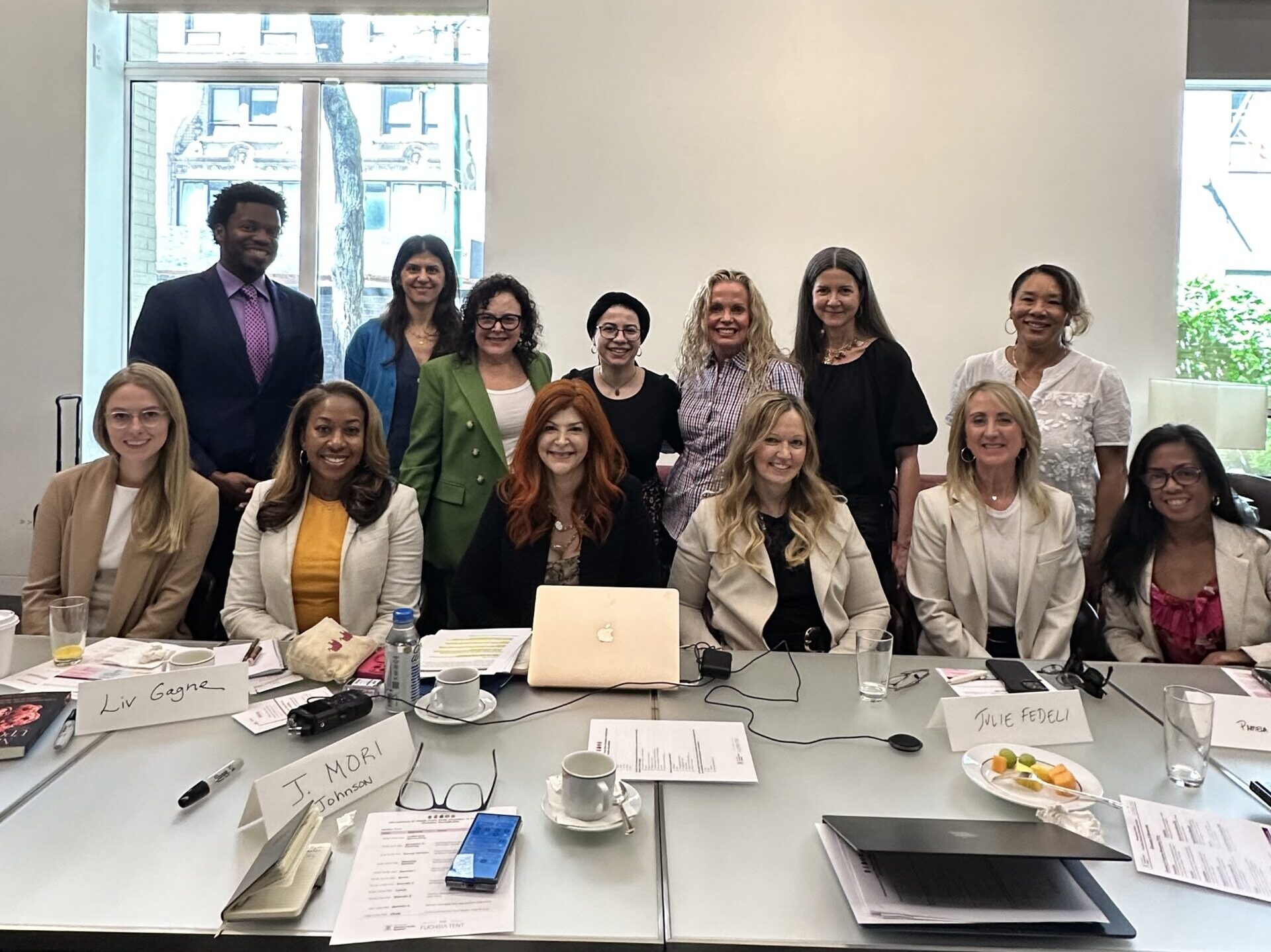
- Chicago Roundtable
-
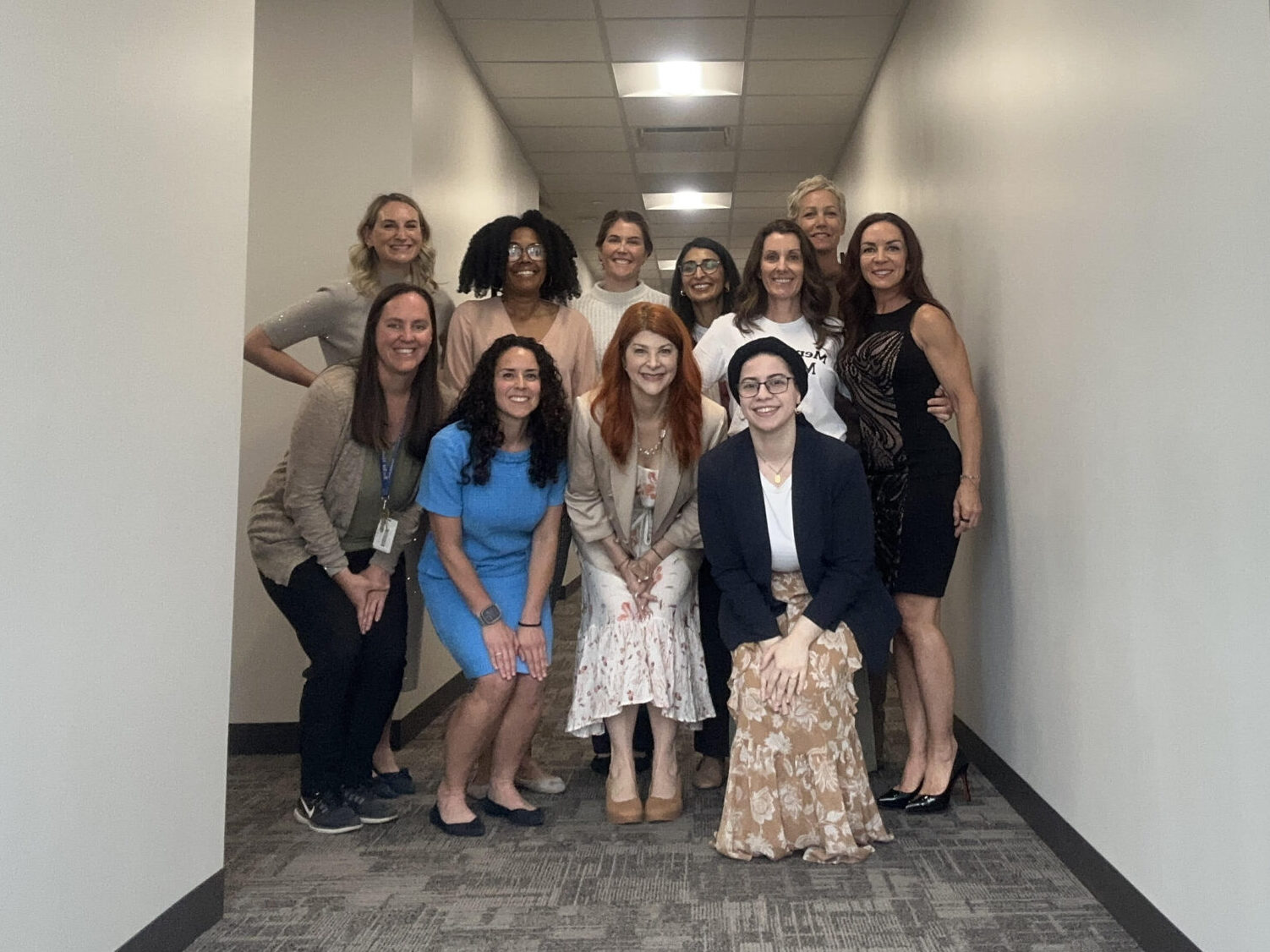
- Houston Roundtable
-
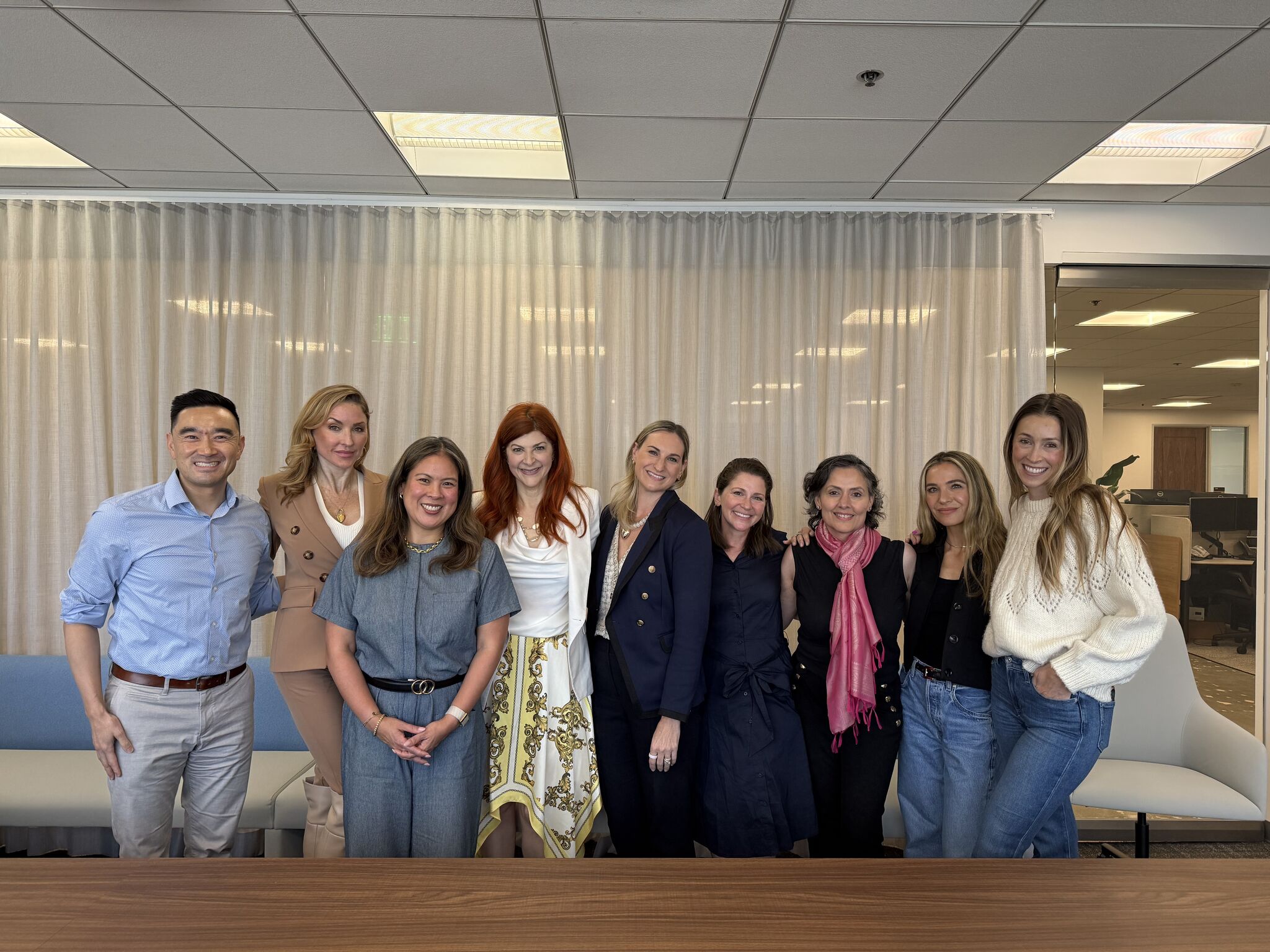
- Los Angeles Roundtable
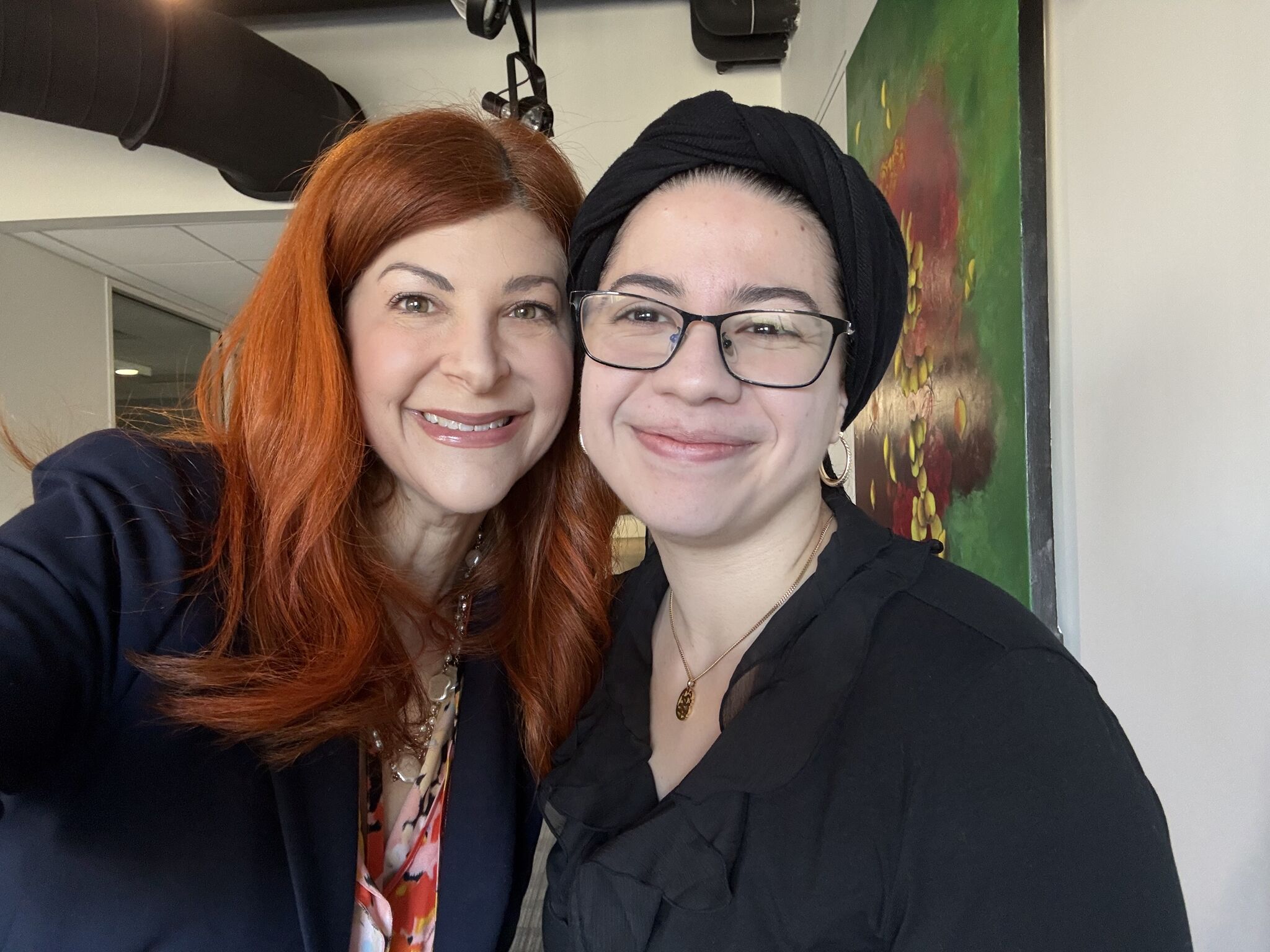
Study Co Investigators Kacy Fleming (The Fuchsia Tent) and Syreen Goulmamine (SWHR)
These cities were chosen deliberately. Each represents a different cultural, political, and demographic context. The composition of the rooms was equally intentional. Participants spanned late twenties through sixties and beyond, and included C-suite executives and individual contributors, clinicians and HR leaders, policy advocates and frontline workers, women actively in the menopausal transition and women who have not yet experienced it. The conversations included racially and ethnically diverse voices, with representation across White, Black or African American, Asian, Hispanic or Latino, and Middle Eastern or North African communities.
SWHR and The Fuchsia Tent also worked to recruit men throughout. Having men at the table is not a gesture. Menopause at work is a systems challenge that affects everyone, and the conversation does not move forward without all of us.
Participants held decision-making authority over benefits design, health and well-being programs, workplace policy, state and local government, and people leadership. Organizations represented at these roundtables ranged from firms with fewer than fifteen employees to enterprises with more than five thousand, spanning health care, education, technology, professional services, government, entertainment, and beyond.
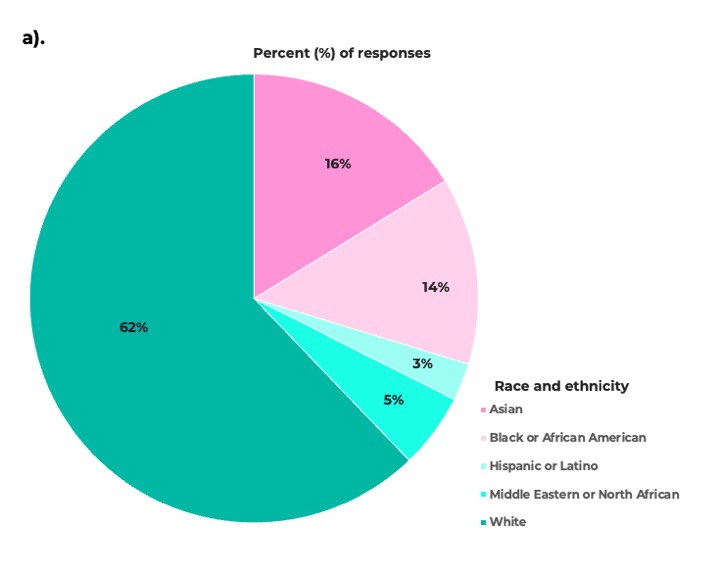
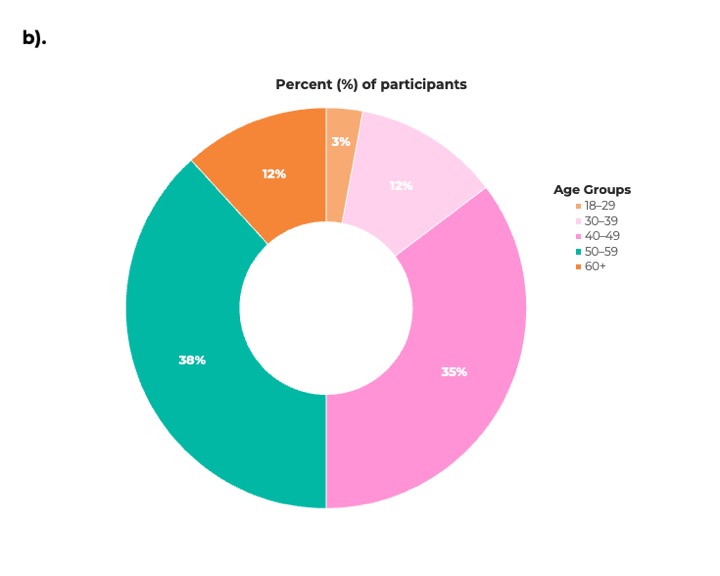
Figure 1. Demographic details of roundtable participants that elected to share (N = 36)
-
- a). Percentage of participants by age
-
- b). percentage of responses by race & ethnicity,
-
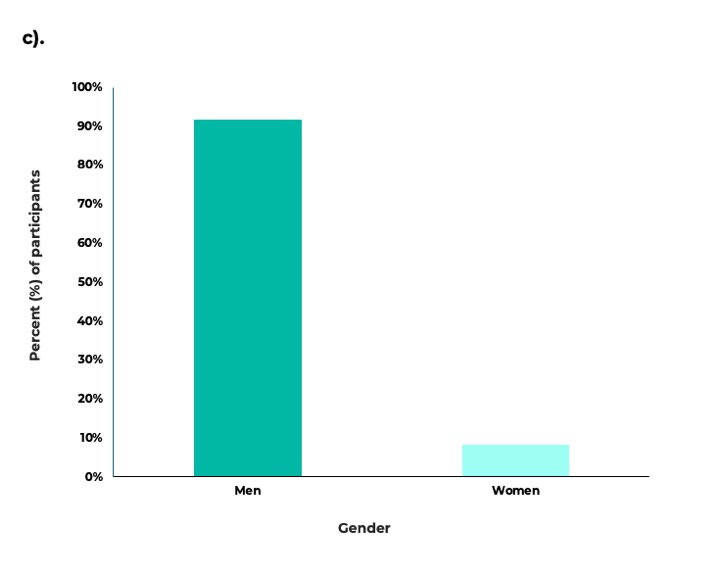
- c). percentage of participants by gender
-
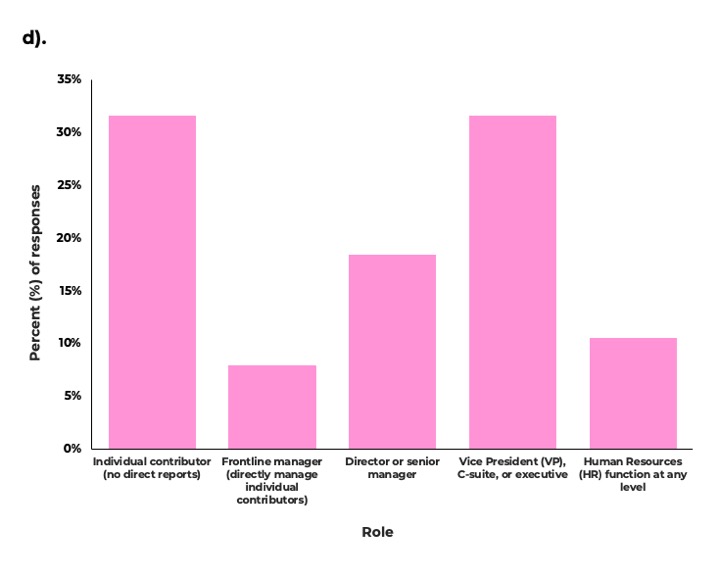
- d). percentage of responses by role
-
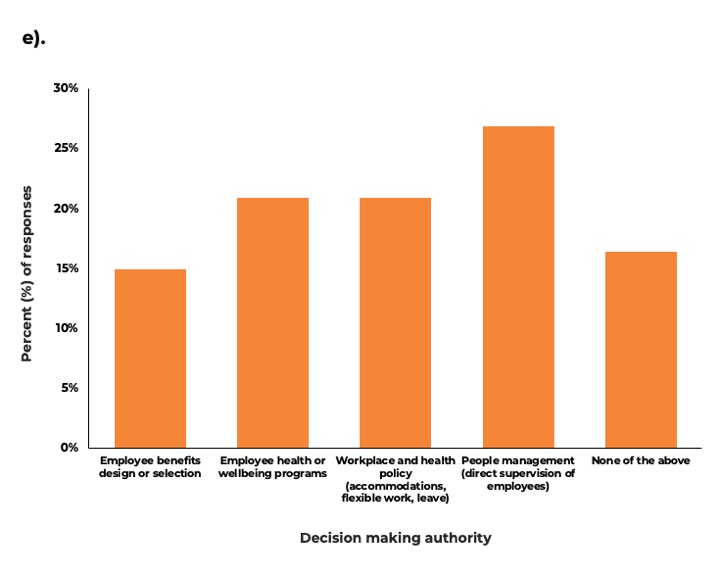
- e). percentage of responses by decision making authority.
Conversations returned to a consistent set of pressure points: the gap between awareness and action in workplace benefits, the language and terminology organizations use (and avoid) when talking about menopause, the fragmentation of clinical care, the realities facing frontline and deskless workers, and the uneven state of menopause-related policy at the state and federal level. The full thematic roundtable analysis will be published alongside the research report in the fall.
As part of the roundtables, SWHR and The Fuchsia Tent created a Menopause 101 Fact Sheet.
What Comes Next
The survey and the roundtables are two halves of the same study. The qualitative conversations test, contextualize, and pressure-check what the quantitative data shows, and the data gives the conversations a base of evidence rather than anecdote.
The goal of this work is not to document the problem one more time. The problem is documented. The goal is to give employers, policymakers, and health care leaders the evidence, guidance, and tools to make an appreciable difference for everyone navigating midlife at work in the United States.
SWHR is proud to partner with The Fuchsia Tent on this initiative. For more than 35 years, SWHR has worked to ensure that women’s health is prioritized in every conversation that shapes care, policy, and the workplace. Menopause is a universal biological transition experienced by more than half the population, and it remains largely invisible in the systems that govern how we work and how we access care. This study is one step toward changing that.
We are grateful to the partners who made the roundtables possible:
- Dr. Piva Darlene, William James College
- Dr. Gracia Wynne Duncan, Texas Children’s Hospital Pavilion for Women
- Julie Fedeli and Pamela DeRose, Midlife Upgrade
- Hannah Linkenhoker, William Morris Endeavor (WME) Agency