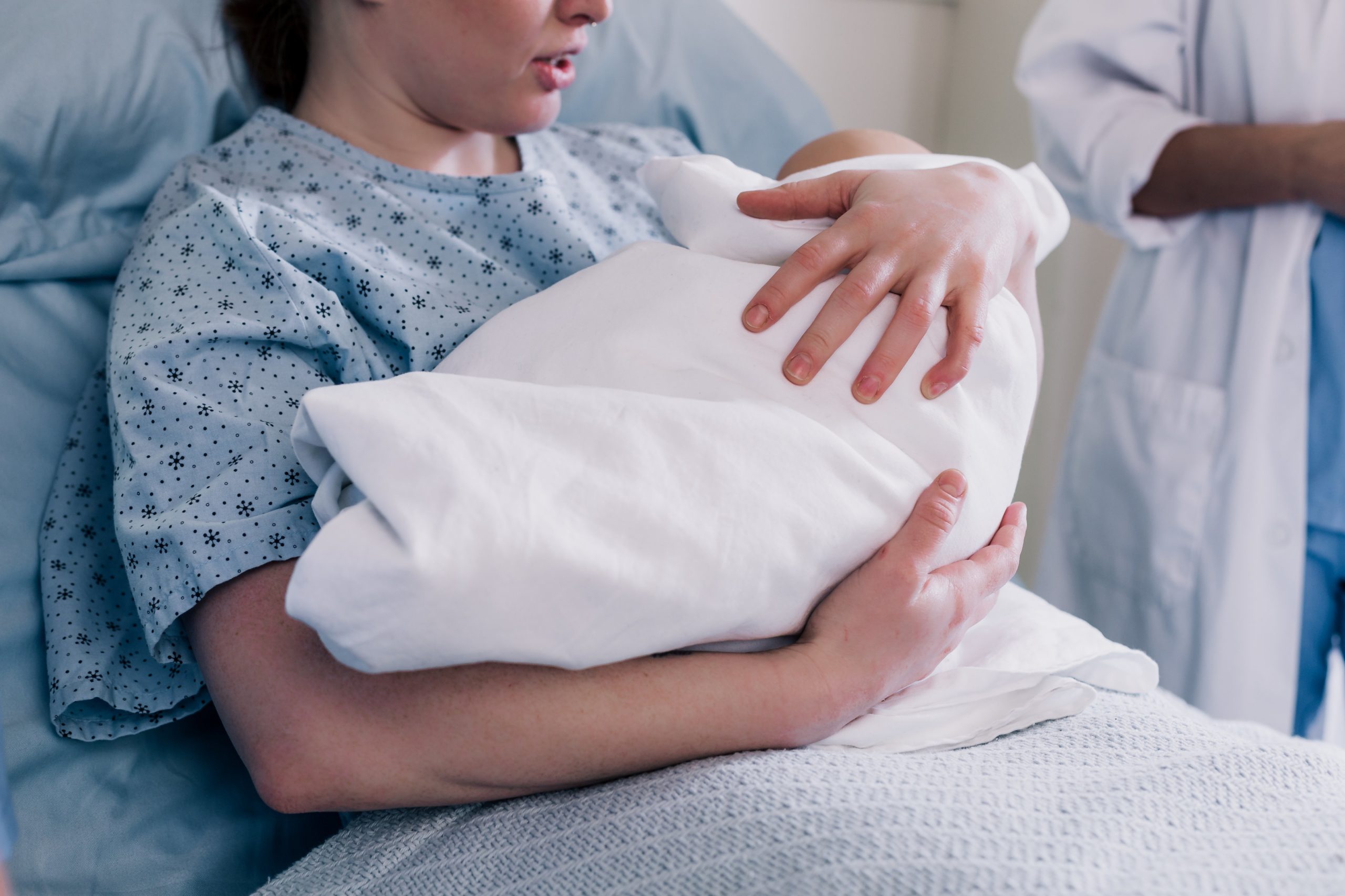
 9.9.22 | Genetic Screening
Considering the Patient Experience in Noninvasive Prenatal Screening
Prenatal genetic screening can be a helpful tool for future parents to make informed decisions about their health care. SWHR spoke with two experts at the National Society of Genetic Counselors (NSGC) about genetic screening.
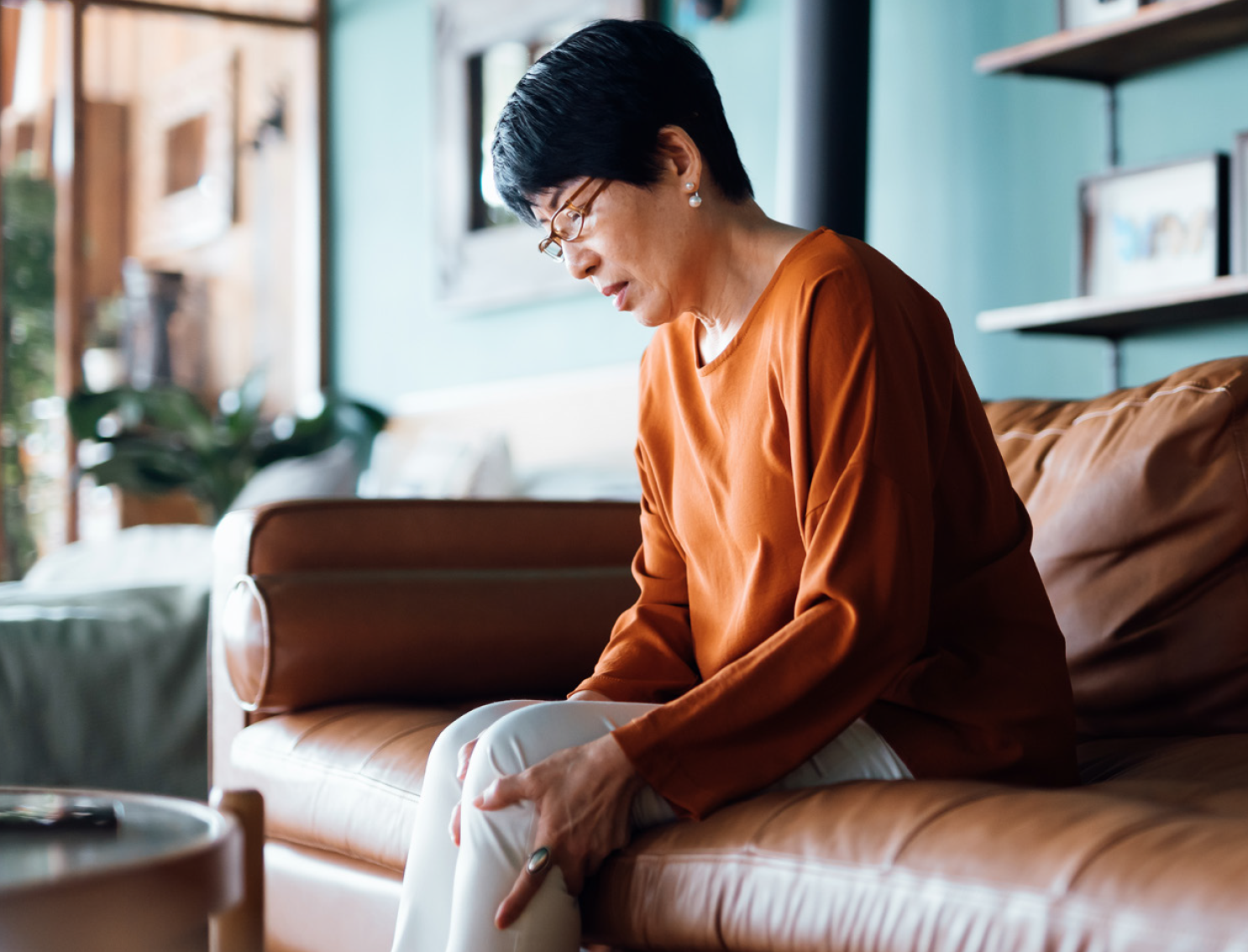 8.31.22 | Bone Health
SWHR Releases First Issue-Specific Policy Agenda, With a Focus on Bone Health
The Bone Health Policy Agenda is a call action that builds upon earlier women's bone health policy priorities from SWHR and aims to improve bone health outcomes for women.
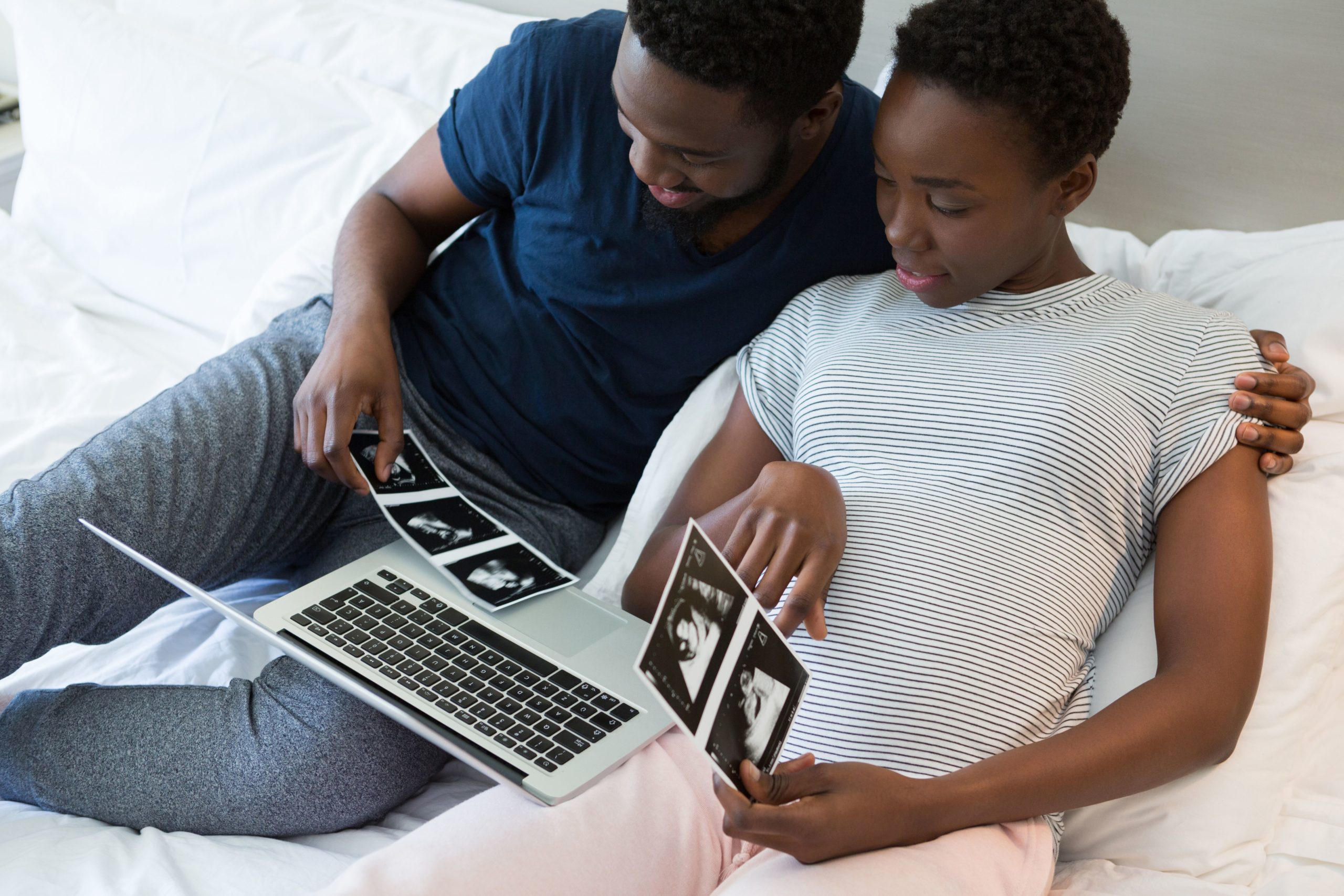 8.31.22 | Genetic Screening
NIPS Resource Guide Helps Prepare Mothers Throughout Their Pregnancy Journeys
The Noninvasive Prenatal Screening (NIPS) Resource Guide for Women was created to help pregnant individuals navigate conversations with providers and professionals about their prenatal screening options.
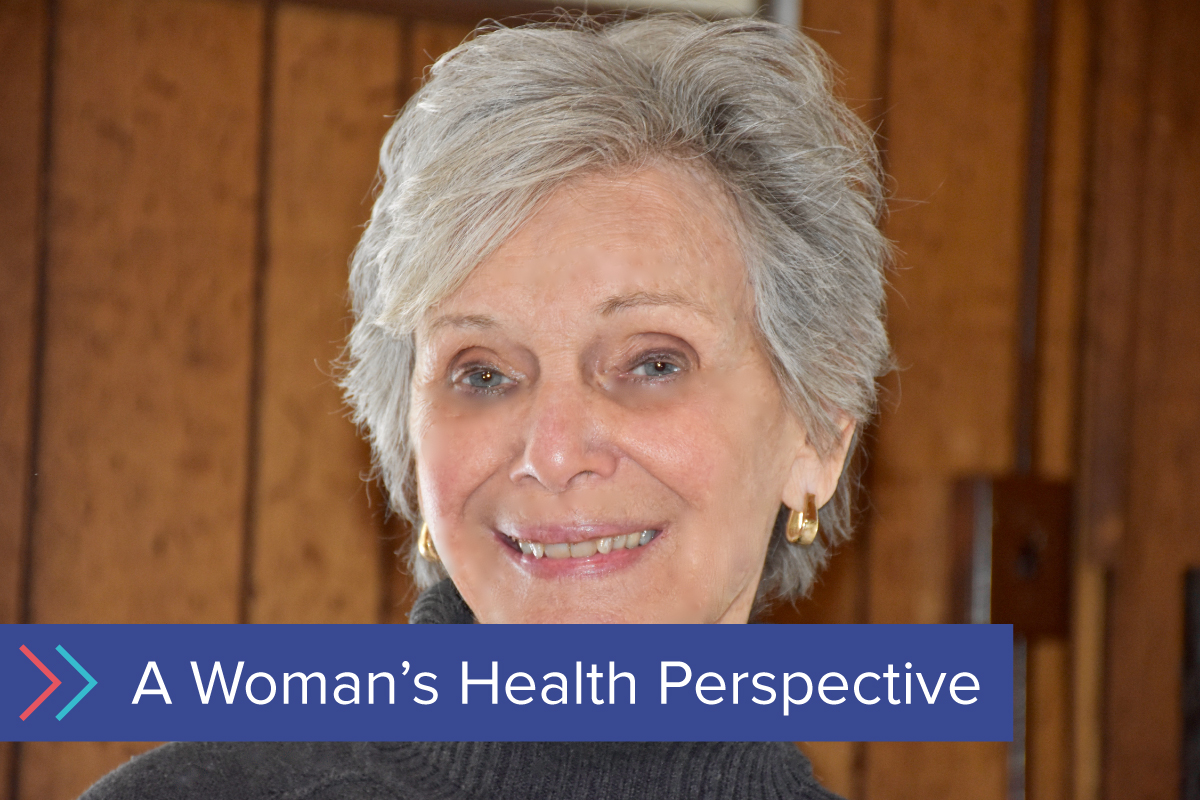 8.29.22 | Women's Health Perspective
Marcia Lawrence Soltes’ Menopause Journey
On an August afternoon, at the age of 49, without any warning, I became engulfed in a maelstrom of insanity that spanned 17 days and nearly destroyed me.
 8.25.22 | Research and Clinical Trials
NASEM Report Calls for Improved Diversity in Research
The NASEM report on improving representation in clinical trials outlines the high cost of care and poor patient outcomes that are a consequence of not increasing diversity in research.
 8.25.22 | Women's Health Perspective
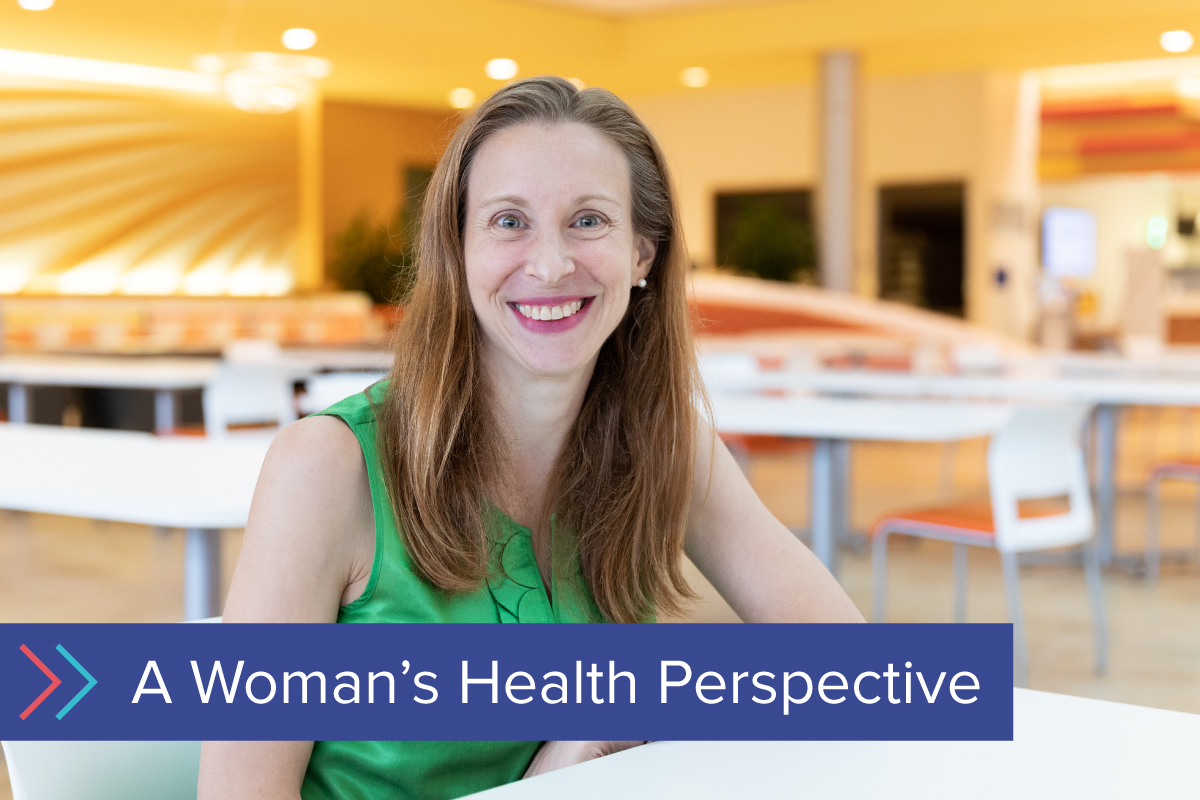
Amy Kelly’s Fertility Journey
Just before my 35th birthday, I scheduled egg retrievals as an insurance policy, sure that I would find someone eventually.
 8.25.22 | Women's Health Perspective
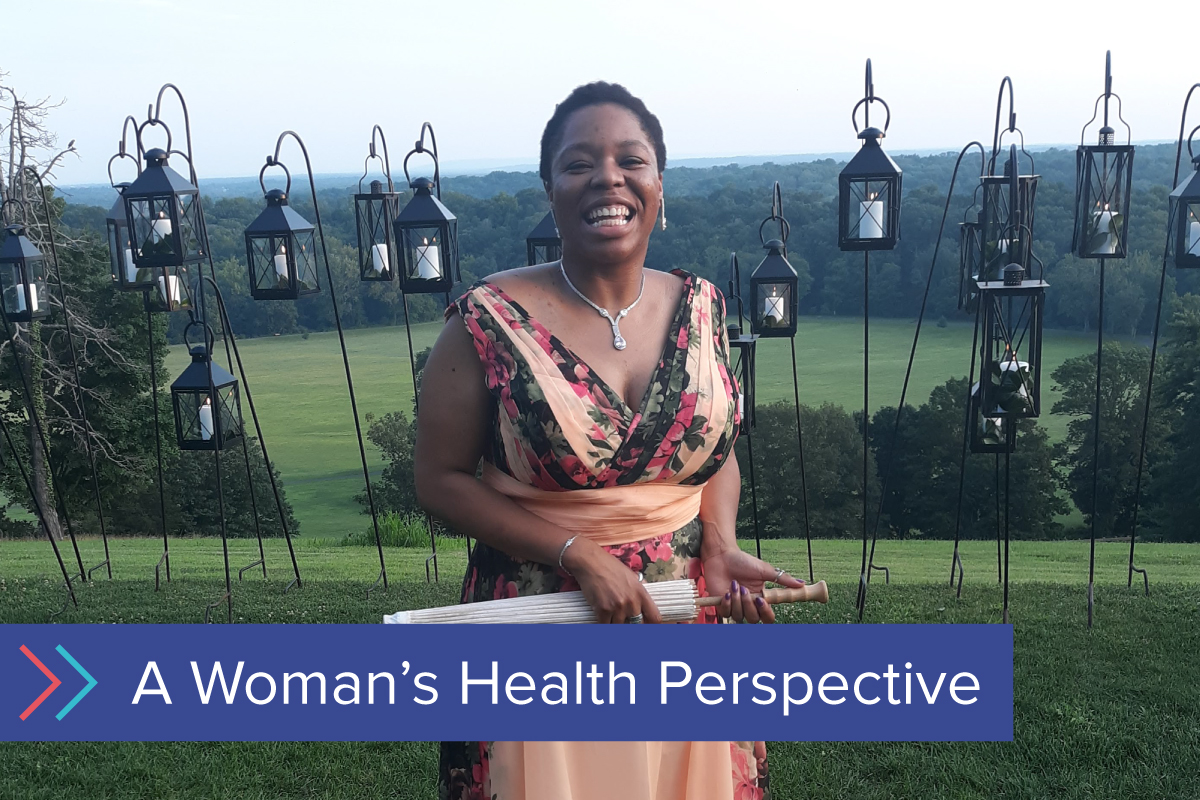
Salewa Akintilo’s Endometriosis and Self-Advocacy Journey
I’m a 29-year-old living with three “invisible illnesses:” Crohn’s disease, polycystic ovary syndrome (PCOS), and endometriosis.
 8.25.22 | Women's Health Perspective
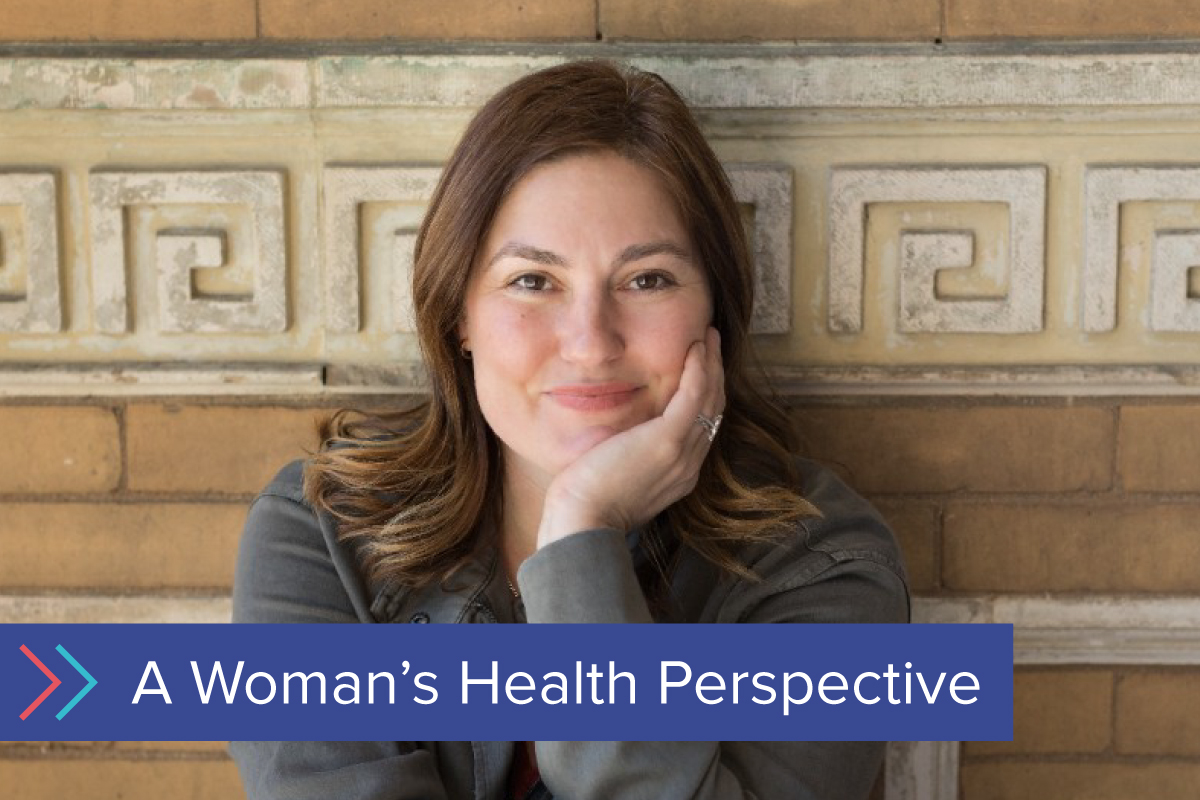
Amanda Gorman’s Breastfeeding Journey
Like most new moms, I didn’t expect to have problems breastfeeding, especially since my husband and I are primary care providers.
 8.25.22 | Women's Health Perspective
Deborah’s Menopause Journey
After a few years, I finally have the whole combination of different supportive medications, hormones, and supplements in an ideal place and feel fine.