


Inclusive Motherhood: Empowering Maternal Health for All Women
- This event has passed.
February 3, 2025
Despite advances in medical care, the United States remains one of the leading high-income countries for maternal morbidity and mortality, particularly for pregnant women and infants from racial and ethnic minority groups. According to the CDC, the pregnancy-related mortality ratio was 24.9 per 100,000 live births, representing approximately 904 deaths. Of these deaths, more than 80% were preventable and Black women are 3-4 times more likely to die a pregnancy-related death than white women. Maternal health issues span beyond maternal mortality to include maternal morbidity, birth risks, and infant outcomes. Too many who women who have a “successful” pregnancy and delivery experience significant adverse health consequences.
African American, American Indian and Alaska Native, and Native Hawaiian and other Pacific Islander women have higher rates of preterm birth and low birthweight and are more likely to receive delayed or no pregnancy-related care. Disparities that persist across maternal and infant health are driven by multifactorial influences, including health care coverage and access, systemic racism, discrimination, and income.
Despite the current state of maternal health, there are opportunities to identify, expand, and promote solutions to this public health crisis. Strategies must aim to reduce disease and death among mothers and infants, understand how non-pregnancy conditions affect short and long-term health outcomes, and address health disparities across diverse populations. Improving maternal and infant health is key to preventing illness and death and enhancing overall population health.
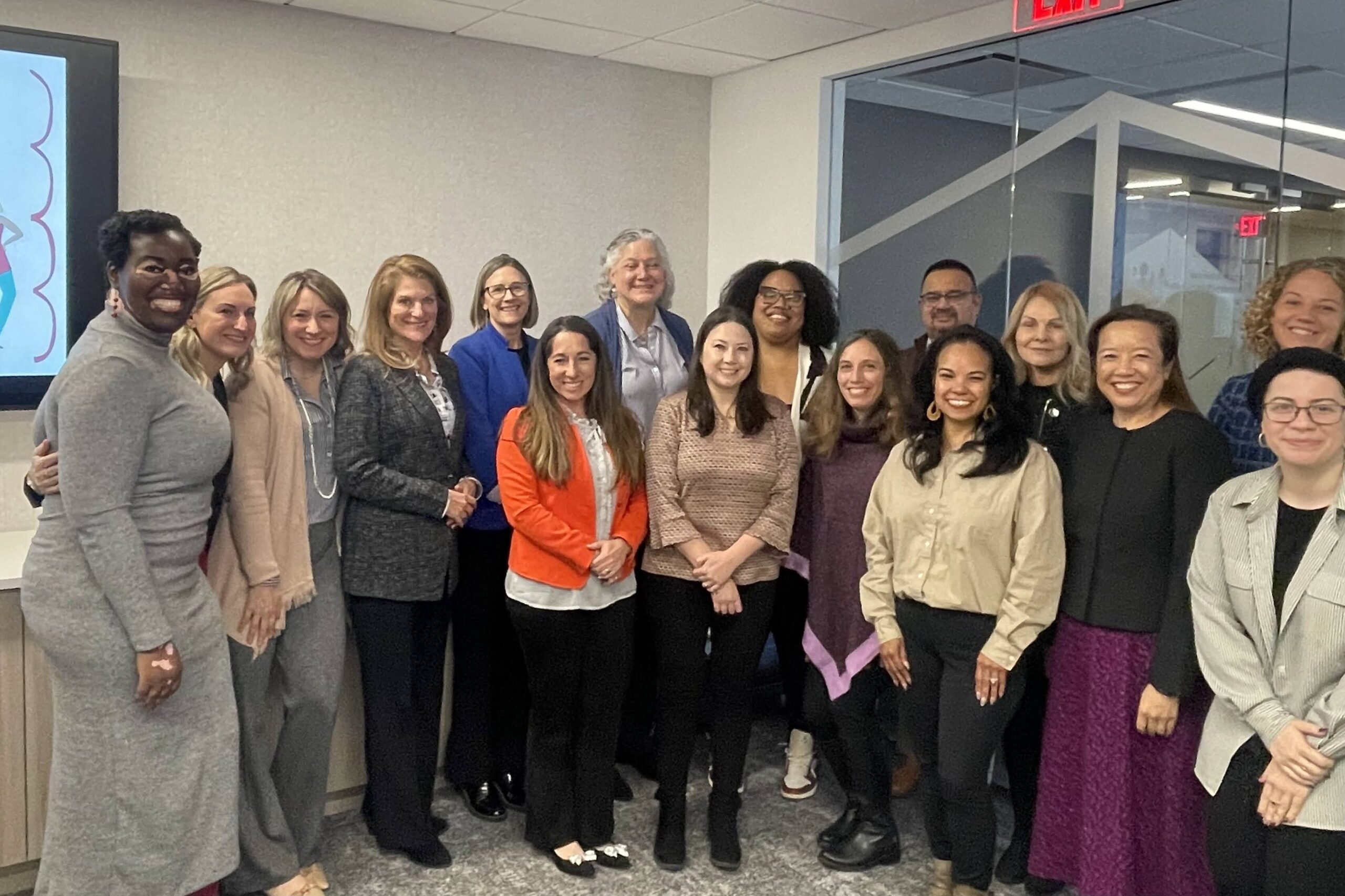
SWHR convened an interdisciplinary Maternal Health Working Group of health care providers, researchers, patient advocates, and health care policy leaders for a closed convening in February 2025. During the convening, the Working Group discussed maternal health disparities with an emphasis on empowering pregnant women with the knowledge, tools, and strategies to engage in care that elevates their unique needs and values.
This is an SWHR Event.
Objectives
The objectives of the roundtable are to:
- Explore strategies to reduce maternal health disparities for women from marginalized groups
- Identify opportunities for patient empowerment through patient-provider interactions, shared decision-making, and social support
- Promote an inclusive approach to pregnancy and childbirth that incorporates social determinants of maternal health, personal and whole-body health, and patient-centered policy solutions
- Develop materials to expand education, raise awareness, and promote health equity for pregnant patients and their families, health care providers, and policy stakeholders
Working Group Participants
Kelly M. Bower, PhD, MSN/MPH, RN, Associate Professor, Johns Hopkins School of Nursing
Andrea Mechanick Braverman, PhD, Clinical Professor of OBGYN and Clinical Professor of Psychiatry and Behavioral Medicine, Thomas Jefferson University
Rachel Blankstein Breman, PhD, MPH, RN, FAWHONN, Assistant Professor, University of Maryland School of Nursing
Andria Cornell, MSPH, Associate Director, Women’s & Infant Health, AMCHP
Natalie D. Hernandez-Green, PhD, MPH, Executive Director, Center for Maternal Health Equity
Jenifer LaNore, LCSW-C, PMH-C, Perinatal Psychotherapist; Owner, Gracefully Balanced Perinatal Counseling, LLC
Alicia Lee, MHA, Director, MCH Collective Impact, March of Dimes, Inc
Catherine Limperopoulos, PhD, Director, Center for Prenatal, Neonatal and Maternal Health Research, Children’s National Hospital
Ebony Marcelle, DNP CNM, Founder, Midwifery Melanated LLC
Rose Molina, MD, MPH, Associate Professor of Obstetrics, Gynecology & Reproductive Biology, Beth Israel Deaconess Medical Center, Harvard Medical School
Marianna Raia, MS, CGC, Director of Programs, Expecting Health
Hyagriv N. Simhan, MD, MS, Executive Vice Chair, Obstetrical Services, UPMC
Eleni Z. Tsigas, CEO, Preeclampsia Foundation
Sponsor
Support for this educational program has been provided by Johnson & Johnson. SWHR maintains independence and editorial control over program development, content, and work products.