

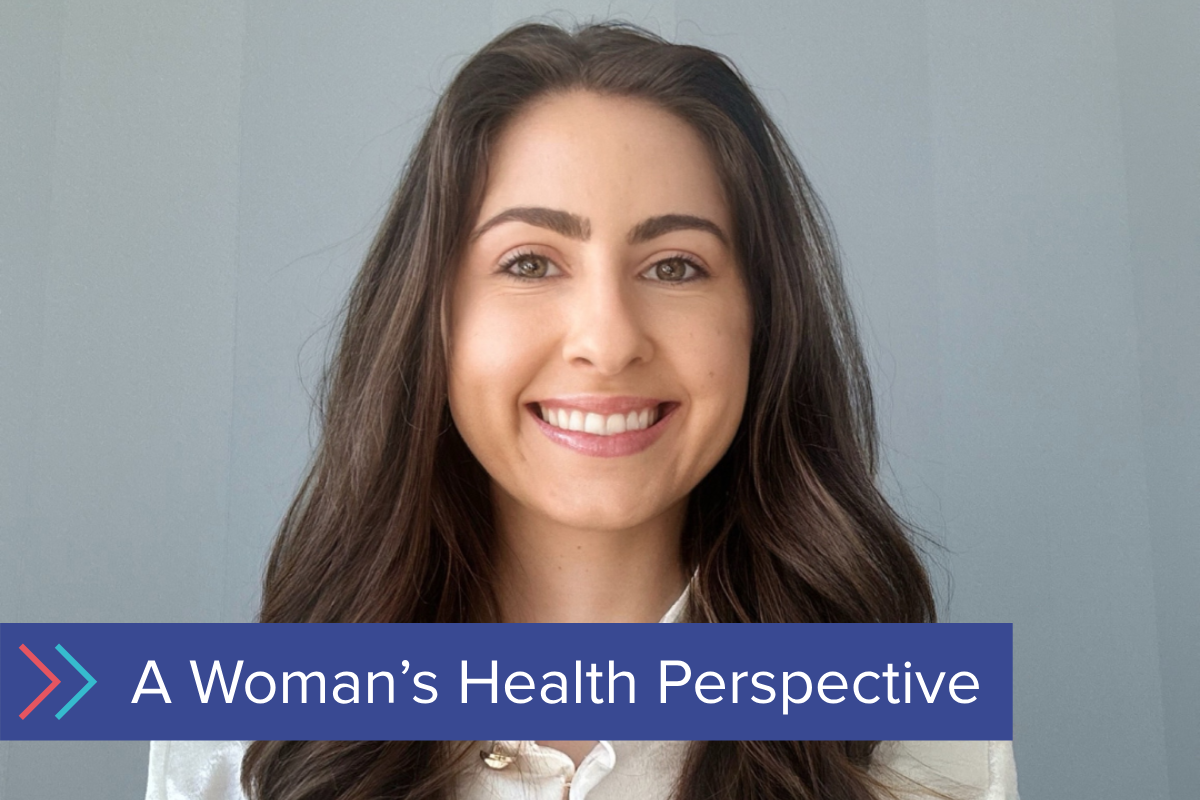
This is a firsthand account submitted through SWHR’s Share Your Story portal, as part of SWHR’s Women’s Health Perspective series.
For over a decade, I lived with unrelenting pelvic pain, fatigue, and digestive issues that were repeatedly misdiagnosed as irritable bowel syndrome (IBS) and anxiety. I saw gynecologists, gastroenterologists, primary care doctors, endocrinologists, and holistic practitioners—yet none could explain why I was in so much pain. Each appointment left me feeling more dismissed and disheartened.
Ironically, the same doctors who overlooked my symptoms were also hesitant to operate, fearing complications. In hindsight, that hesitation saved me from undergoing ablation—although a minimally invasive surgical procedure, it burns instead of cutting out endometriosis lesions and can result in insufficient relief and recurring pain .
It wasn’t until I found a true endometriosis specialist that my life began to change. I underwent a six-hour excision surgery that revealed the extent of my disease: 73 lesions were found on my bladder, uterus, colon, rectum, and appendix (which was removed), along with two large endometriomas—one bigger than my uterus. The validation was overwhelming. For the first time, I was not only believed but treated with the precision and care I had so long deserved.
I often think about how different my outcome would have been if my first surgery had been with someone who wasn’t an excision specialist. Would they have ablated the visible lesions and missed the rest? Would they have recognized deep infiltrating endometriosis? Would I be worse off today?
Unfortunately, most women don’t have the chance I did. Despite excision often being a preferred procedure for endometriosis treatment, it can be inaccessible due to cost. In 2024, excision surgery still lacked a dedicated insurance code, leaving patients to pay out-of-pocket or rely on in-network providers who may not have the training to offer this level of care. Many patients undergo repeated ablation surgeries that fail to address the root of their pain.
This injustice lit a fire in me. I founded Endo Excision for All, a nonprofit dedicated to advocating for insurance coverage of excision surgery and expanding access to specialists. Our health care system should not force women into financial hardship just to receive the standard of care. My mission is to ensure that no one has to go through what I did—searching for answers in a system that too often minimizes or ignores women’s pain.
Today, my health is significantly improved, though recovery from endometriosis is never linear. I still have flare-ups, but they’re manageable. More importantly, I have the knowledge, support, and confidence to advocate for myself—and now, for others.
To anyone reading this who is still searching for answers: trust your body. You are not overreacting. Keep pushing until you find a provider who listens, investigates thoroughly, and respects your experience. Do not settle for care that leaves you in pain.
Endometriosis is real. Your pain is real. And you deserve real treatment.
The Society for Women’s Health Research (SWHR) played a meaningful, if indirect, role in my endometriosis journey by helping shift the broader landscape of women’s health care. While I did not initially turn to SWHR materials during my years of misdiagnoses, learning about their advocacy work and patient toolkits in hindsight gave me a framework for understanding why I—and so many others—were dismissed for so long.
Versions of this story have previously appeared elsewhere, including on the Endo Excision for All blog and on SHE+.