

Heart disease remains the leading cause of death among women and men, but many people still think of heart disease as a men’s disease. Misconceptions about how heart disease symptoms and risks appear in women can contribute negatively to women’s health.
Sharing women’s heart health stories is an important step to expanding our understanding of heart health, making sure women know which symptoms to recognize and when to speak up about their hearts. The more women learn about the realities of heart disease and are able to share their experiences, the more empowered all women will be to take charge of their heart health.
The power of storytelling becomes even clearer when we look at people who are using their own experiences to be catalysts for change. This includes WomenHeart Champions The WomenHeart Champion program, run by WomenHeart, is a volunteer program that trains women with heart disease to serve as educators, advocates, and support for women living with heart disease.
The Society for Women’s Health Research (SWHR) has had the privilege of working closely with WomenHeart and its WomenHeart Champions over the years to elevate women’s heart health stories.
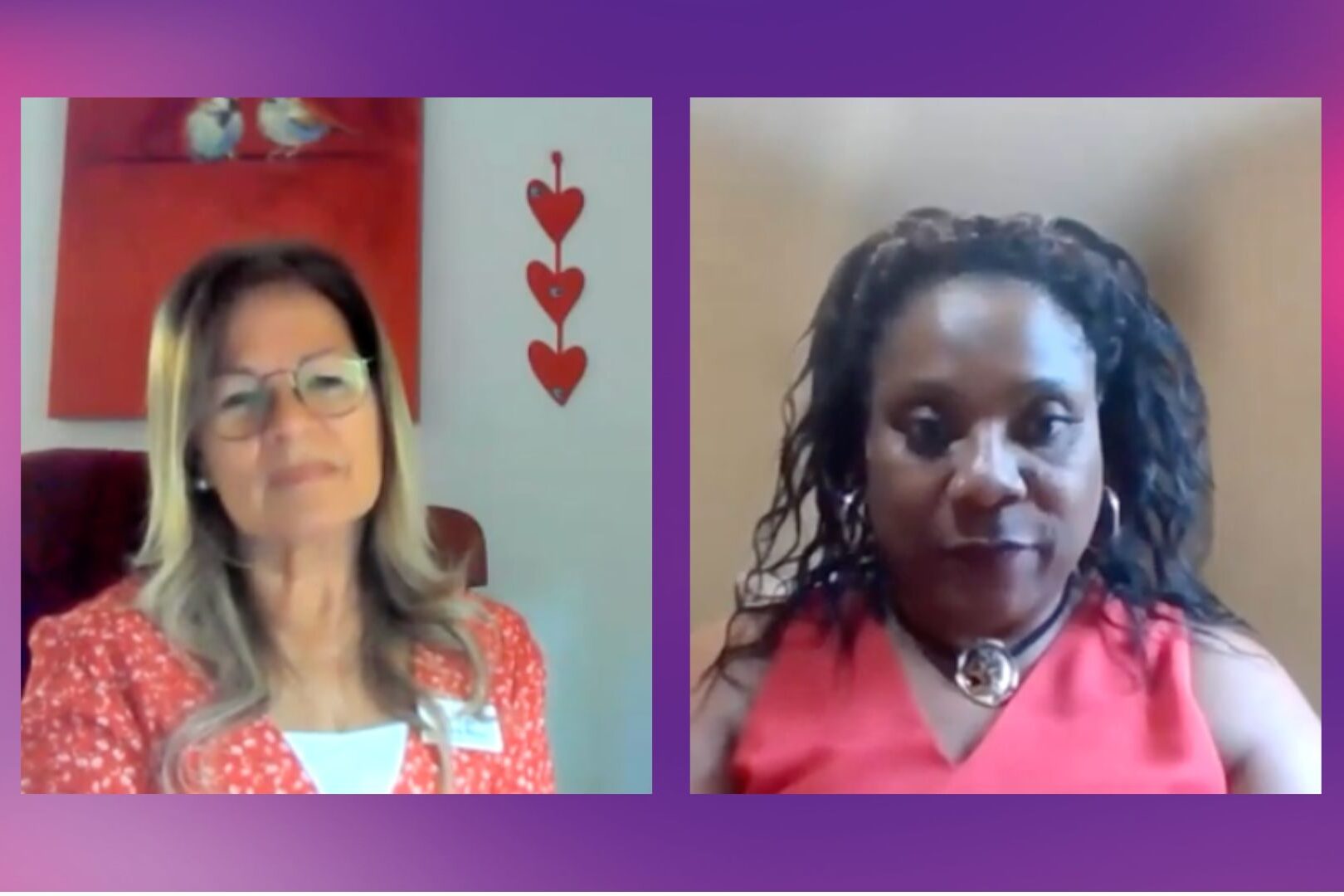
In this post, we are spotlighting two WomenHeart Champion stories, originally shared with SWHR in webinar format.
Lynette Bloise’s Story 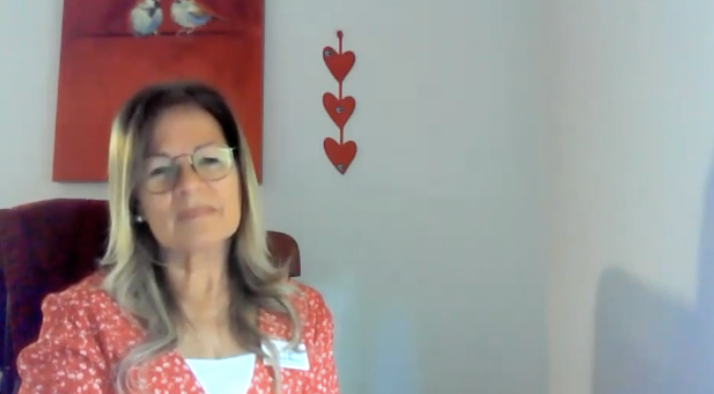
“Saying those words, that I have heart disease, did not come easy to me. Not because I am not an educated woman, but because during my journey nobody cared to tell me this was the case,” said Bloise.
Bloise’s heart journey started many years before she ever received a diagnosis, as early as when she was a teenager and would suffer from bouts of dizziness and passing out that was never fully explained by her doctors. She faced many years of questions, painful heart symptoms, and visits to the emergency room before she was diagnosed with atrial fibrillation (AFib), an irregular heartbeat or arrhythmia that can lead to blood clots, stroke, heart failure and other heart-related complications. Five million Americans are estimated to be living with AFib today, and more than 12 million people are projected to have it by 2030, according to the American Heart Association.
A throughline of Bloise’s story is the difficulty she faced in finding a health care provider who would truly listen to her and take her symptoms seriously. At nearly each turn in her journey, she faced providers who did not listen to her or even belittled her pain and experiences, making the path towards care even harder: “I wish had asked more questions from the beginning of my heart problems. I wish had talked with the superiors of doctors who did not treat me with respect.”
Rolanda Perkins’s Story 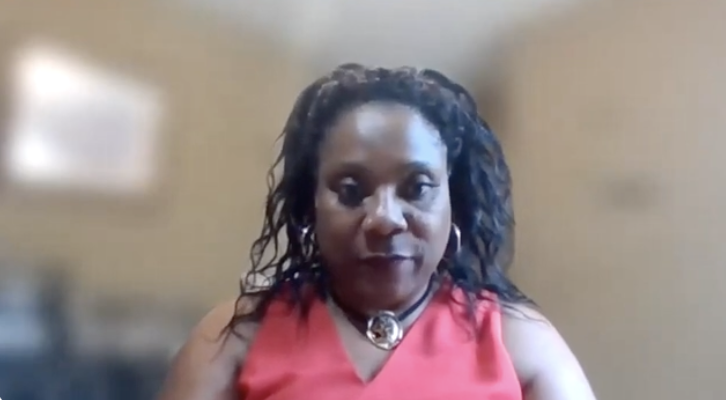
“When I was 39 years old, I had a heart attack, and it was right after my 39th birthday,” said Perkins.
Perkins’s first symptoms were a headache that she attributed to general stress, followed by chest pain that she thought was indigestion. When she finally visited the emergency room because her chest pain had not gone away, she was told she had suffered a heart attack. After her treatment in the emergency room, she was discharged with limited information and never received a referral for cardiac rehabilitation. “I did not know that I would become depressed and I would need a lot of support,” she said. Perkins sought out resources on her own and began to find power in sharing her personal story with groups like Toastmasters, the American Heart Association, and WomenHeart Champions. Today, she works to educate her community and continues educating herself on heart disease risks. “I was unsuspecting, and I don’t want anyone to have to go through what I went through,” Perkins said.
Listen to both WomenHeart Champions share their stories in the webinar recording, On My Heart: Women Share Personal Journeys with Heart Disease.
SWHR thanks WomenHeart for their longstanding partnership and collaboration as well as its myriad contributions to improving the lives of women with or at risk for heart disease.
Do you have a heart health story to share? Whether you are a patient or a caregiver for a family member, SWHR wants to hear your personal health journey! Your story is powerful – to researchers, health care providers, policymakers, and importantly, other women. Your story can make a difference and help educate and inform other women and health care decision makers.