

By Olivia Milne, Communications Intern
Clinical research is essential to understanding disease, guiding treatment strategies, refining diagnoses, and improving patient care. However, its value depends on whether studies are designed to reflect the populations they intend to serve. Women have long been underrepresented in clinical research due to regulatory, socioeconomic, and logistical barriers. This persistent exclusion has contributed to significant gaps in knowledge about women’s health and health outcomes.
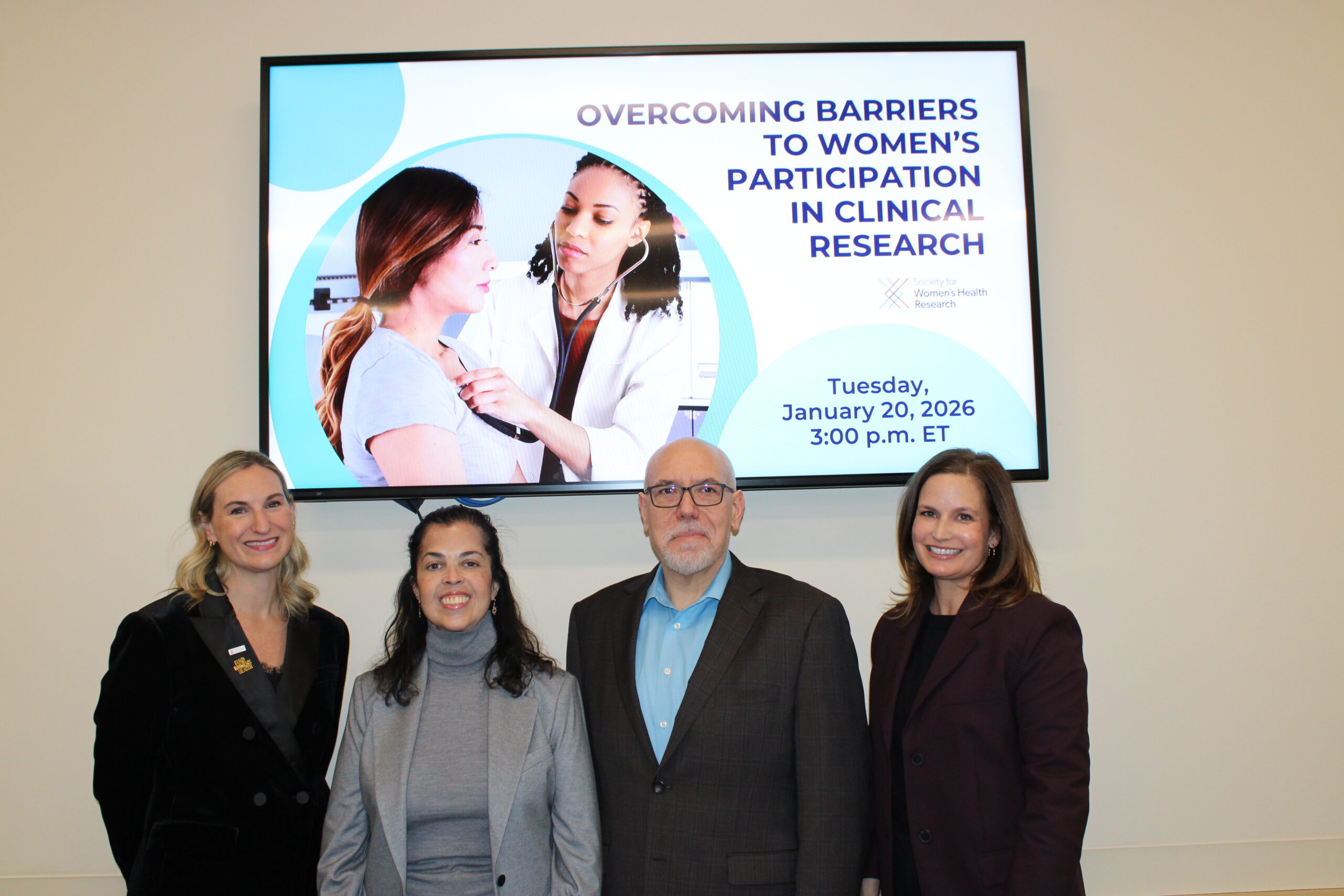
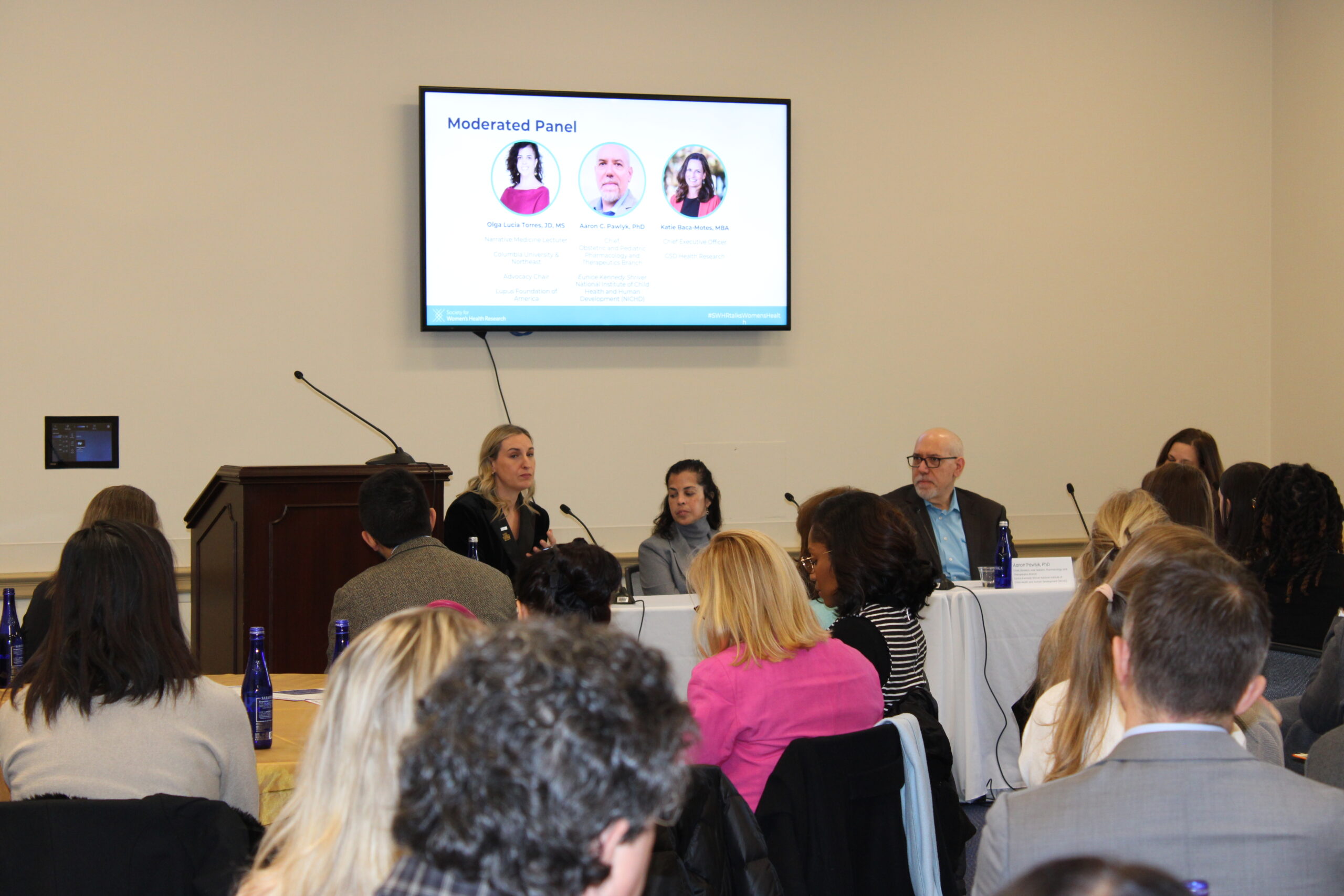
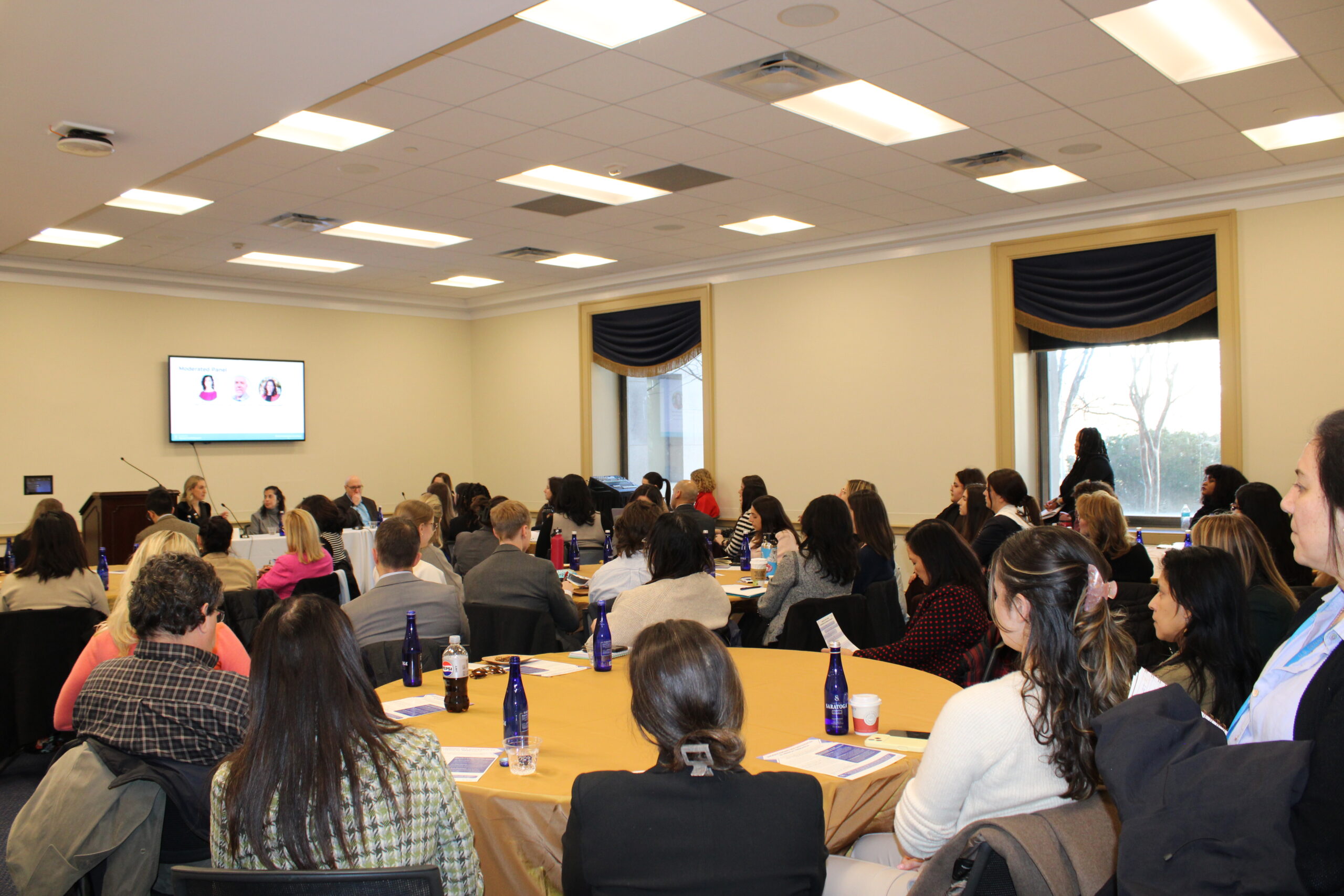
On January 20, 2026, the Society for Women’s Health Research (SWHR) convened a congressional briefing titled “Overcoming Barriers to Women’s Participation in Clinical Research.” Held in recognition of Women’s Health Research Day on January 25, the briefing fostered thoughtful discussion on the obstacles limiting women’s participation in clinical research and identified steps to address them.
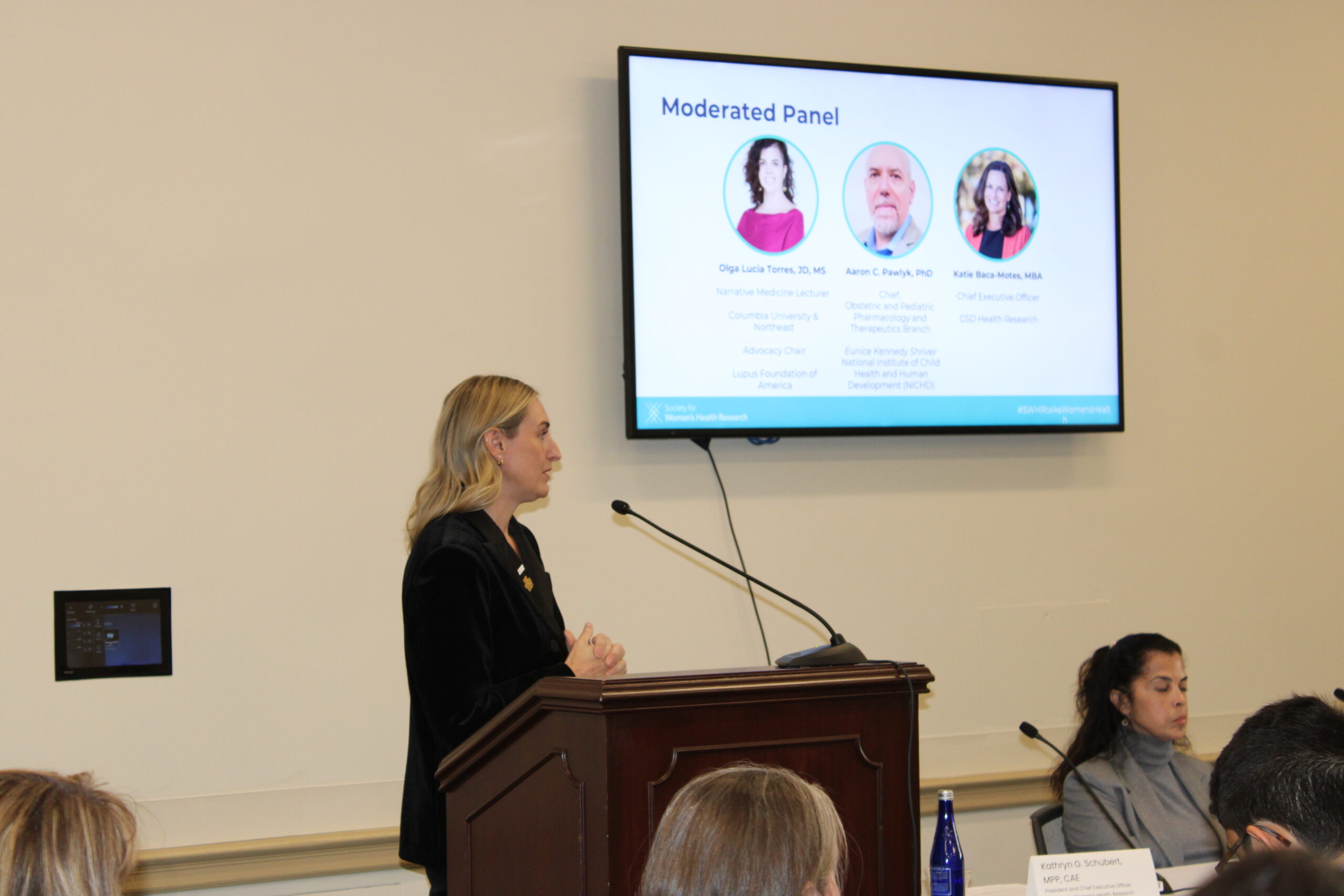
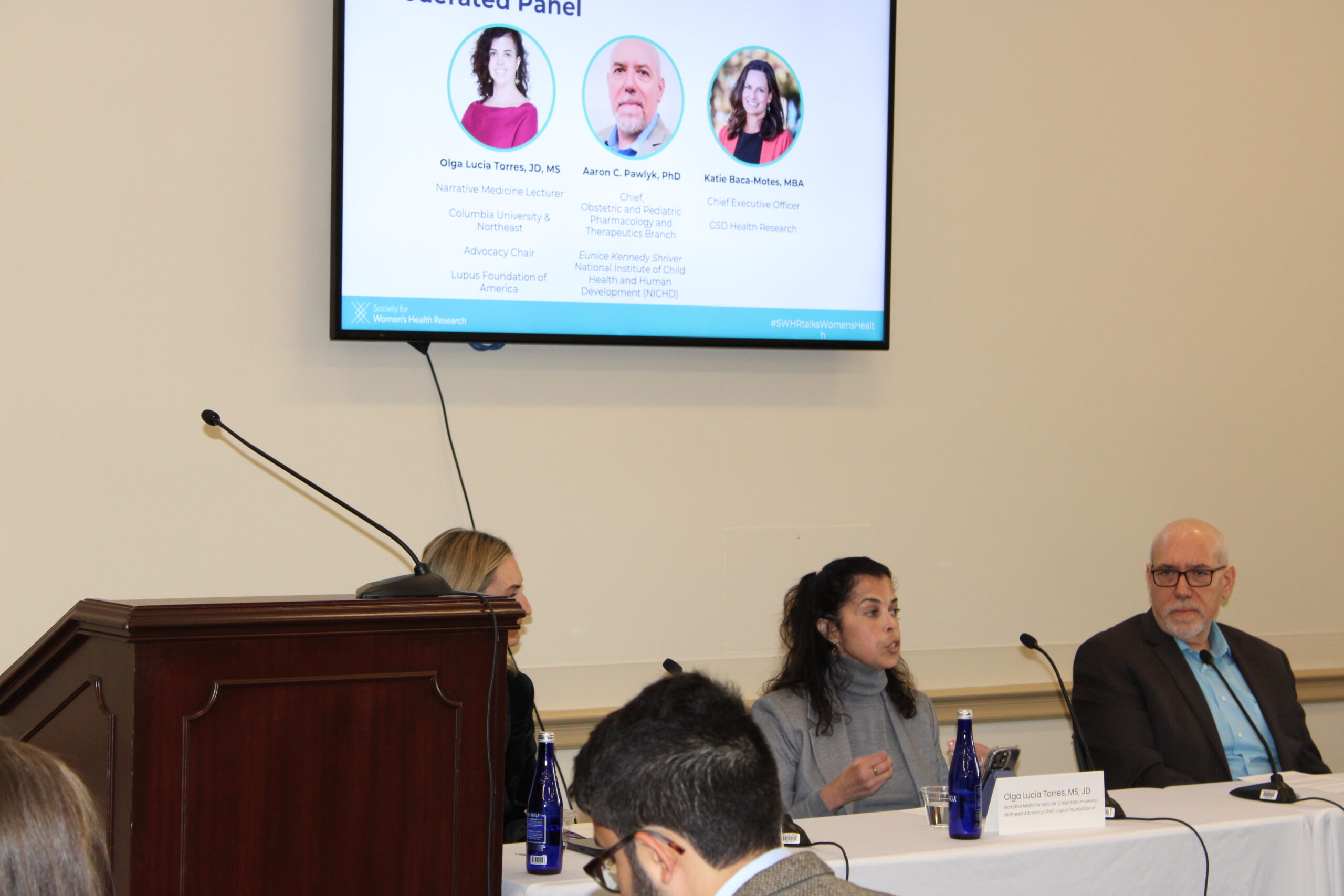
Olga Lucia Torres, MS, JD, Narrative Medicine Lecturer at Columbia University and Northeast Advocacy Chair for the Lupus Foundation of America opened the briefing by explaining the flawed structure of current clinical research practices and the barriers they present for women. According to Torres, both time constraints and rigid schedules in current clinical research structures make it difficult for women to participate. Torres noted that primary caregiving responsibilities for children, older adults, and family members often fall on women, making it difficult to commit to clinical research schedules.
Torres then drew on her lived experience as a woman with lupus navigating the health care system. Lupus, like many chronic illnesses, is often linked to additional autoimmune conditions, leaving patients to manage multiple challenges that can strain their time, finances, and access to care. Torres’ example illustrates how those who stand to benefit most from clinical research are frequently excluded from its design and conduct. She further emphasized that these barriers are exponentially intensified for women of color, noting that Black women living with lupus die, on average, approximately 13 years earlier than white women with the disease.
When asked about possible solutions, Torres answered, “flexibility.” “We need remote visits, lighter scheduling windows, and catch-up provisions instead of automatic exclusion.” She also emphasized the importance of co-designing research with affected populations. “We need to co-design, not consult,” Torres said. “Patients need to shape the study from day one.”
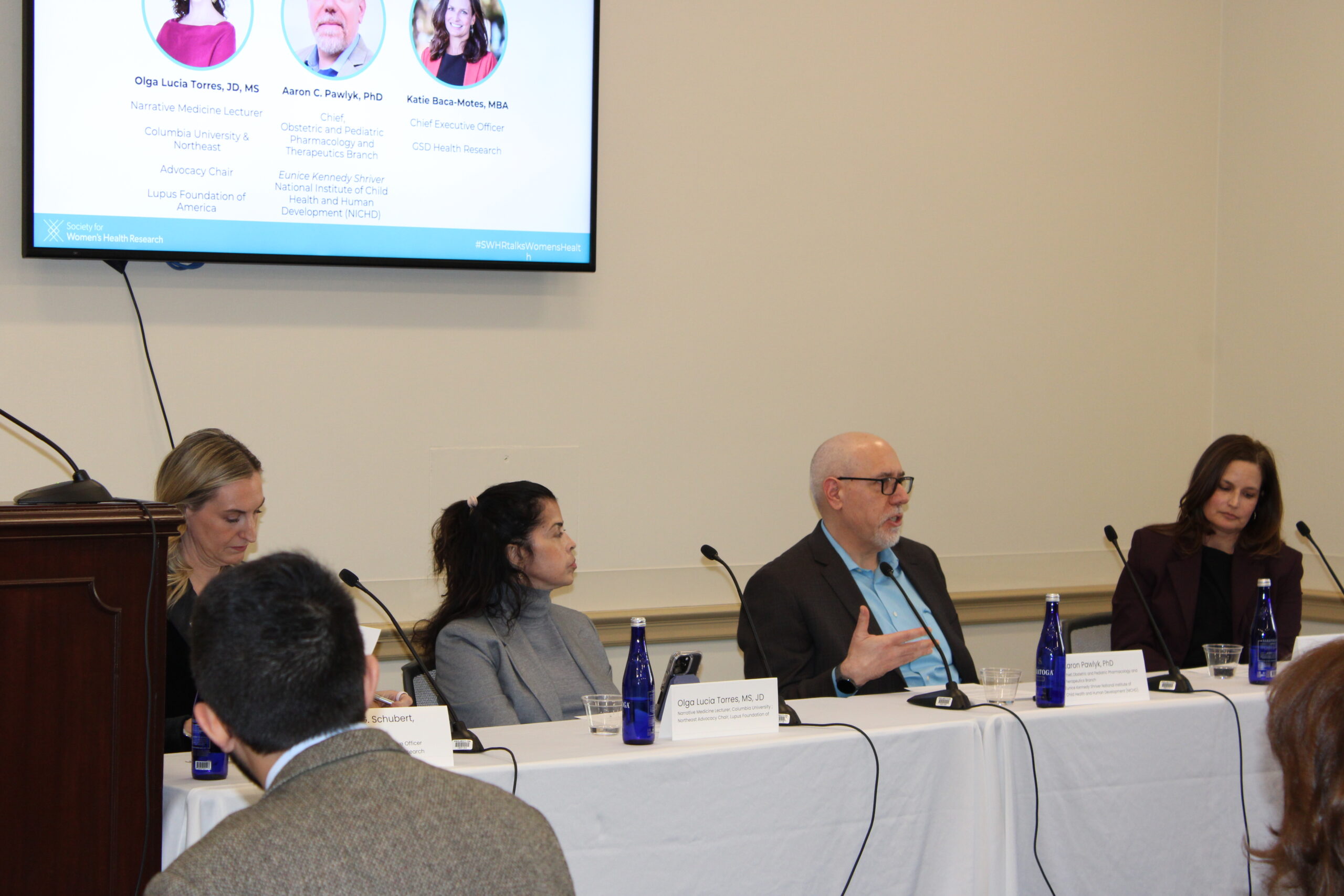
Next, Aaron Pawlyk, PhD, Chief of Obstetric and Pediatric Pharmacology and Therapeutics Branch at the Eunice Kennedy Shriver National Institute of Child Health and Human Development (NICHD) spoke on the need to move from a default of exclusion of pregnant populations and lactating populations from clinical research to improved inclusion of these populations. Dr. Pawlyk emphasized that more than 3.5 million women gave birth in the United States in 2025 and that excluding pregnant populations from clinical research creates serious risks, as “pregnant women and physicians [then] have to make medical decisions without informed research.” As a result, many women choose to decline necessary medications due to the absence of data on their effects during pregnancy. Existing barriers to research participation can be further amplified for lactating populations. Dr. Pawlyk anecdotally explained that caring for a newborn, for example, presents a logistical barrier to participation. Dr. Pawlyk closed by emphasizing that if “untreated without proper medications, diseases progress, which harms both mother and child.” He encouraged revisiting how trials are designed and conducted and examining how existing policies and practices may discourage key populations from participating in research.
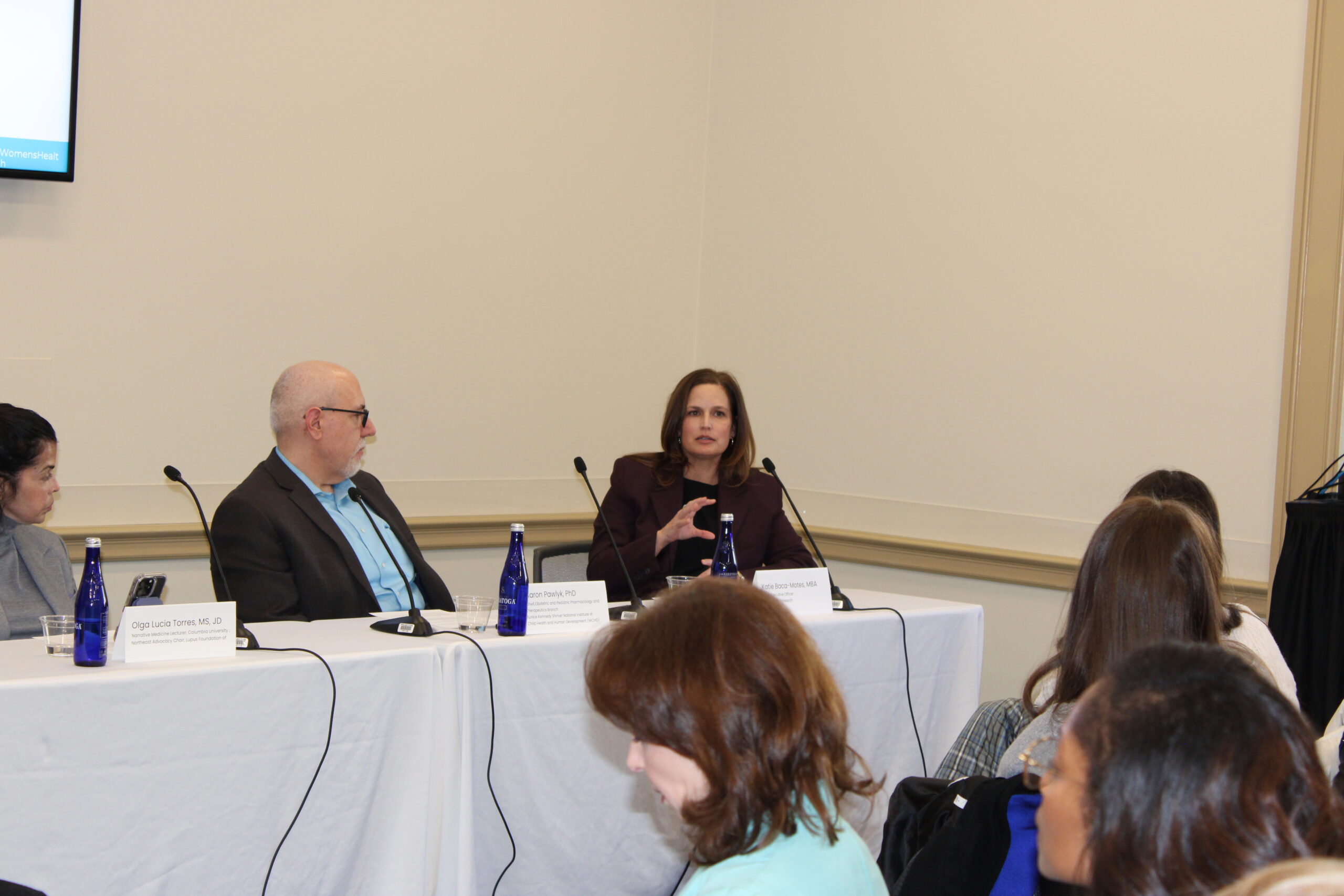
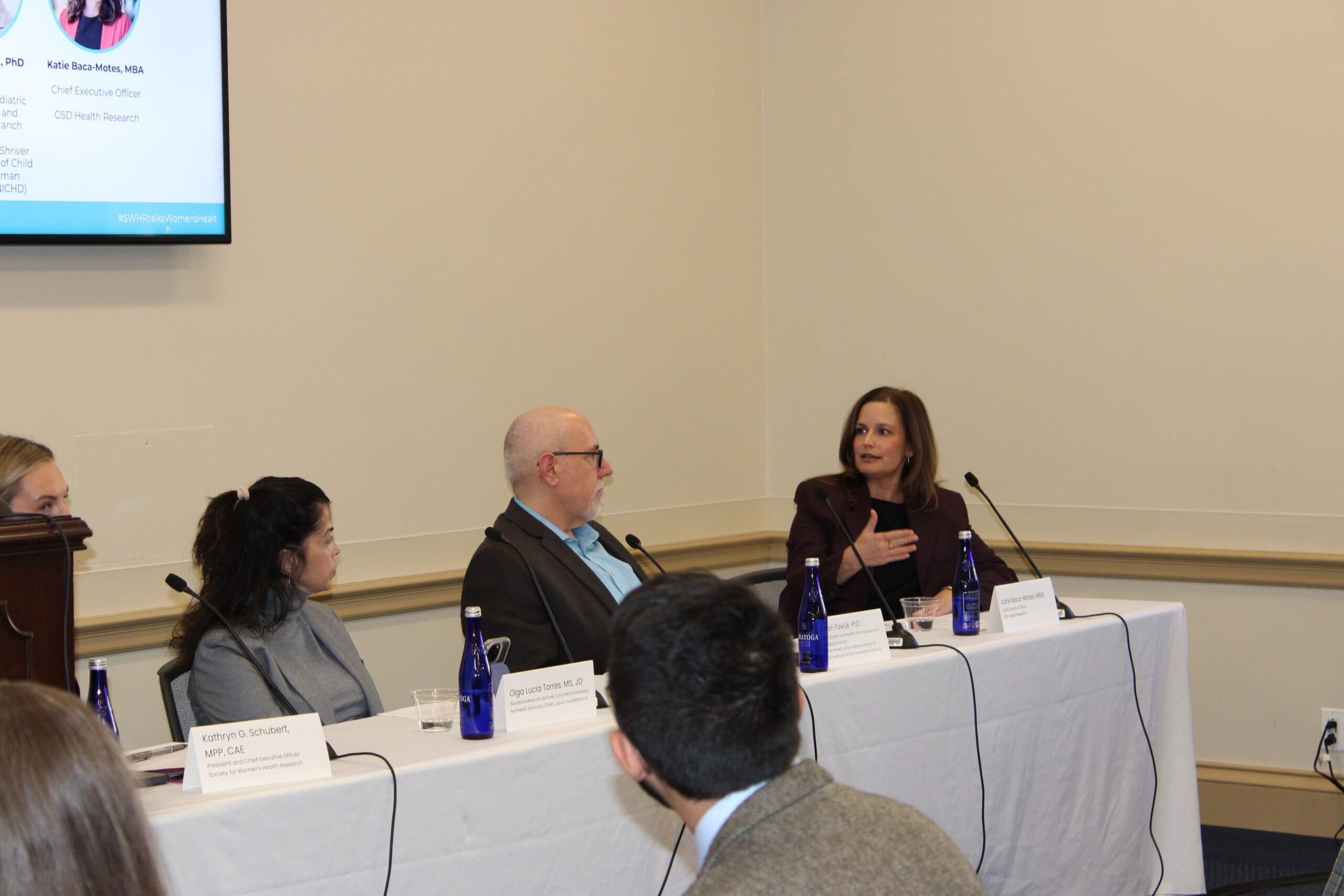
Remarks by Katie Baca Motes, MBA, Chief Executive Officer and co-founder of GSD Health Research emphasized the critical role of innovation in expanding the inclusion of women in clinical research. She highlighted how digital technologies help reduce certain barriers to women’s participation in research, such as enabling women to participate in trials regardless of their location. By addressing accessibility, many longstanding challenges to participation can be directly mitigated. Additionally, Motes explained that artificial intelligence (AI) technology could offer a way to overcome language barriers that arise in clinical research. Many women who should be included in research primarily may speak other languages, and AI tools can help bridge this gap. “Bringing the right people to the table at the very beginning is the first layer in furthering innovation,” Motes remarked. “Next you must have safety and reliability to keep people’s information safe.”
To close out the briefing, panelists took audience questions and recommended looking toward future generations for positive change. Dr. Pawlyk called on researchers to “reach young scientists, [as] they will be shaping the future of clinical trial inclusion.” Torres added, “the next steps toward change may be baby-steps, but a reframing needs to happen – and I agree, it starts with young scientists.”
The briefing concluded with a spotlight on the legal protections for clinical trial participation. Khaleelah Cohen, MA, Stakeholder Engagement Consultant at the Foundation for Sarcoidosis Research, shared that the Department of Labor recently clarified that clinical trial participation is eligible for Family and Medical Leave Act (FMLA) benefits – or job-protected leave. This policy clarification represents a landmark win for research participants, confirming that employment protections are in place under U.S. law for individuals who choose to take part in clinical research. Learn more about this protection here.
Thank you to everyone who joined SWHR at this congressional briefing. The work to ensure all women are fully represented in clinical research is vital, and we remain committed to advancing this mission.
Explore photos from the evening here



All photo credits to the Society for Women’s Health Research.