


Overcoming Barriers to Women’s Participation in Clinical Research
- This event has passed.
January 20, 2026 @ 3:00 pm - 4:00 pm EST
This is an in-person event. This event took place in Rayburn House Office Building, Room 2060.
For decades, women have been underrepresented — and at times, explicitly excluded — from clinical research. This historic imbalance has left gaps in our understanding of women’s health, disease progression, effective diagnostics, and appropriate treatment strategies. While meaningful progress has been made in recent years, persistent regulatory and socioeconomic barriers continue to limit the full inclusion of women in clinical trials across the lifespan.
In recognition of Women’s Health Research Day on January 25, the Society for Women’s Health Research (SWHR) hosted a congressional briefing focused on the barriers women face in participating in clinical trials. This forum provided an opportunity for speakers to share their experiences and expertise, discuss ongoing challenges, and propose solutions and next steps to foster increased participation of women in research. Together, we celebrate the strides achieved so far, address systemic challenges, and explore actionable strategies to ensure that medical innovation truly serves everyone.
This event is took place in Rayburn House Office Building, Room 2060.
*This event is widely attended and relevant to official duties
This is an SWHR Event.
Goals
- Highlight the regulatory, socioeconomic, and systemic obstacles that limit women’s participation in clinical trials across the lifespan.
- Discuss actionable strategies, policy recommendations, and collaborative approaches to increase women’s representation in clinical trials and ensure research outcomes are inclusive.
Are you interested in seeing more of this type of educational programming on women’s health from SWHR?
Panelists
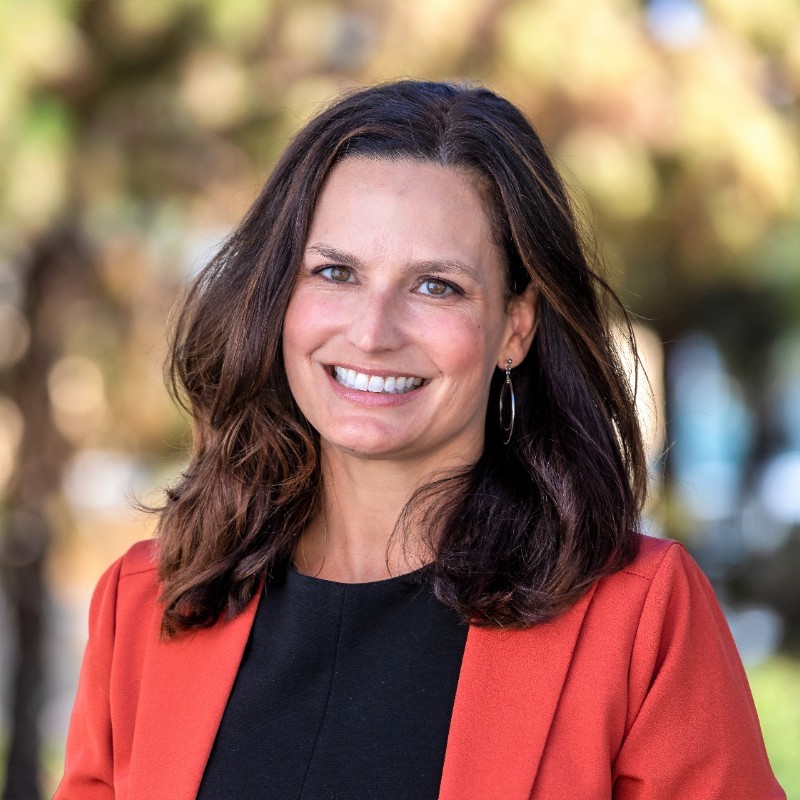
Katie Baca Motes, MBA

Katie Baca Motes, MBA
Katie Baca-Motes is the CEO and co-founder of GSD Health Research. With more than 15 years of experience leading large-scale digital and hybrid clinical studies, she is widely recognized for advancing innovative trial design that improves participation, data quality, and real-world relevance.
She previously co-founded the Scripps Research Digital Trials Center, where she spent more than a decade leading large national digital and hybrid studies, including leadership roles within the NIH All of Us Research Program and the launch of initiatives such as DETECT and the PowerMom Consortium. Her work contributed to the early adoption of remote enrollment, participant-mediated data capture, and technology-enabled research conducted at national scale.
Today, through GSD Health Research, her work centers on translating novel trial methodologies into practice through academic and industry collaboration, with a focus on building scientifically rigorous, scalable research models designed to advance women’s health research across therapeutic areas and the lifespan.

Aaron Pawlyk, PhD
Aaron Pawlyk, PhD
Aaron C. Pawlyk, Ph.D., is Chief of the Obstetric and Pediatric Pharmacology and Therapeutics Branch (OPPTB) in the Eunice Kennedy Shriver National Institute of Child Health and Human Development (NICHD)’s Division of Extramural Research. OPPTB supports research and training to advance thesafe and effective development and use of therapeutics for pregnant women, lactating women, and children, with an emphasis on clinical pharmacology to improve dosing, safety, and effectiveness.
Since joining NICHD as Branch Chief in August 2019, Dr. Pawlyk has led OPPTB’s national extramural portfolio. He established a five-year strategic plan, expanded intra-NIH and cross-agency collaboration, and advanced data-driven recommendations to strengthen NICHD’s research direction. Heoversees funding mechanisms—including grants, cooperative agreements, contracts, and OTAs—and leads work at the science–policy interface, supporting activities under the Best Pharmaceuticals for Children Act (BPCA) and guiding PRGLAC follow-up and implementation, including a National Academies study on legal, ethical, and regulatory policy issues for research involving pregnant and lactating women.
Dr. Pawlyk has prioritized strengthening quantitative clinical pharmacology to close evidence gaps. Under his leadership, OPPTB envisioned the Maternal and Pediatric pRecisioN in Therapeutics (MPRINT) Hub, a national resourcespanning quantitative systems pharmacology, pharmacometrics, and tool development. He also developed initiatives focused on mechanisms driving maternal–fetal and pediatric exposure and response across organ systems. In his role as the NIH point of contact for pediatric medical devices, he led OPPTB in launching a design-phase public–private partnership in pediatric medical device innovation via the Foundation for the NIH, in coordination with FDA and BARDA.
Dr. Pawlyk earned a BA in Biochemistry and Biology at the University of Pennsylvania and a PhD in Biochemistry at Texas A&M University, with training in enzymology and allosteric regulation. Prior to NIH, he built expertisein women’s health and biomarker-informed product development at Wyeth and gained experience at Redpoint Bio in how excipients and palatability can affect use in children. Earlier NIH leadership at NIDDK strengthened his focus on data and knowledge resources and translational programs, including coordination of the Common Fund’s Illuminating the Druggable Genome (IDG) program and stewardship of large-scale initiatives coupling multi-omics data and phenotypes to accelerate target discovery and therapeutic translation. Hehas authored 37 peer-reviewed publications and is recognized for building multidisciplinary teams and national-scale resources that connect mechanism, modeling, biomarkers, and implementation.

Olga Lucia Torres, MS, JD
Olga Lucia Torres, MS, JD
Olga has been sick her entire life: starting with severe asthma, a pituitary adenoma, later developing lupus and multiple other autoimmune diseases, and ultimately experiencing a devastating brain injury that left her disabled. She was a founding attorney at the Bronx Defenders. After recovering from the brain injury, Olga pivoted to health law at the Medicare Rights Center and then to patient advocacy, serving as the inaugural Northeast Region Advocacy Chair for the Lupus Foundation of America. She is also a member of the Patient Engagement Collaborative, collaborates with the Patient Advocate Foundation, and serves on the medical advisory board of Hear Your Song. Olga now teaches in the narrative medicine program at Columbia University. She chairs the Multicultural Media & Correspondents Association Board of Trustees. Olga has published articles on healthcare, disability rights, and BIPOC issues in various publications, including the New York Times, New York Daily News, and Next Avenue.
Sponsor
Support for this educational program has been provided by Organon. SWHR maintains independence and editorial control over program development, content, and work products.
