


For the third year in a row, the Society for Women’s Health Research (SWHR) was pleased to present three SWHR Emerging Scholars in Women’s Health Research Awards at the Organization for the Study of Sex Differences (OSSD) 2026 Annual Meeting this May. These awards honor three trainees whose research addresses critical gaps in health and disease areas that disproportionately, differently, or exclusively affect women.
This year’s awards focused on immunology and women’s health, reflecting the growing recognition that the immune system plays a central role across the lifespan. Women experience distinct immune responses shaped by sex hormones, genetics, reproductive transitions, and environmental influences, contributing to differences in vaccine responses, inflammation, and autoimmune disease prevalence, among other areas. Despite these profound impacts, immunology research has historically ignored sex differences and women-specific health outcomes (read more about this gender gap in SWHR’s latest article in the Biology of Sex Differences journal, Life-course immunology: reframing sex differences in the immune system to better understand women’s health).
The 2026 Awardees
SWHR awarded Emerging Scholars in Women’s Health Research Awards to Sarah Broders from University of California, San Diego, for “Dissecting chromosomal and hormonal sex effects on immune responses in myocarditis”; Leah Conrad from the University of Michigan, for “Alzheimer’s disease and neuroimmune activity in a mouse model of oral contraceptive exposure”; and Elle Murata from the University of California, Santa Barbara for “Neurobiological signatures of endometriosis: characterizing pain, cognition, and brain morphology.” Read more about the awardees here.
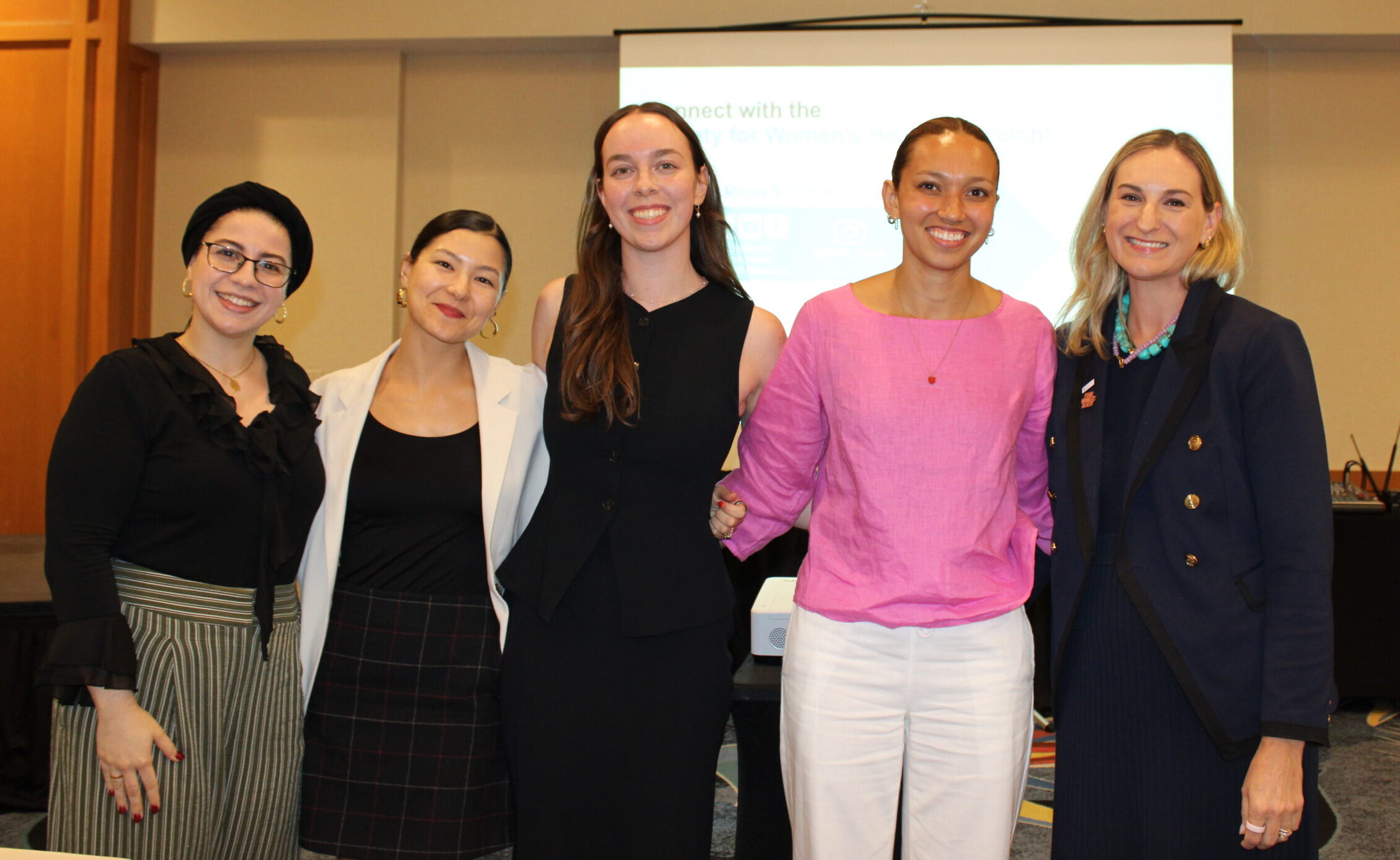
SWHR Programs Manager Syreen Goulmamine, Elle Murata, Sarah Broders, Leah Conrad, SWHR CEO Kathryn Schubert
Each awardee offered a unique perspective on immunology and women’s health, featuring topics core to SWHR’s work – cardiovascular disease, Alzheimer’s disease, and endometriosis.
“While mortality rates for cardiovascular disease in men have steadily declined over the past several decades due to improved therapies, rates in women have remained stagnant. My research addresses this gap by examining how sex chromosomes and hormones influence immune infiltration and fibrosis during cardiac inflammation, [potentially leading to] more effective therapies for women,” said Broders. “One misconception in cardiovascular research is that sex differences in disease are driven primarily by hormones, particularly estrogen. While hormones certainly play an important role, this perspective overlooks the contribution of sex chromosomes and the genetic differences between XX and XY individuals. My work challenges the idea that hormones alone explain sex-based differences in cardiovascular inflammation.”
“[I] want to understand how lifelong influences, like neuroimmune activation [the response between the immune system and the nervous system] and sex-specific hormonal exposures [such as taking birth control], interact to decrease risk of Alzheimer’s Disease,” said Conrad. “Hormonal contraceptives are one of the most widely prescribed drugs in the world. [Understanding] the effects of birth control [will] bring us closer to a world in which everyone who wants to take birth control can do so safely,” she added.
“Over the past decade, we’ve made meaningful progress in understanding how normative hormonal rhythms, like the menstrual cycle and pregnancy, shape brain structure and function. However, we still know very little about how atypical endocrine rhythms impact brain health. A common misconception is that conditions like endometriosis or PCOS should be studied primarily through a gynecological or reproductive lens. While these conditions are rooted in the reproductive system, they often carry a substantial mental health burden,” said Murata. “My work challenges this divide by emphasizing that understanding the neurological underpinnings of these health conditions will reveal critical targets for improving both mental health outcomes and treatment approaches. Ultimately, I hope [my research may] lead to more validation of patients’ experiences and more comprehensive, effective treatment approaches.”
-
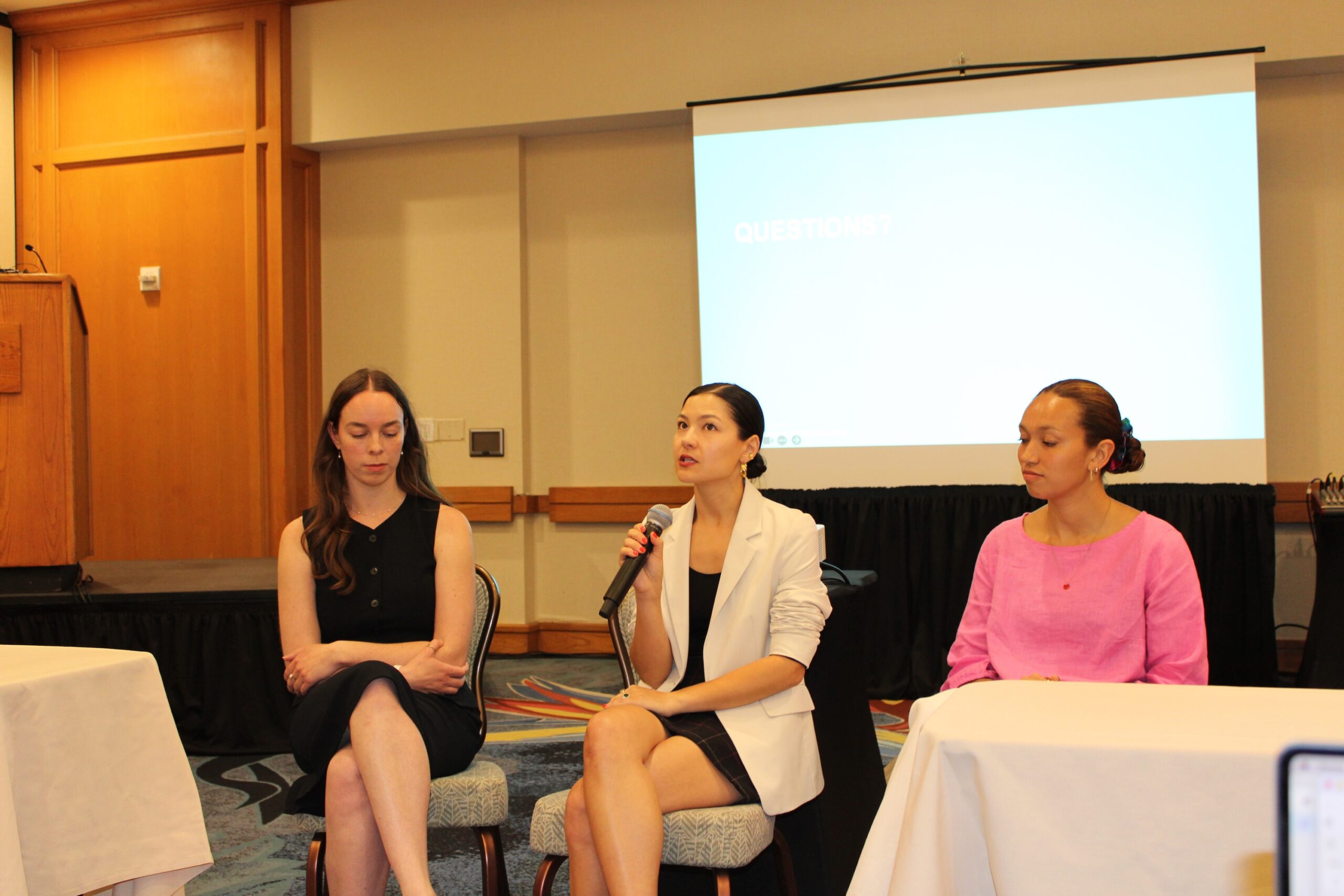
- Elle Murata
-
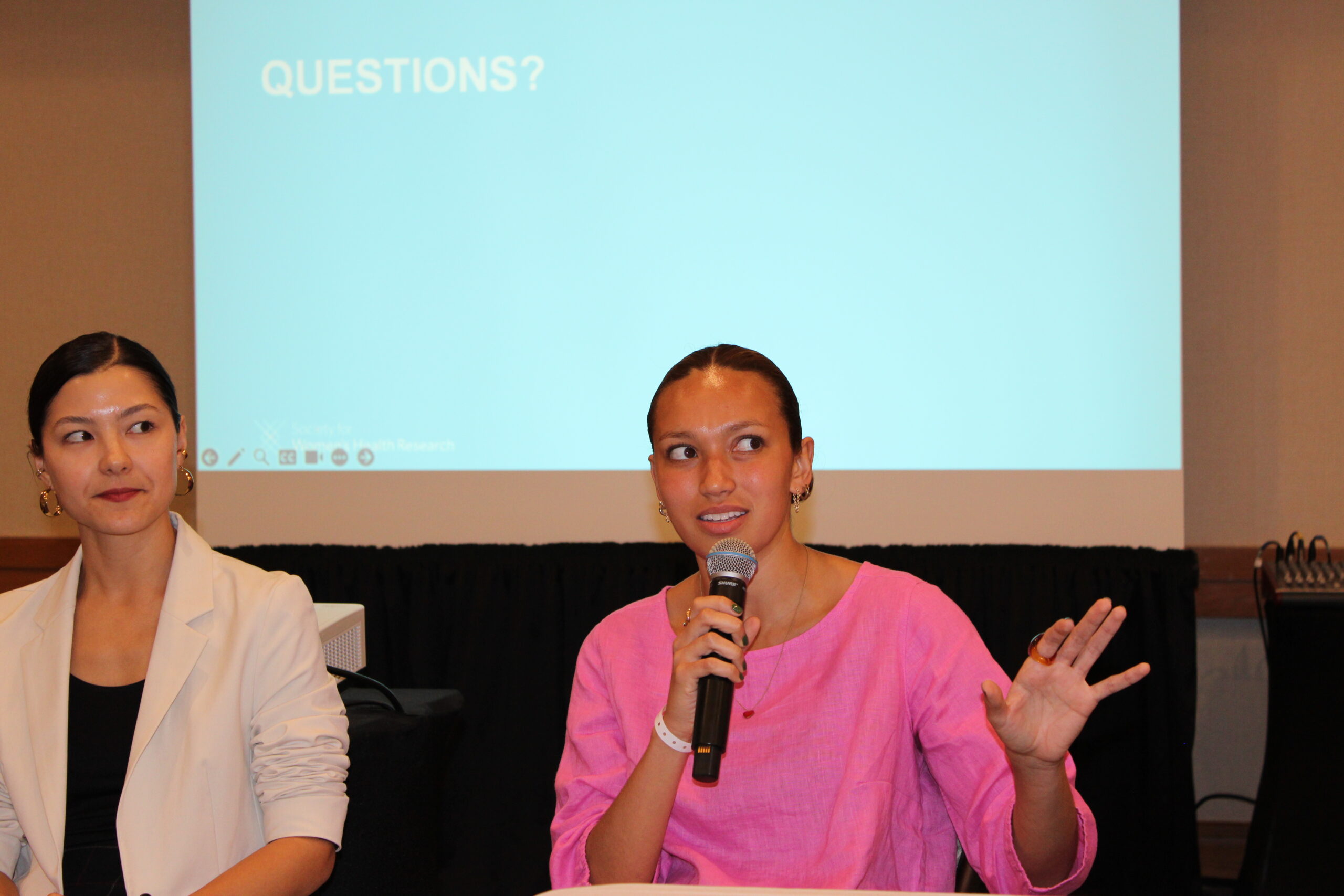
- Leah Conrad
-
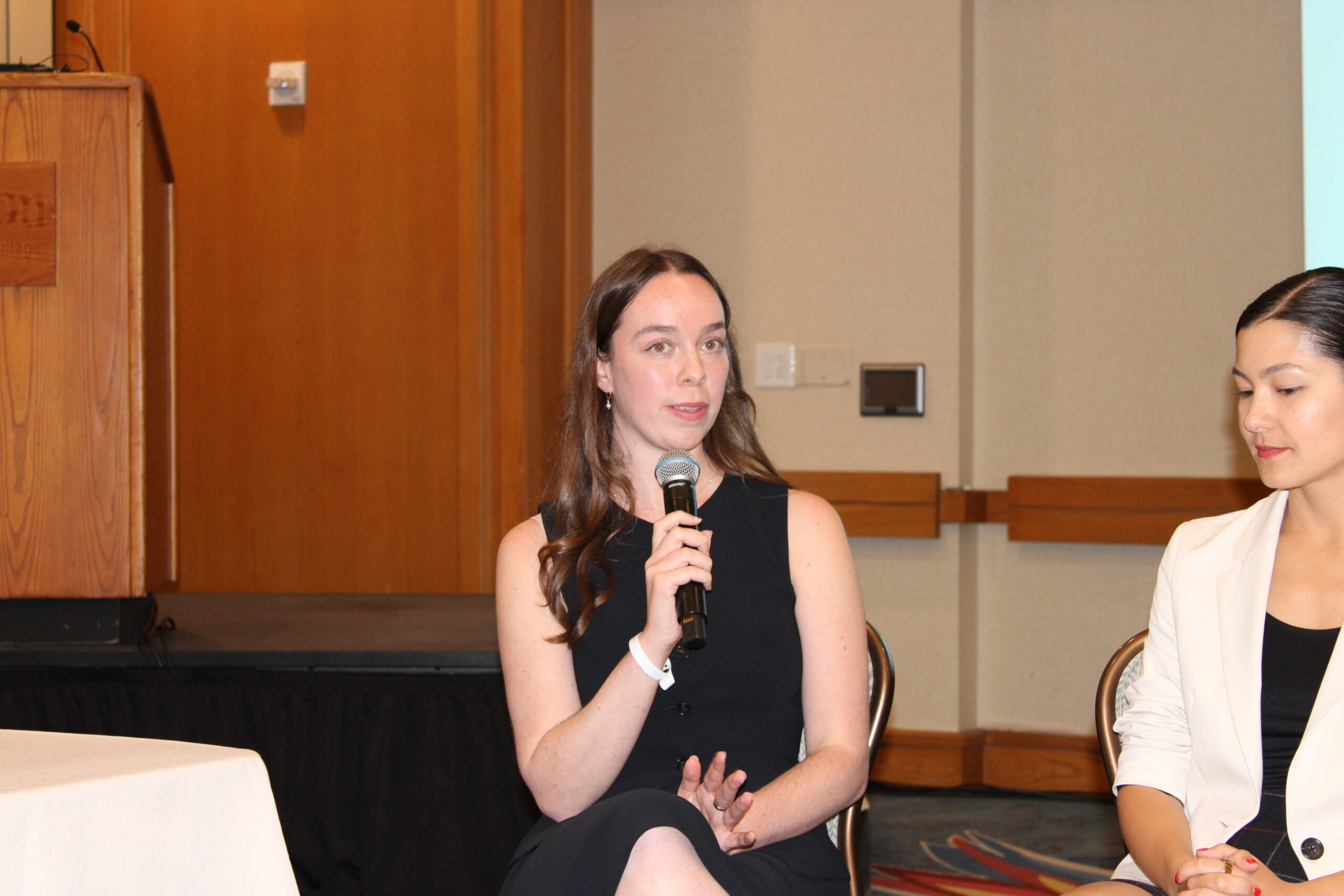
- Sarah Broders
-
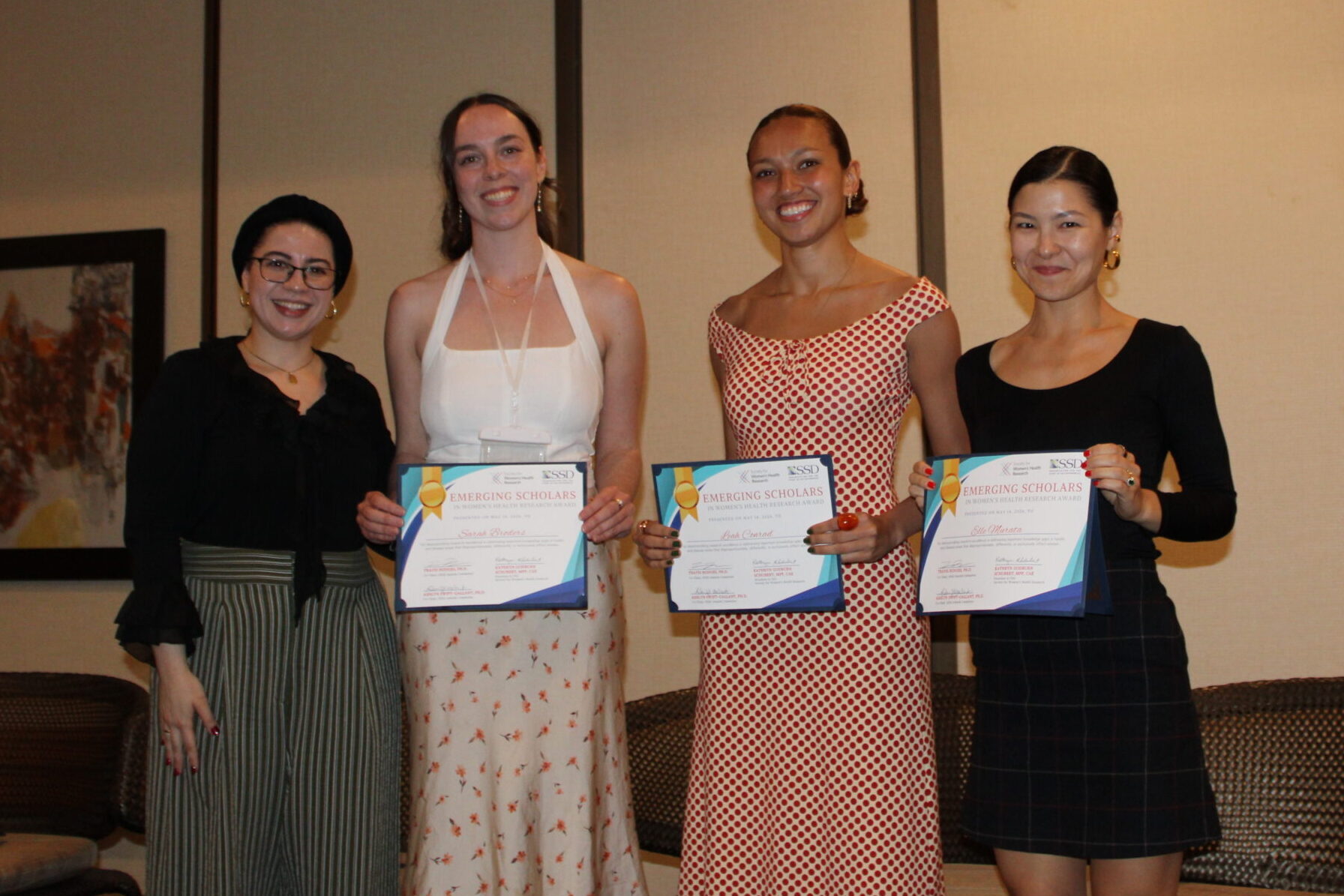
- Awardees accepting their awards at OSSD
The Future of Women’s Health Research
The 2026 awardees represent the future of interdisciplinary women’s health research and exemplify the innovative approaches needed to improve health outcomes for women across the life course.
“The translational potential of my research is what keeps me motivated. Knowing that the mechanisms I study could one day influence how cardiovascular disease is treated and help address gaps in care for women makes the challenges of research feel worthwhile,” said Broders.
“I’m constantly reminded of how relevant and needed this work is,” said Murata. “I see every day how deeply these issues affect people’s lives. That real-world impact keeps me grounded and motivated, even when the research itself is challenging.”
“Science requires creativity!” Conrad added. “So much of research is coming up with new ideas when other ones don’t go your way. Thinking outside the box often gets you closer to the answer.”
SWHR is looking forward to offering the 2027 Emerging Scholars in Women’s Health Research Awards next year, with applications set open in winter of 2026 and winners selected in spring of 2027. If you are a trainee doing women’s health research or know of trainees in women’s health research, follow SWHR for updates and learn more about research opportunities from the Organization for the Study of Sex Differences (OSSD).
Do you have women’s health research to share with SWHR? We are always interested in learning about the latest research or innovations that address health conditions that differently, disproportionately, or exclusively affect women. Your research could help inform SWHR and its partners as we work to close the sex and gender gaps in health care.
All photo credits to the Society for Women’s Health Research.