Value of Diagnostics within Women’s Health: Preeclampsia

Fact Sheets

Published 6/24/25

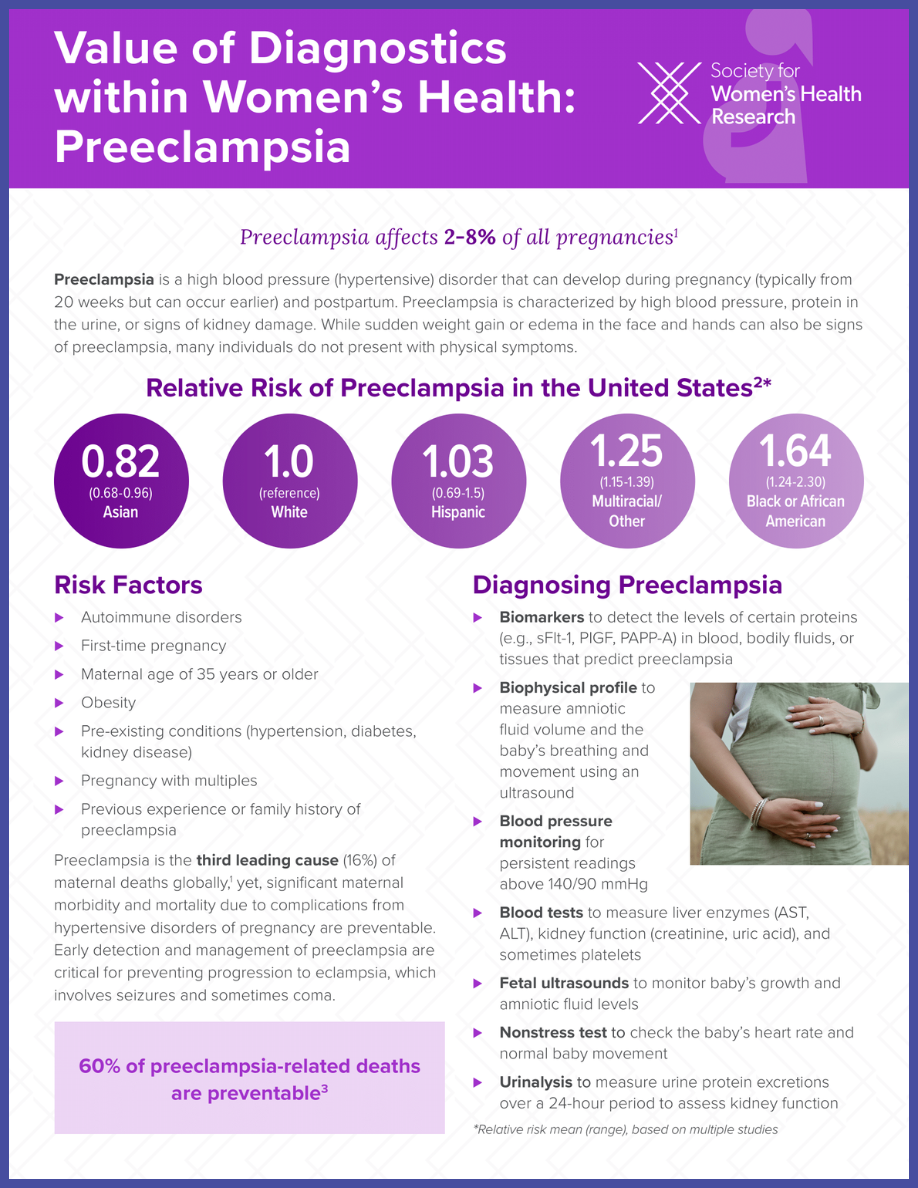
Preeclampsia is a high blood pressure (hypertensive) disorder that can develop during pregnancy (typically from 20 weeks but can occur earlier) and postpartum.

Preeclampsia is characterized by high blood pressure, protein in the urine, or signs of kidney damage. While sudden weight gain or edema (swelling) in the face and hands can also be signs of preeclampsia, many individuals do not present with physical symptoms.

Preeclampsia affects up to 8% of all pregnancies.

The Society for Women’s Health Research (SWHR) published the Value of Diagnostics within Women’s Health: Preeclampsia Fact Sheet to highlight the impact of preeclampsia on maternal health and women’s health.

Download Fact Sheet

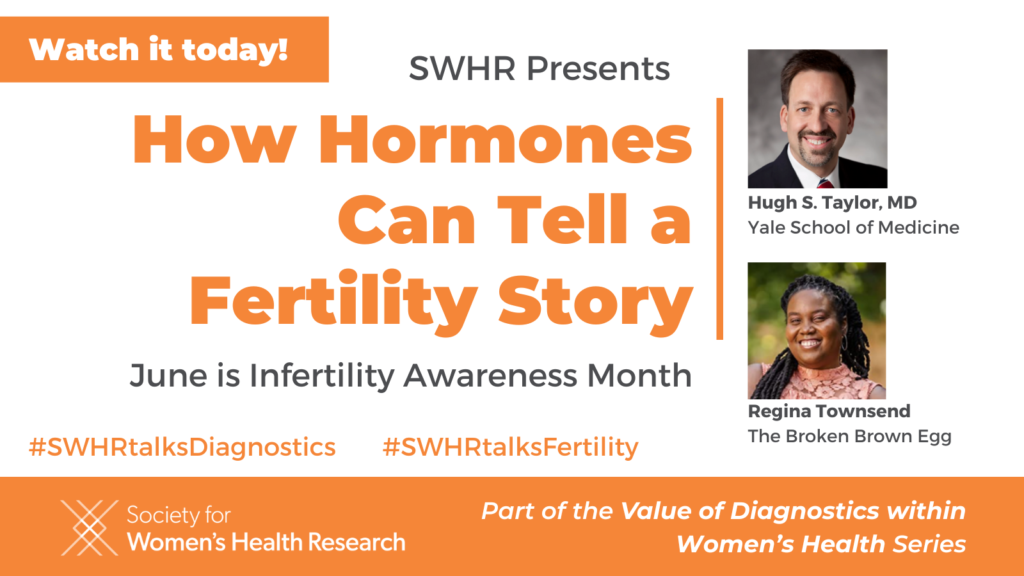
This fact sheet is part of the Value of Diagnostics within Women’s Health Series, created to share educational information about the value of innovative diagnostics across disease states and conditions.

Explore The Diagnostics Fact Sheets

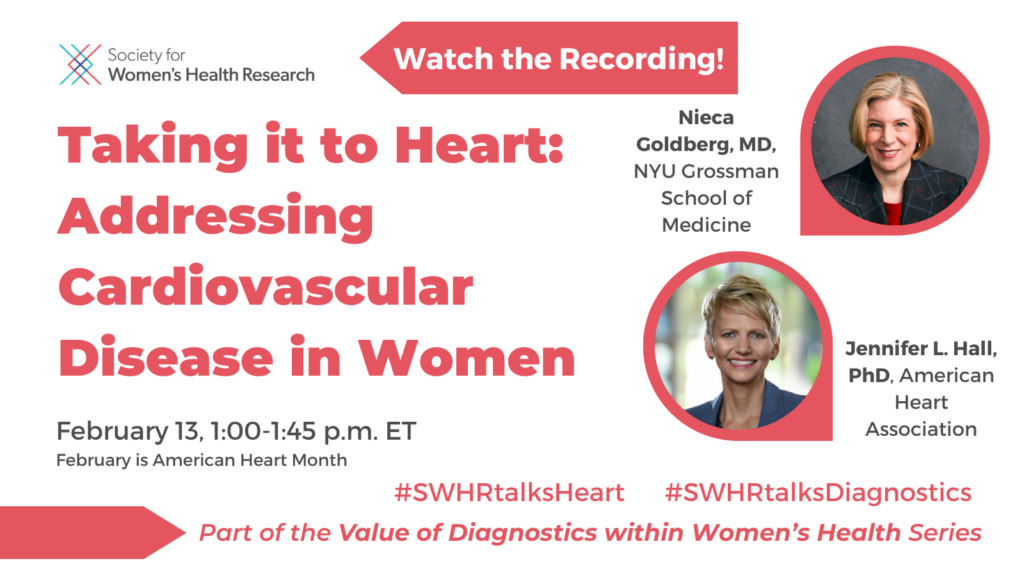
cardiovascular disease

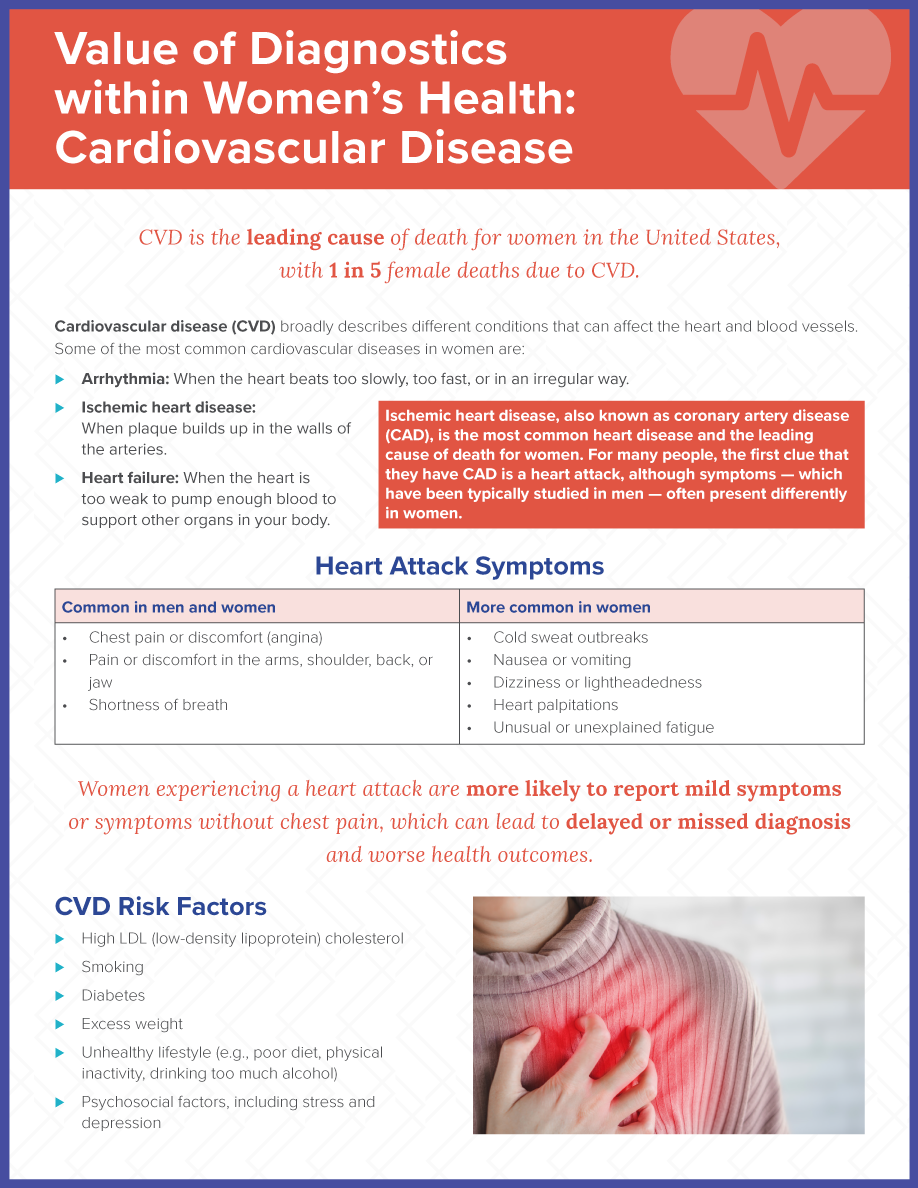
Value of Diagnostics within Women’s Health: Cardiovascular Disease

View Fact Sheet

breast cancer

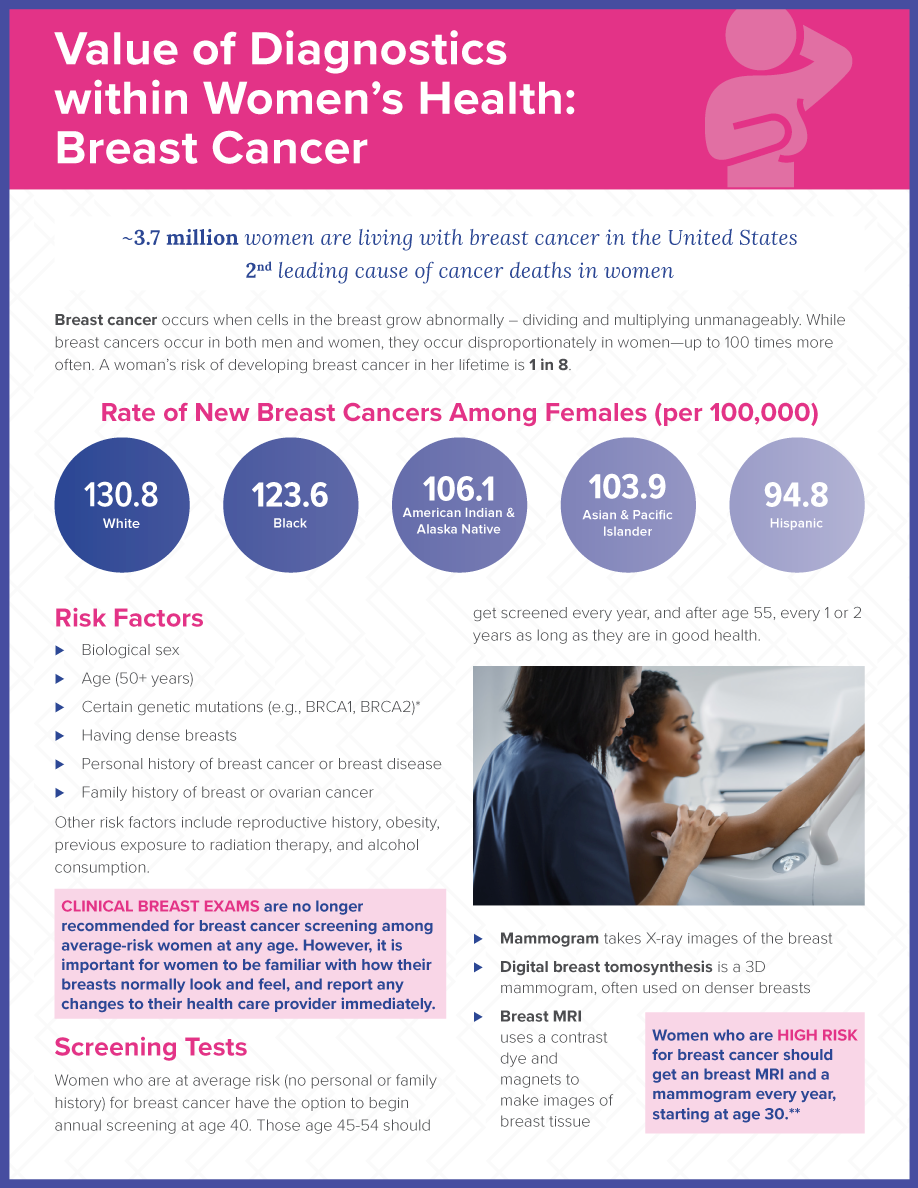
Value of Diagnostics within Women’s Health: Breast Cancer

View Fact Sheet

lung cancer

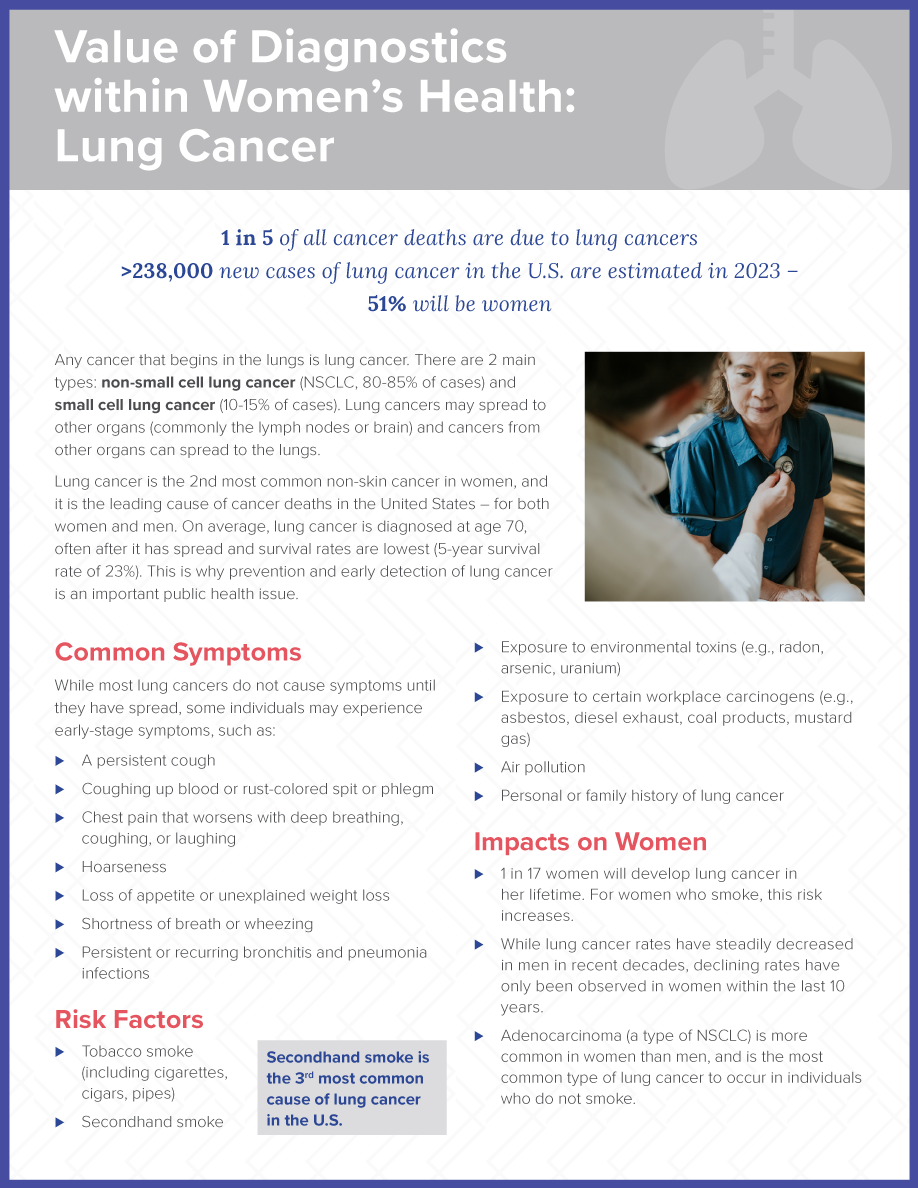
Value of Diagnostics within Women’s Health: Lung Cancer

View Fact Sheet

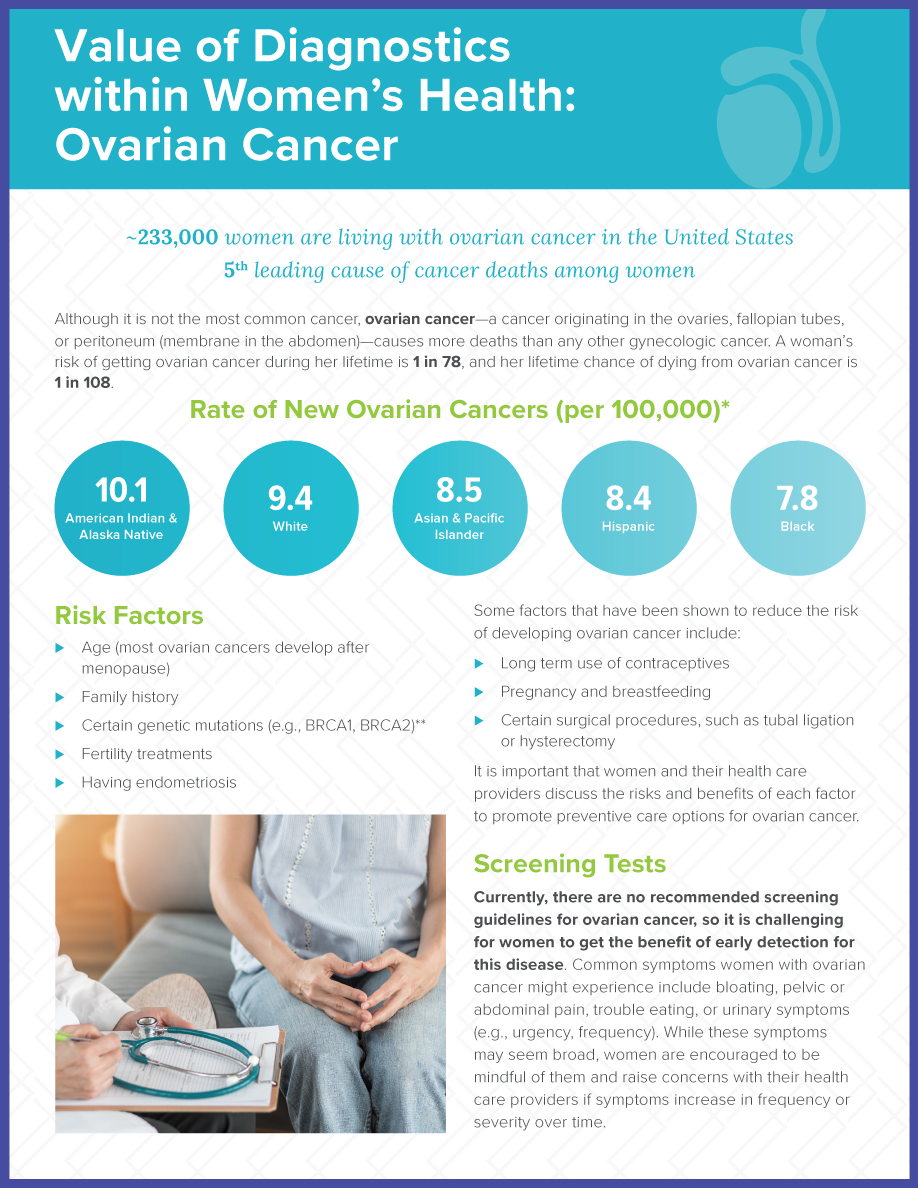
ovarian cancer

Value of Diagnostics within Women’s Health: Ovarian Cancer

View Fact Sheet

This material was created by the Society for Women’s Health Research (SWHR) and is intended to serve as a public educational and informative resource. This material may be cited or shared on external channels, websites, and blogs, with attribution given to SWHR, or printed and displayed in its original formatted version. SWHR encourages the sharing and reposting of its content in order to spread awareness around women’s health issues. For specific questions about sharing SWHR content, please reach out to communications@swhr.org.

Sponsor

SWHR’s Value of Diagnostics within Women’s Health series is supported by an educational sponsorship from Roche. SWHR maintains independence and editorial control over program development, content, and work products.