 6.17.26 | Women's Health Perspective
Debbie Sutton’s Breast Health Journey
My advice to other women is simple: trust your body, ask questions, seek second opinions & never minimize your own discomfort.
 6.10.26 | Women's Health Perspective
Jasmine Trahan’s Endometriosis Journey
I was diagnosed with stage 4 endometriosis, a severe form of the disease that had spread beyond the reproductive organs and affected other parts of my body.
 6.9.26 | Research and Clinical Trials
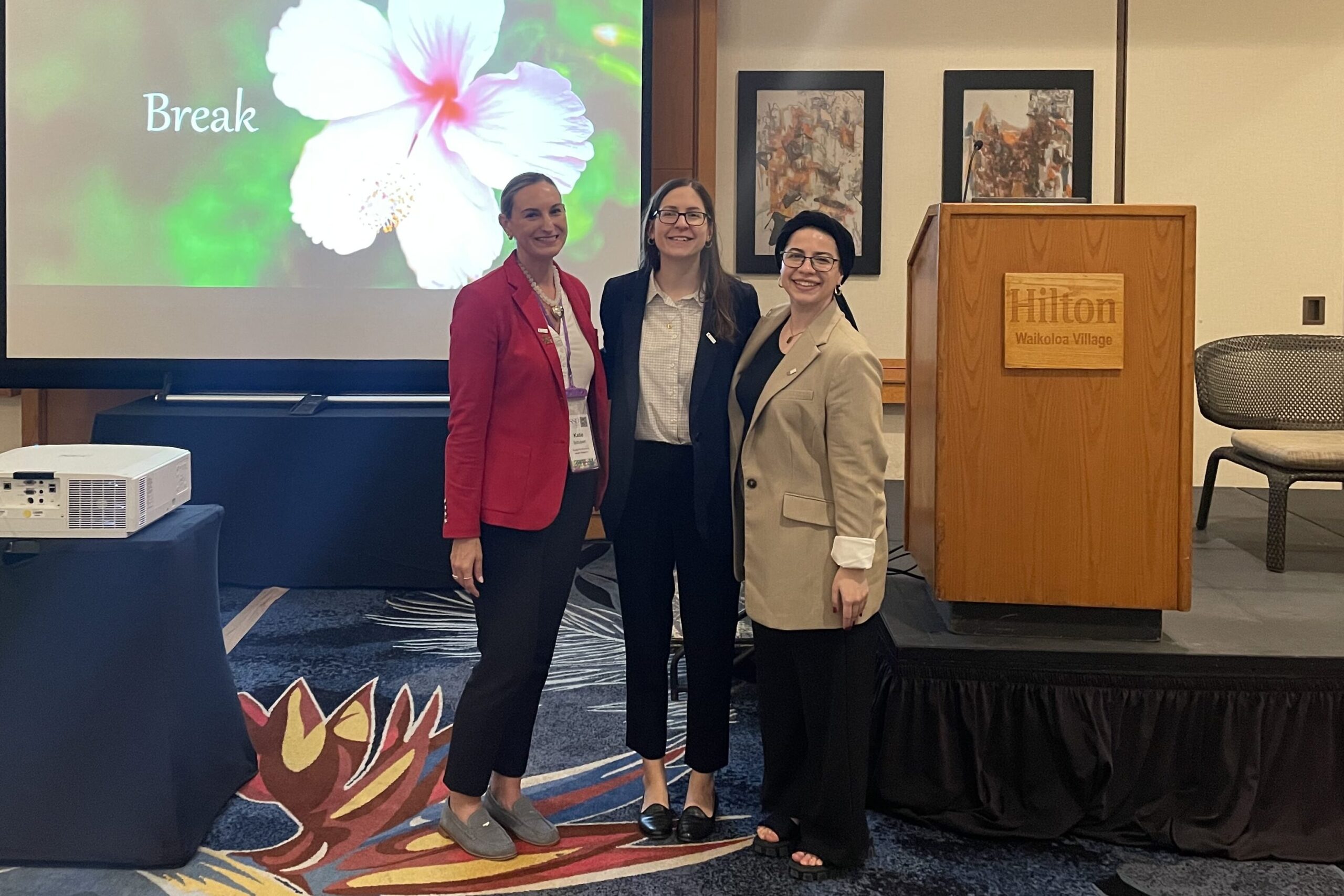
Extending the Reach of Sex Differences Research at the OSSD 2026 Meeting
SWHR presented a session titled “Advancing Sex Differences Science in a Changing Advocacy Environment,” at the OSSD Annual Meeting in Kona, Hawaii.
 6.4.26 | Women's Health Perspective
Mia Sideris’s Menstrual Health Journey
Women should not have to struggle to be heard or fight to receive accurate care. Greater awareness, research, and understanding of conditions like PMDD are essential to improving outcomes for those affected.
 6.3.26 | Research and Clinical Trials
Upcoming Event Spotlights the Power of Women’s Health Research, From Discovery to Impact
The Society for Women’s Health Research (SWHR) and Women’s Health Research at Yale are co-hosting the collaborative symposium: “From Discovery to Impact: Accelerating Women's Health Research Through Science, Policy, and Investment."
 6.2.26 | Rare Disease
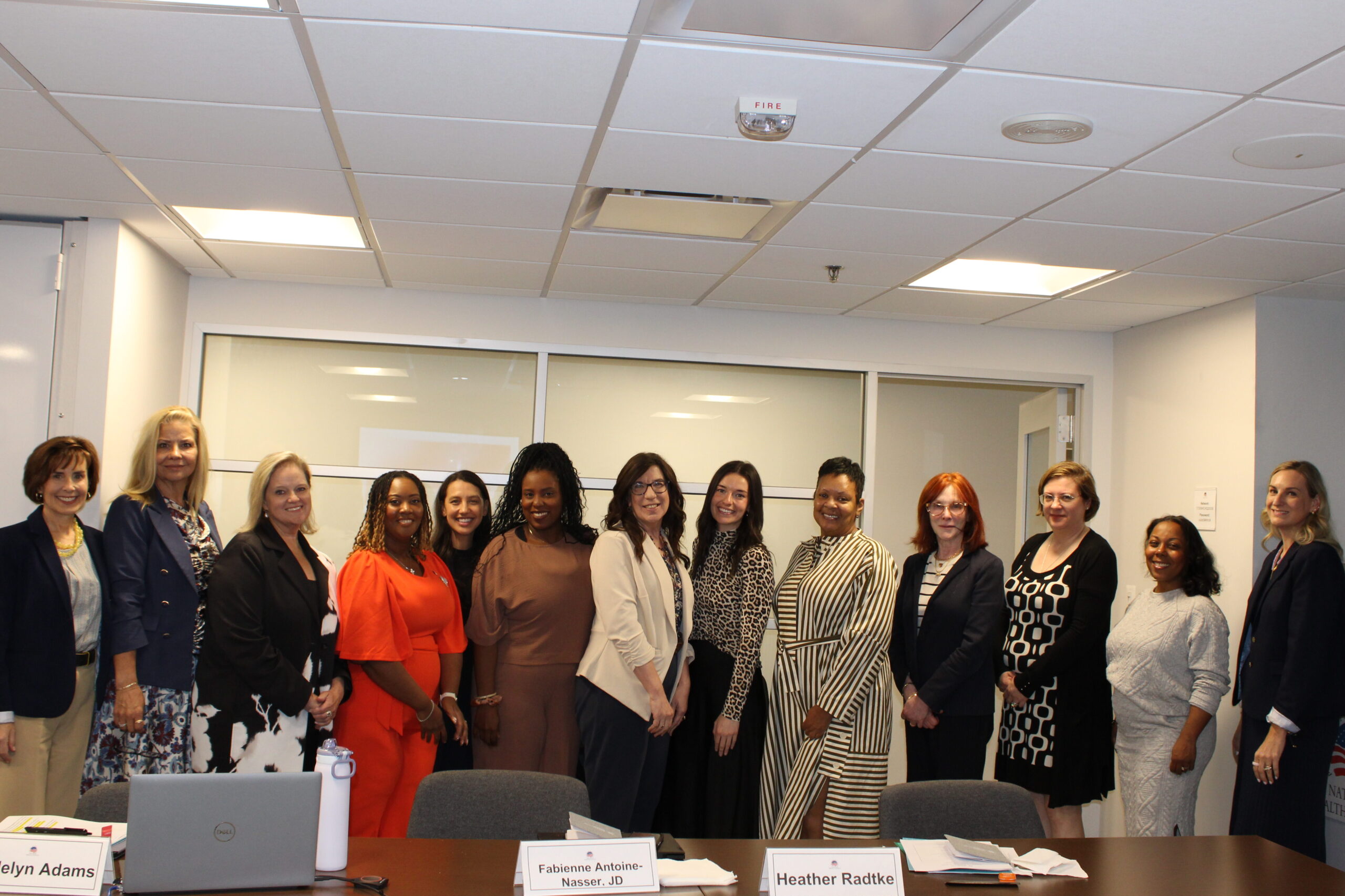
Fostering Care, Support, and Research for Rare Disease Patients
SWHR remains committed to advocating for women living with rare diseases and ensuring they can live healthy lives.
 5.21.26 | Menopause
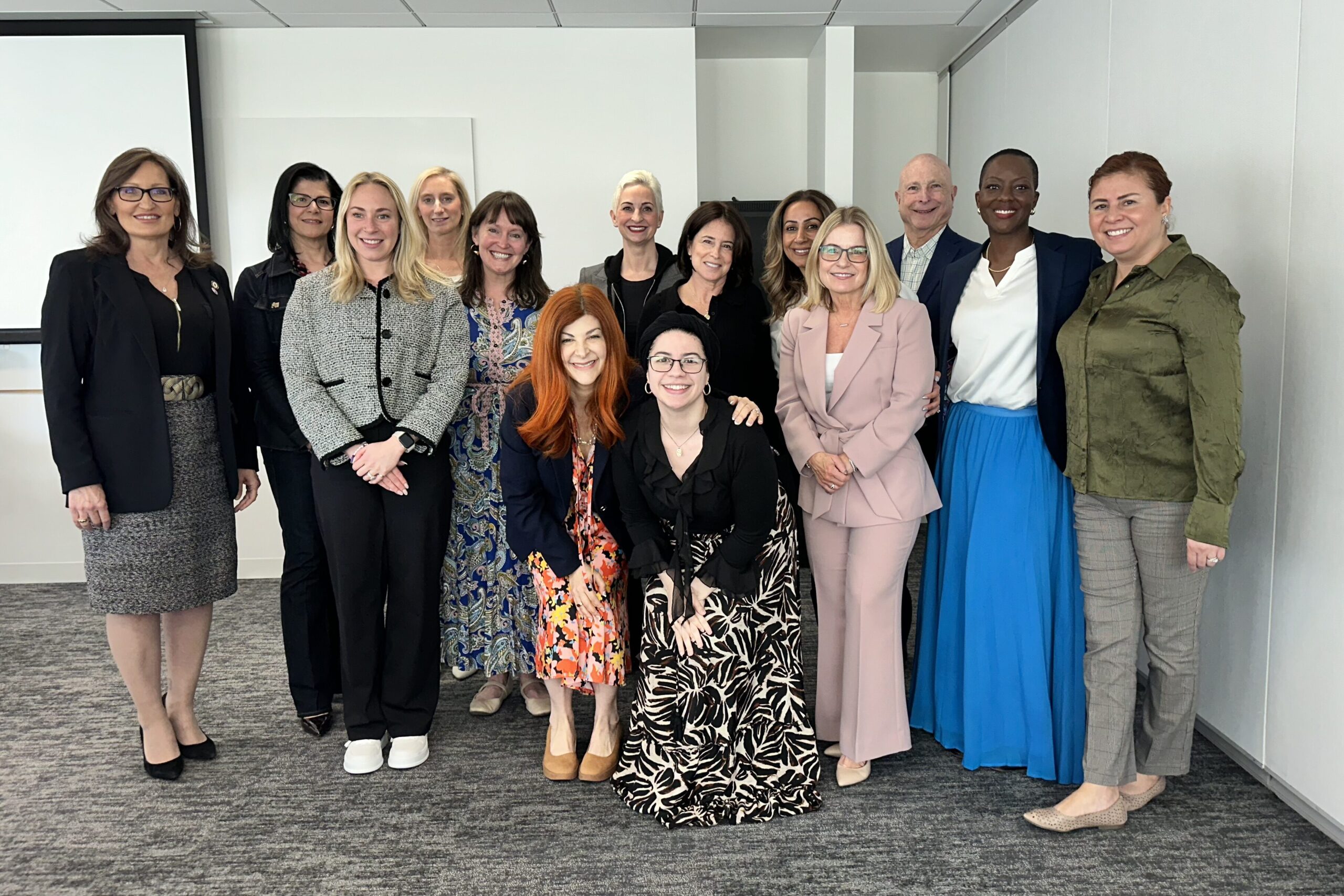
Taking the Menopause at Work Conversation Across the United States
The Menopause at Work study pairs a large-scale, multi-stakeholder survey with a series of in-person regional roundtables, each built to reach beyond the voices already discussing menopause and into the rooms where workplace decisions are actually made.
 5.20.26 | Research and Clinical Trials
SWHR Celebrates the Future of Women’s Health Research with Emerging Scholars Awards
For the third year in a row, SWHR was pleased to present three SWHR Emerging Scholars in Women’s Health Research Awards at the OSSD 2026 Annual Meeting this May.
 5.4.26 | Autoimmune
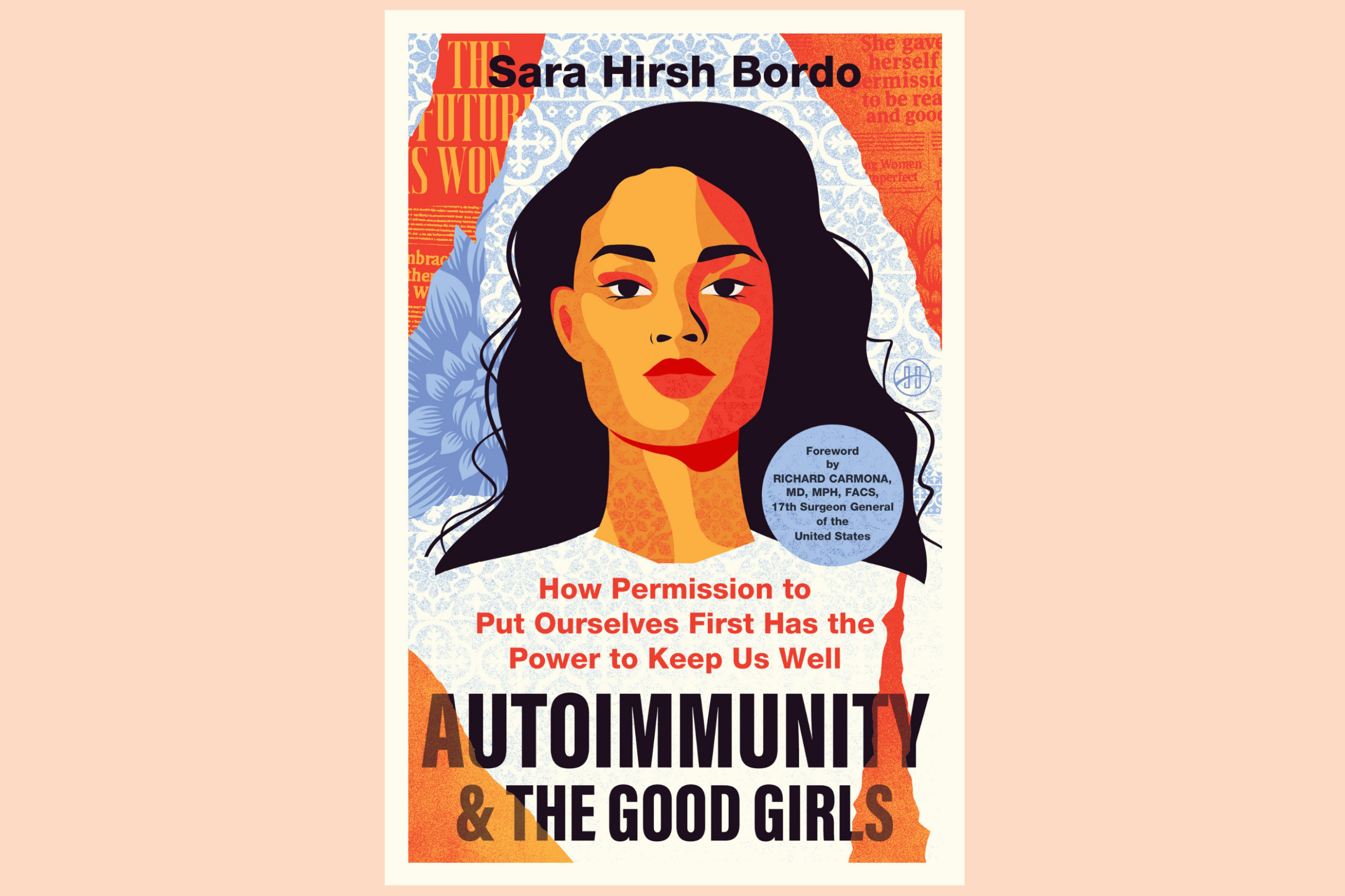
Author Calls for Self-Empowerment through Autoimmune Diagnosis
SWHR is the nonprofit partner of the book Autoimmunity and the Good Girls, by Sara Hirsh Bordo, award-winning documentarian and founder of the production company Women Rising®. SWHR spoke with Hirsh Bordo about what led her to write this book and what she hopes others will take away from it.
 4.23.26 | Women's Health Perspective
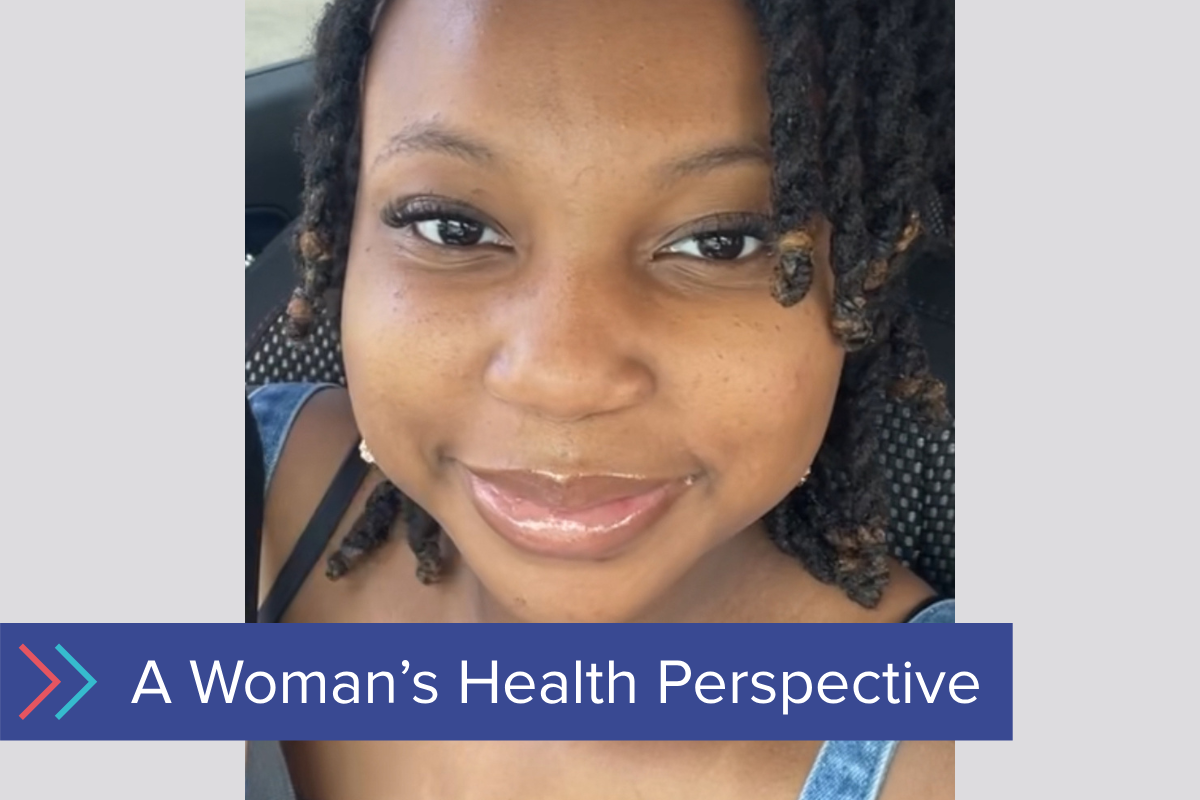
Jordan Kilgo’s Endometriosis Journey
It has been a rough journey since I was young, and I felt like I was not taken seriously. I knew that one day, if I kept trying, I would find the doctor who would believe me.