


From Discovery to Impact: Accelerating Women’s Health Research Through Science, Policy, and Investment
- This event has passed.
June 15, 2026 @ 9:00 am - 5:00 pm EDT
Women’s health research is no longer niche. Today, it stands at the intersection of foundational science, economic strategy, and public policy – demanding coordinated action across sectors.
 The first Women’s Health Research at Yale Collaborative Symposium brings together dynamic researchers, policymakers, funders, and industry leaders to accelerate women’s health research from discovery to impact. Hosted at Yale, in partnership with the Society for Women’s Health Research (SWHR), the program spotlights cutting-edge science, elevates priority research areas, and mobilizes cross-sector action to advance and improve women’s health.
Through a mix of fireside conversations, ignite sessions, compelling keynotes, scientific spotlights, and more, “From Discovery to Impact” showcases excellence, catalyzes translation, and mobilizes investment.
Event Speakers
Speakers are listed in alphabetical order. Additional may be added.
Tracy Battaglia, MD, MPH

Tracy Battaglia, MD, MPH
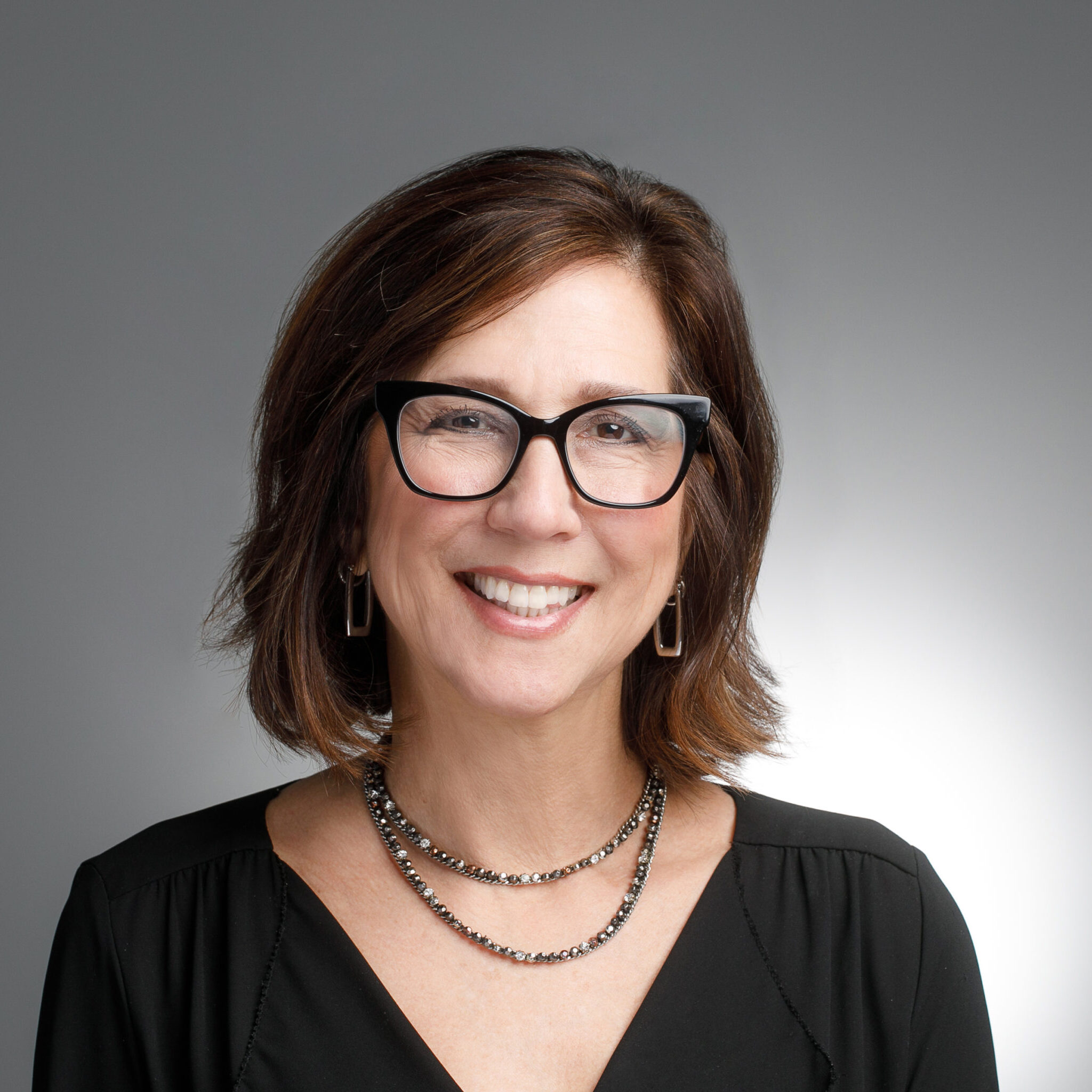
Dr. Battaglia is a primary care clinician-investigator internationally recognized for her collaborative, innovative approaches to addressing health disparities among women historically marginalized. She has led the development of foundational infrastructure to support community-engaged methods in translational science. Her own research focuses on engaging with community to increase access to care for at-risk women, including ground-breaking work on the role of oncology patient navigators. Through her participation on several National Cancer Institute cooperative groups, she contributed to the 2012 Commission on Cancer Accreditation Standard requiring navigation services in cancer centers. As founding chair of the National Navigation Roundtable, she partners across sectors for sustainable navigation workforce.
Nancy J. Brown, MD
Nancy J. Brown, MD
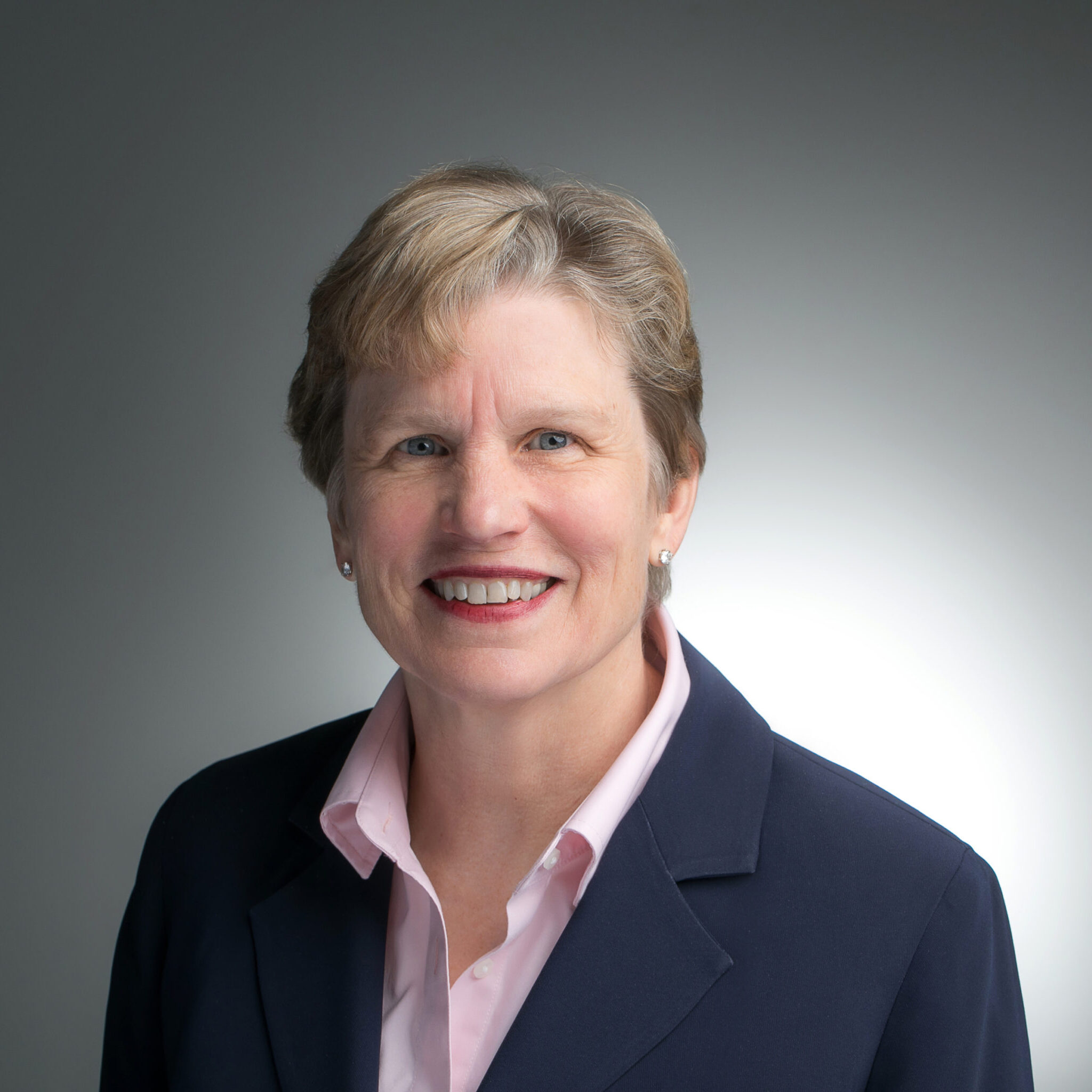
Nancy J. Brown, M.D. is the Jean and David W. Wallace Dean of Yale School of Medicine and the C.N.H. Long professor of Internal Medicine. Prior to coming to Yale, Dr. Brown served as chair of the Vanderbilt Department of Medicine and physician-in-chief of Vanderbilt University Medical Center from 2010 to 2020.
Dr. Brown’s research has focused on the mechanisms through which the renin-angiotensin-aldosterone, kallikrein-kinin, and incretin systems affect inflammation, thrombosis, metabolism and cardiovascular risk. Her lab defined the contribution of endogenous bradykinin to fibrinolysis in humans and the prothrombotic and fibrotic effects of aldosterone mediated by plasminogen activator inhibitor-1. Her research group identified African ancestry and specific genetic variants as risk factors for angiotensin-converting enzyme (ACE) inhibitor-associated angioedema. Ongoing research in the laboratory focuses on the mechanism(s) of combined angiotensin receptor blocker (ARB)/neprilysin inhibitors in heart failure as well as on the cardiovascular effects of incretin-based anti-diabetic therapies.
As a clinician, Dr. Brown’s specializes in the diagnosis and treatment of resistant hypertension; since coming to Yale, she has volunteered in the student-run HAVEN clinic. Throughout her career, Dr. Brown has worked to promote the development of physician-scientists. She established the Vanderbilt Master of Science in Clinical Investigation in 2000. From 2006-2010, she served as the Associate Dean for Clinical and Translational Scientist Development at Vanderbilt and established an institutional infrastructure to support physician-scientists in the transition to independence.
Dr. Brown served on the NIH National Advisory Research Resources Council and the National Heart, Lung, and Blood Advisory Council. Her research has been recognized by the Harriet Dustan Award from the American Heart Association, the E.K. Frey-E. Werle Foundation, the August M. Watanabe Prize in Translational Research, and others. In 2018, she was named the Robert H. Williams, MD, Distinguished Chair of Medicine by the Association of Professors of Medicine.
Dr. Brown is a fellow in the American Association for the Advancement of Science and a member of the American Society for Clinical Investigation, the American Association of Physicians, the American Clinical and Climatological Association, the National Academy of Medicine, and the American Academy of Arts and Sciences.
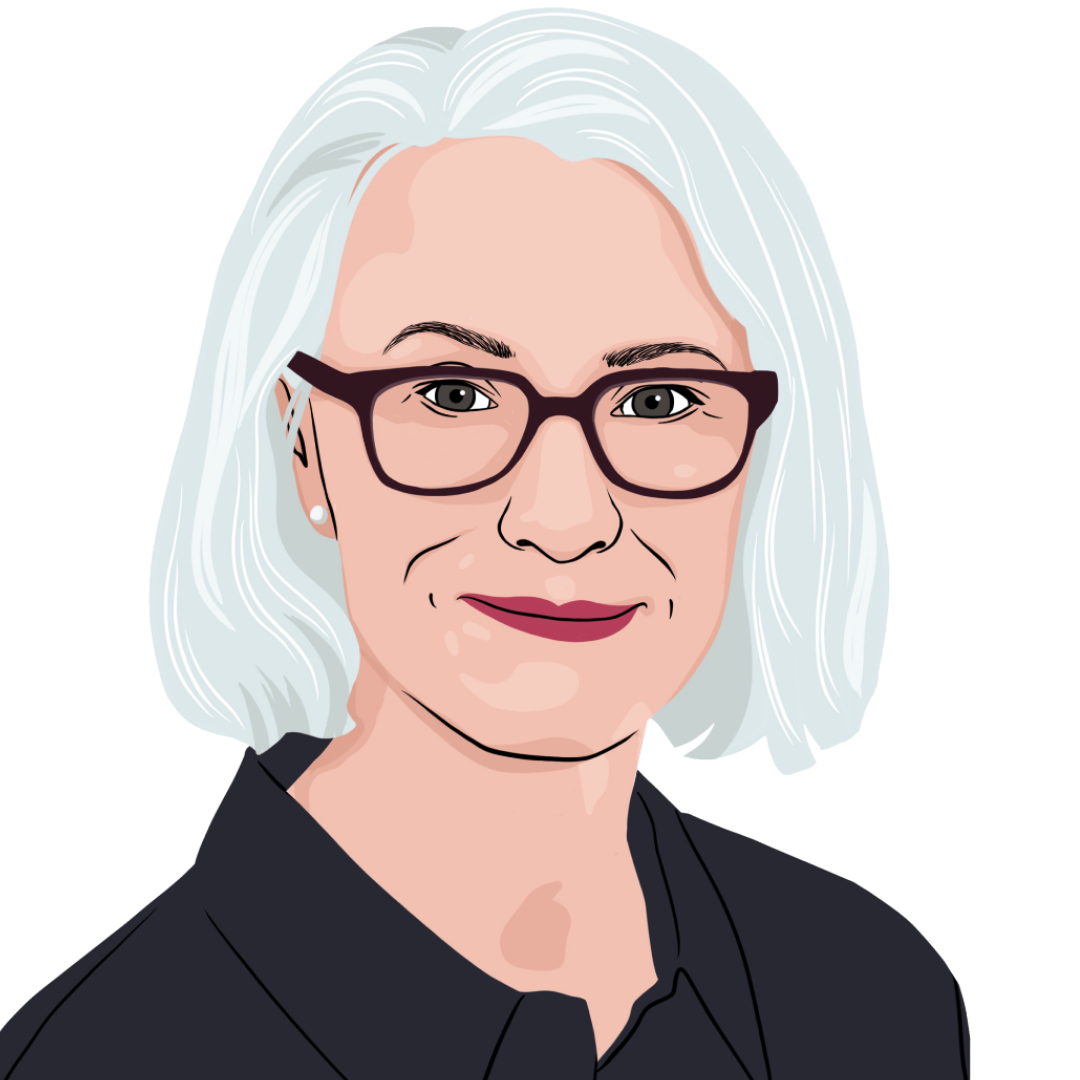
Elizabeth Cooney
Elizabeth Cooney
Liz Cooney is a cardiovascular disease reporter at STAT, covering heart, stroke, and metabolic conditions. She joined STAT in 2017 and has worked as a Morning Rounds writer, general assignment reporter, and STAT+ editor. Prior to that, she was the Boston Globe’s inaugural White Coat Notes blogger, before moving on to science writing and editing stints at Harvard Medical School and the Broad Institute of Harvard and MIT. Most months you’ll find her training for marathons.

Michael Crair, PhD
Michael Crair, PhD
Michael Crair, PhD, is Vice Provost for Research and the William Ziegler III Professor in the Departments of Neuroscience and Ophthalmology & Visual Science at Yale University. As Vice Provost for Research, he has University-wide oversight over research strategy, planning, policies and administration, research infrastructure and core facilities, including Yale’s West Campus, technology transfer and engagement with public and private sponsors of research. He works to encourage and broadly support research at Yale, innovative interdisciplinary scholarship, entrepreneurship, innovation, and enable groundbreaking discoveries across all schools and departments at the university. He also serves on the Board of Directors of the E. Matilda Ziegler Foundation for the Blind, Inc., the Dan Lewis Foundation for Brain Regeneration Research and is the Chair of the Board of QuantumCT.
Dr. Crair obtained his doctoral degree in physics from the University of California, Berkeley, and did postdoctoral training in physics and neuroscience at Kyoto University and Kyoto Prefectural Medical School in Japan and in neuroscience at the University of California, San Francisco. He was a faculty member at Baylor College of Medicine in Houston, Texas, before joining Yale as a member of the Department of Neuroscience in 2007. He has directed Yale’s Vision Core Program, the Graduate Program in Neurobiology and was Deputy Chair of the Department of Neuroscience until 2017, then Deputy Dean for Scientific Affairs (Basic Science Departments) at the School of Medicine before becoming Vice Provost for Research at Yale University in 2020.
Dr. Crair’s research program develops and employs advanced imaging techniques to examine the basic mechanisms that mediate brain circuit plasticity, development and regeneration, with a focus on the mammalian visual system. He has made fundamental contributions to our understanding of neural activity in the developing brain, for instance by demonstrating that early spontaneous neuronal activity is an essential part of normal brain development. He is currently exploring the mechanisms by which this activity is generated and how it shapes brain circuit development. He has been awarded numerous honors for his research and teaching, including the Esther A. and Joseph Klingenstein Foundation Fellowship Award in the Neurosciences, the Marc Dresden Excellence in Graduate Education Award, and a NARSAD-Sidney R. Baer Jr. Foundation Young Investigator Award. He has also been named an Alfred P. Sloan Foundation Research Fellow, a John Merck Fund Scholar and the March of Dimes Foundation’s Basil O’Connor Fellow. His research is funded by the National Eye Institute, the National Institute of Mental Health and the National Institute of Neurological Disorders and Stroke of the National Institutes of Health.
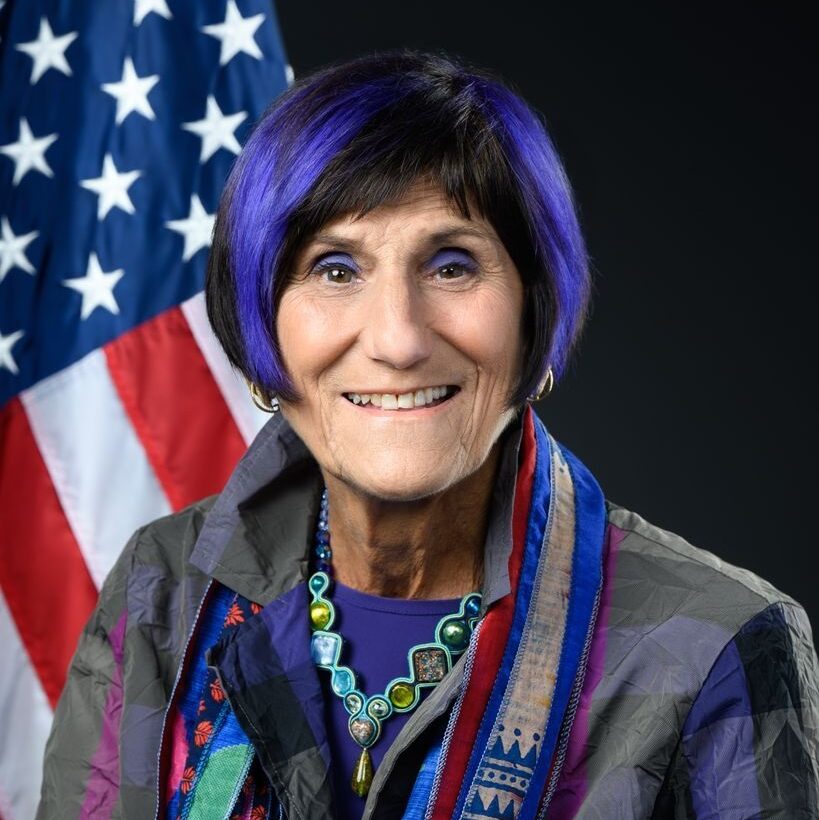
Congresswoman Rosa L. DeLauro
Congresswoman Rosa L. DeLauro
Rosa DeLauro is the Congresswoman from Connecticut’s Third Congressional District, which stretches from the Long Island Sound and New Haven, to the Naugatuck Valley and Waterbury. Rosa serves as Ranking Member of the House Appropriations Committee and sits on the Democratic Steering and Policy Committee, and she is the Ranking Member of the Labor, Health and Human Services, and Education Appropriations Subcommittee, where she oversees our nation’s investments in education, health, and employment.
At the core of Rosa’s work is her fight for America’s working families. Rosa believes that we must raise the nation’s minimum wage, give all employees access to paid sick days, allow employees to take paid family and medical leave, and ensure equal pay for equal work. Every day, Rosa fights for legislation that would give all working families an opportunity to succeed.
Rosa believes that our first priority must be to strengthen the economy and create good middle class jobs. She supports tax cuts for working and middle class families, fought to expand the Child Tax Credit to provide tax relief to millions of families, and introduced the Young Child Tax Credit to give families with young children an economic lift.
Rosa has also fought to stop trade agreements that lower wages and ships jobs overseas, while also protecting the rights of employees and unions. She believes that we need to grow our economy by making smart innovative investments in our infrastructure, which is why she introduced legislation to create a National Infrastructure bank. Rosa is a leader in fighting to improve and expand federal support for child nutrition and for modernizing our food safety system. She believes that the U.S. should have one agency assigned the responsibility for food safety, rather than the 15 different agencies that lay claim to different parts of our food system. Rosa fights against special interests, like tobacco and e-cigarettes, which seek to skirt our public health and safety rules.
As the Ranking Member dealing with appropriations for Labor, Health, Human Services, and Education, Rosa is determined to increase support for education and make college more affordable for more American students and their families. She is also fighting to protect the Affordable Care Act so that all Americans have access to affordable care. Rosa strongly believes in the power of biomedical research and she is working to increase funding so that we can make lifesaving breakthroughs in science and medicine.
Rosa believes that we have a moral obligation to our nation’s veterans and their families, and her concern for these heroes extends to both their physical and mental well-being. Rosa supports a transformation in how the Department of Veterans Affairs is funded, including advanced appropriations for health services, to ensure its fiscal soundness; and she successfully championed legislation to guarantee that troops deploying to combat theaters get the mental health screening they need both before and after deployment, as well as championed legislation that now provides assistance to today’s Post-9/11 veterans choosing to pursue on-the-job training and apprenticeship programs.
Rosa belongs to 62 House caucus groups and is the co-chair of the Baby Caucus, the Long Island Sound Caucus, and the Food Safety Caucus.
Soon after earning degrees from Marymount College and Columbia University, Rosa followed her parents’ footsteps into public service, serving as the first Executive Director of EMILY’s List, a national organization dedicated to increasing the number of women in elected office; Executive Director of Countdown ’87, the national campaign that successfully stopped U.S. military aid to the Nicaraguan Contras; and as Chief of Staff to U.S. Senator Christopher Dodd. In 1990, Rosa was elected to the House of Representatives, and she has served as the Congresswoman from Connecticut’s Third Congressional District ever since.
Rosa is married to Stanley Greenberg. Their children—Anna, Kathryn, and Jonathan Greenberg—all are grown and pursuing careers. Rosa and Stan have six grandchildren, Rigby, Teo, Sadie, Jasper, Paola and Gus.
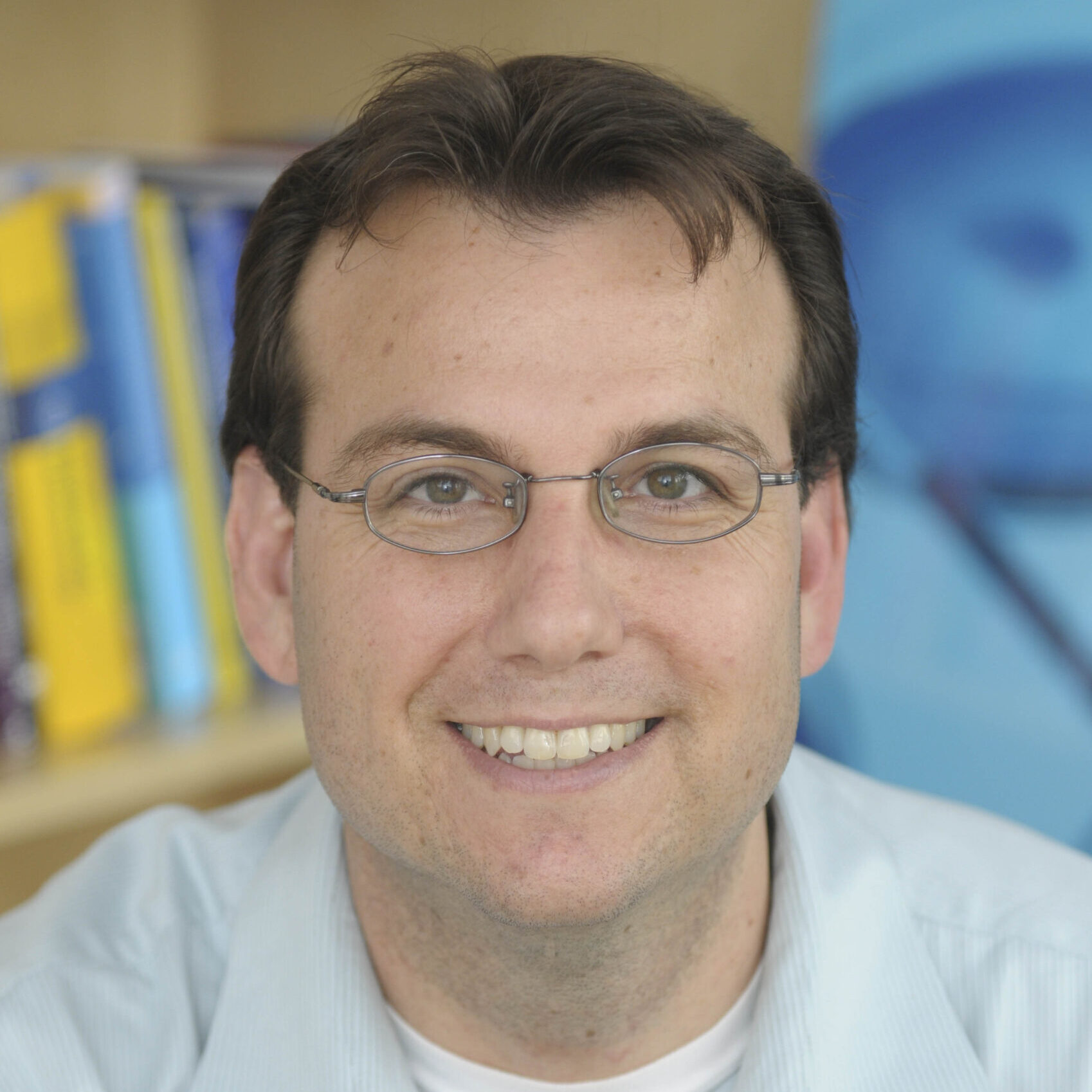
James Dziura, MPH, PhD
James Dziura, MPH, PhD
James “Jim” Dziura is a Professor in the Department of Emergency Medicine at Yale School of Medicine. As a biostatistician at Yale since 2002, he has co-authored more than 200 peer-reviewed articles with a diverse group of Yale investigators. Dr. Dziura also serves as the Deputy Director of both the Yale Center for Analytical Sciences (YCAS) and the Yale Data Coordinating Center (YDCC) in the Yale School of Public Health. He has been active in training young investigators, both individually (as a mentor and statistical resource for K-awardees, post-doctoral fellows, residents and Master’s students) and in the classroom (where he has developed a graduate-level course and several workshops on biostatistics in clinical research).
Dr. Dziura’s primary research interests are in the coordination of multicenter clinical trials. Over the past ten years he has overseen data coordinating and biostatistical efforts for several trials. Notably, he served as the PI of the data coordinating center for the RUPP Autism Network study of Guanfacine for the treatment of hyperactivity. He is the Director of the Data Coordinating Center for the Autism Biomarkers Consortium for Clinical Trials (ABC-CT), a multicenter longitudinal study developing reproducible experimental biomarkers (e.g. from EEG, eye tracking) for use as stratification factors and outcomes in clinical trials. He is a senior biostatistician (and unblinded statistician for the Data and Safety Monitoring Board (DSMB)) for the Data Coordinating Center of a large pragmatic cluster-randomized trial for the prevention of serious fall injuries (STRIDE) in 6,000 older persons from 86 health care practices.
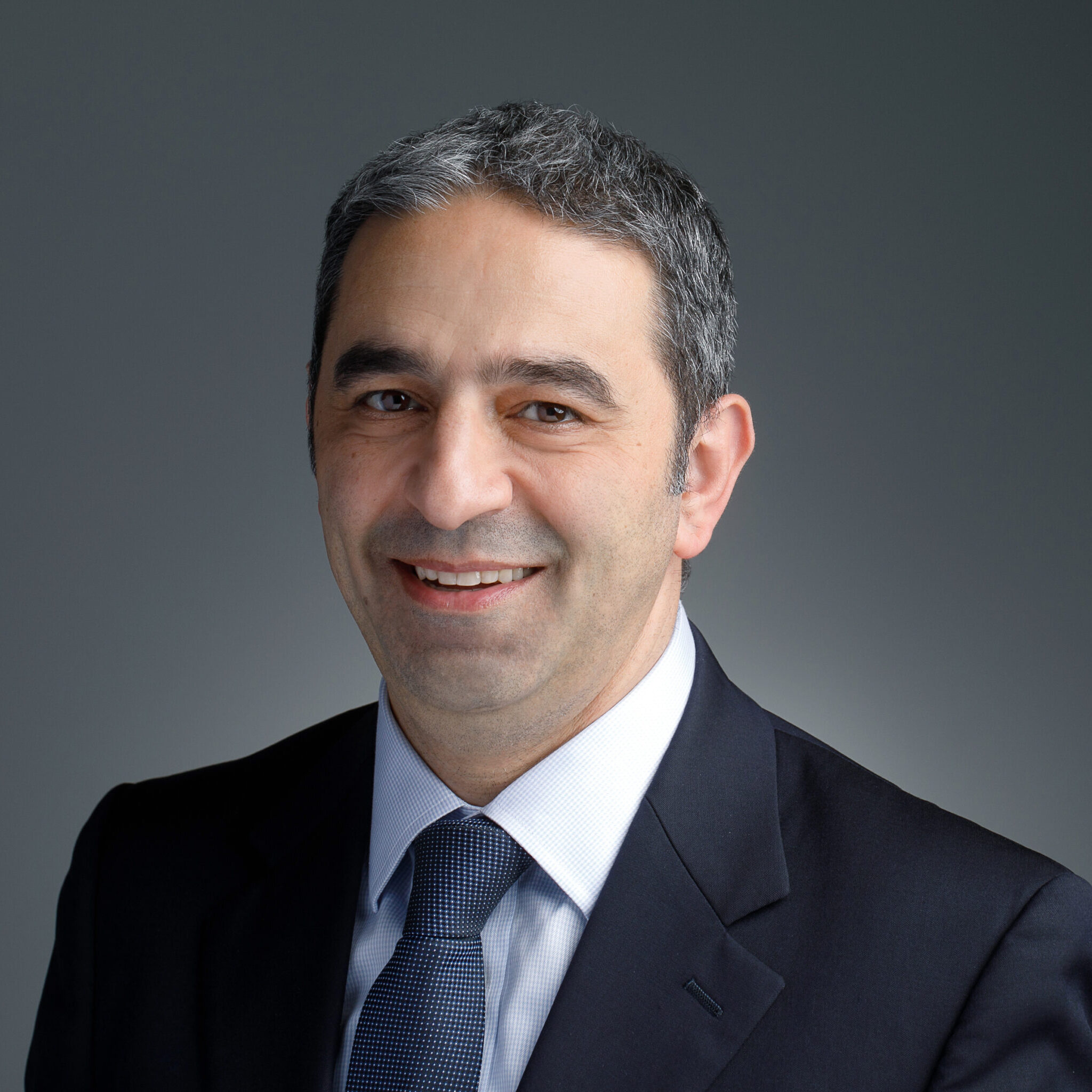
Georges El Fakhri, PhD
Georges El Fakhri, PhD
Dr. Georges El Fakhri is the Elizabeth Mears and House Jameson Professor in the Department of Radiology and Biomedical Imaging, and the Department of Bioinformatics and Data Sciences at Yale School of Medicine. He is the Vice-Chair for Scientific Research in Radiology and the Director of the Yale Biomedical Imaging Institute at Yale University. Dr El Fakhri is an internationally recognized expert in quantitative molecular imaging (SPECT, PET-CT, and PET-MR) for in vivo assessment of patho-physiology in brain, cardiac and oncologic diseases. Current areas of research include high resolution PET/MR imaging in a range of diseases including neurodegenerative disease (amyloid and neurofibrillary tangles), cardiac disease (mitochondrial membrane potential), as well as guiding radiotherapy planning and theranostics (PET/MRSI).
Dr. El Fakhri has authored or co-authored over 300 papers and mentored over 100 students, post-docs and faculty. He has received many awards and honors, including the Mark Tetalman Award from the Society of Nuclear Medicine, the Dana Foundation Brain and Immuno-Imaging Award, the Howard Hughes Medical Institutes Training Innovation Award, The Hoffman Award, as well as significant funding from many NIH Institutes (e.g., NCI, NHLBI, NIA, NIBIB, NINDS, OD). He was elected Fellow to the American Association of Physicists in Medicine (AAPM), the Society of Nuclear Medicine and Molecular Imaging (SNMMI), the American Institute for Medical and Biomedical Engineering (AIMBE), The International Academy of Medical & Biological Engineering (IAMBE), the IEEE, and the Connecticut Academy of Science and Engineering for contributions to quantitative biological imaging.

Jessica Federer, MPH
Jessica Federer, MPH
Jessica Federer is an investor, board member, and a globally recognized leader in digital transformation, health technologies, and women’s health. She is the Managing Director for The Women’s Health Fund. Previously, she was the Chief Digital Officer for one of the world’s largest life sciences companies, leading the enterprise-wide digital transformation for Bayer A.G. across the Pharmaceutical, Consumer Care, Crop Science, and Animal Health businesses. She was the first woman to hold this role in the pharma industry globally. She is an external senior advisor for McKinsey and has advised both Fortune Global 100 companies and industry disrupting start-ups. Federer also serves on the board of Angelini Ventures, a Rome-based fund investing in biotech and digital health and was previously a partner at an established Boston based VC.
Ms. Federer founded the Health of Women Investor Summit, convening investors representing trillions in investment capital, and serves on both the Yale Ventures Blavatnik Advisor board and the Yale Institutional Review Board. Federer was on the United Nations International Telecommunications Union m-powering development advisory board and the BHP Science and Innovation Advisory Council. She is recognized as a 2023 “Icon” by Rock Health, a Health Equity Champion, and one of the top 100 CDOs. Federer began her public health career at the Agency for Healthcare Research and Quality in the U.S. Department of Health and Human Services. She earned a Bachelor of Science from the George Washington University and a Master of Public Health from Yale.
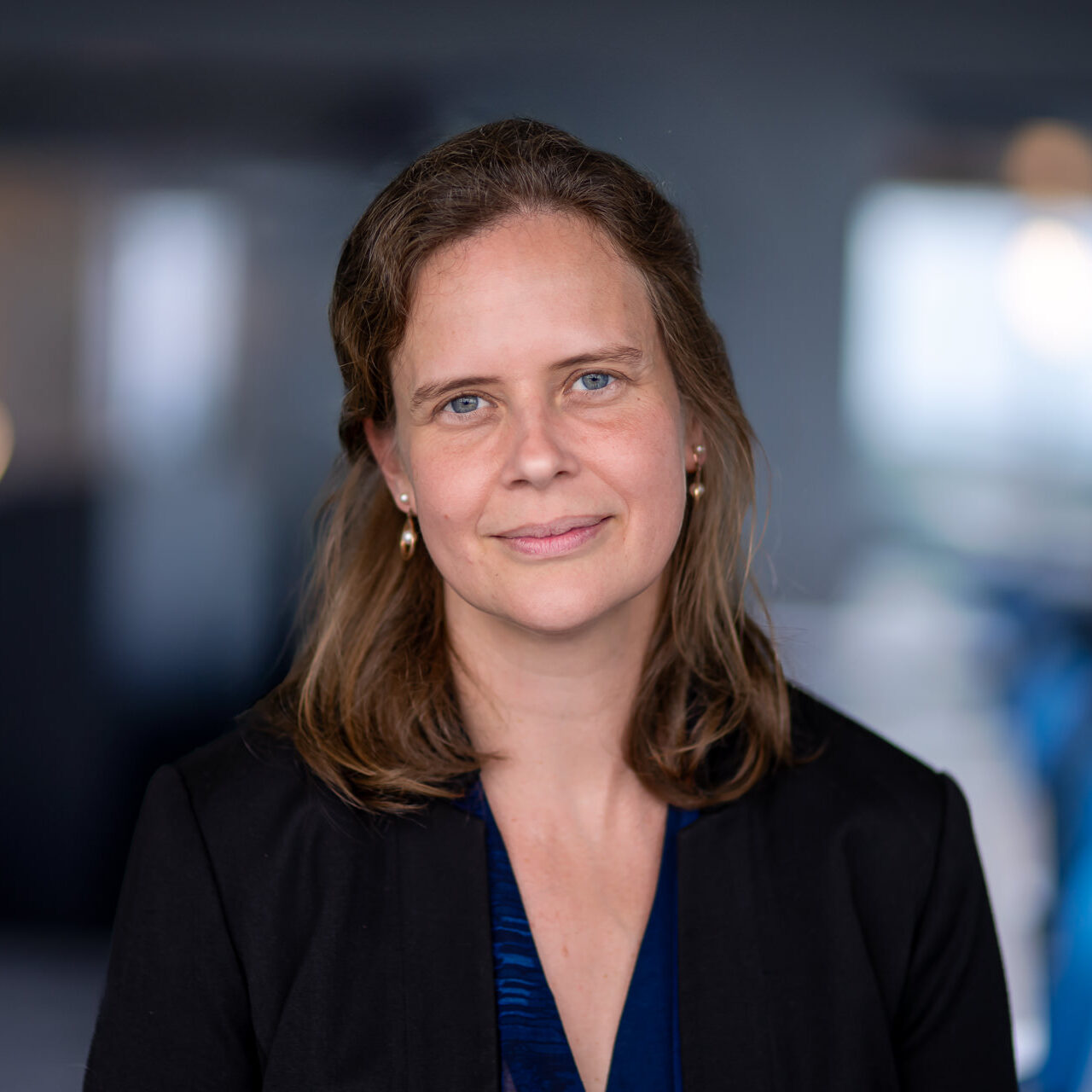
Carolyn Fredericks, MD
Carolyn Fredericks, MD
Carolyn Fredericks studied classics and neuroscience at Brown, then completed her medical training at Stanford, Johns Hopkins, and UCSF, culminating in a behavioral neurology fellowship at the UCSF Memory & Aging Center. There, she gained research experience in advanced neuroimaging in dementia and exposure to patients with a wide variety of cognitive and behavioral concerns, including less common dementia syndromes. She joined the faculty at Yale in Fall 2019, where she established the Fredericks Lab, focused on understanding why some individuals are at greater risk of dementia, and how diseases including Alzheimer’s progress through functional networks in the brain. She is a member of Yale’s Clinical Neuroscience Imaging Center (CNIC), a multidisciplinary group applying innovative imaging methods to the study of brain disease. Clinically, Dr. Fredericks specializes in the diagnosis and treatment of neurodegenerative disorders. In 2025, Dr. Fredericks was appointed Co-Chair of Women’s Health Research at Yale’s Scientific Review Committee alongside Dr. Stacy Malaker.
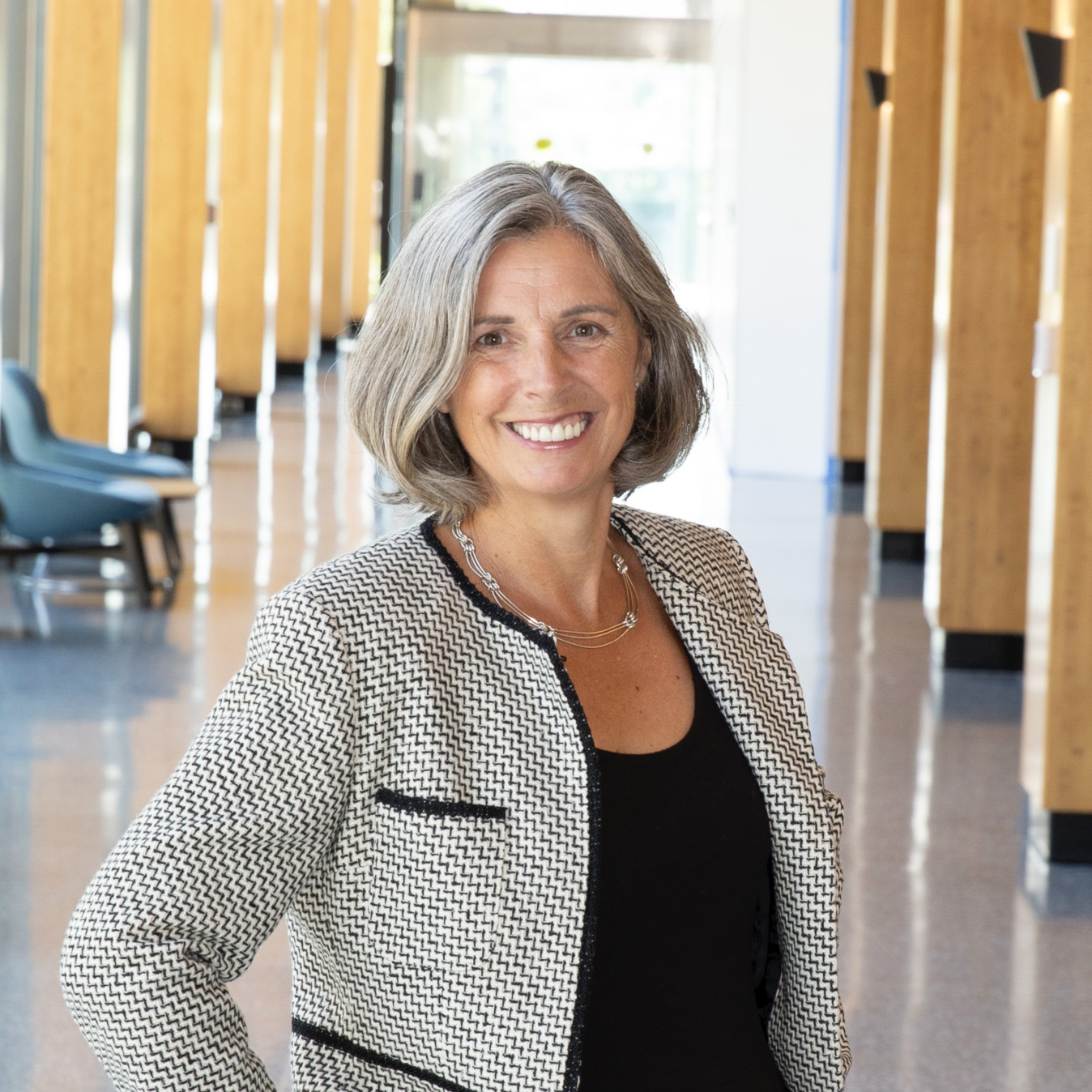
Morag Grassie, PhD
Morag Grassie, PhD
Dr. Morag Grassie is the Executive Director of the Blavatnik Fund for Innovation, previously serving as its Associate Director. Morag has over 30 years of experience in the pharma industry, entrepreneurship, and academic research. After graduating from Glasgow University with a BSc in molecular biology and Ph.D. in virology, she held positions in the pharmaceutical industry and a Yale biotech startup before joining Yale in 2018. Prior to this appointment, she was the Senior Associate Director for the Blavatnik Fund for Innovation at Yale and Associate Director, Business Development. She has advised, expanded, and advanced the portfolio of Blavatnik proposals and projects and using her passion for people and curiosity for knowledge extended her role in 2022 to include business development, with a special interest in under-represented groups. In this area, she co-founded amplifyHERscience in 2020, an initiative within Yale Ventures to advance parity of Yale entrepreneurs to reflect the diversity of the community and ensure innovation support is utilized by all.
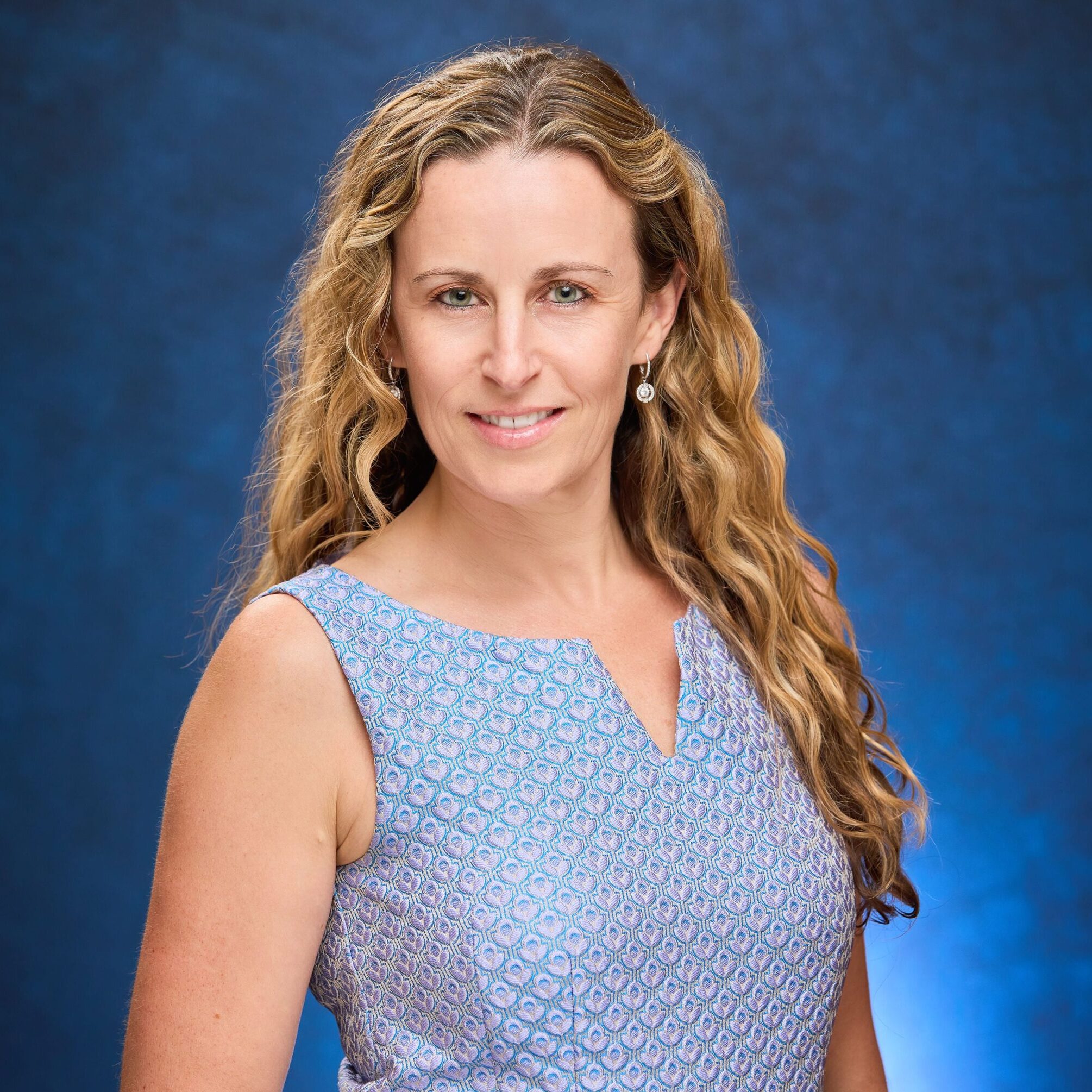
Nicole C. Kleinstreuer, PhD
Nicole C. Kleinstreuer, PhD
Nicole C. Kleinstreuer, PhD, is the NIH Deputy Director for Program Coordination, Planning, and Strategic Initiatives. In this role, she leads the Division of Program Coordination, Planning, and Strategic Initiatives (DPCPSI) within the National Institutes of Health (NIH) Office of the Director, which oversees trans-NIH programmatic research and strategic policy initiatives, including the NIH Common Fund and offices focused on women’s health, data science, AIDS research, disease prevention, behavioral and social sciences, dietary supplements, and tribal health, among others.
Dr. Kleinstreuer is internationally recognized for her leadership in developing innovative, human-relevant research strategies that advance public health protection. Prior to her current position, she served as Director of the National Toxicology Program Interagency Center for the Evaluation of Alternative Toxicological Methods (NICEATM), within the National Institute of Environmental Health Sciences (NIEHS). She also served as Executive Director of the congressionally mandated Interagency Coordinating Committee on the Validation of Alternative Methods (ICCVAM) and as the US National Co-Coordinator for the Organization for Economic Cooperation and Development (OECD) Test Guidelines Programme. In these roles, she led interagency and international efforts to promote new approach methodologies (NAMs), reduce animal testing, and integrate computational modeling, artificial intelligence, and systems toxicology into regulatory science. Her work spans translational bioinformatics, predictive modeling, and quantitative risk assessment. She has authored over 150 peer-reviewed publications and received numerous honors, including the 2019 Society of Toxicology Achievement Award and the 2025 Enhancement of Animal Welfare Award, as well as multiple NIH Director’s and NIEHS Merit Awards.
Dr. Kleinstreuer holds BS degrees in biomedical engineering and applied mathematics from the University of North Carolina at Chapel Hill and a PhD in bioengineering from the University of Canterbury. She completed postdoctoral training in computational toxicology at the U.S. Environmental Protection Agency and held adjunct faculty appointments at Yale University and UNC Chapel Hill. She is deeply committed to mentorship, public health protection, and scientific innovation that enhances the translation of biomedical research to real-world impact.
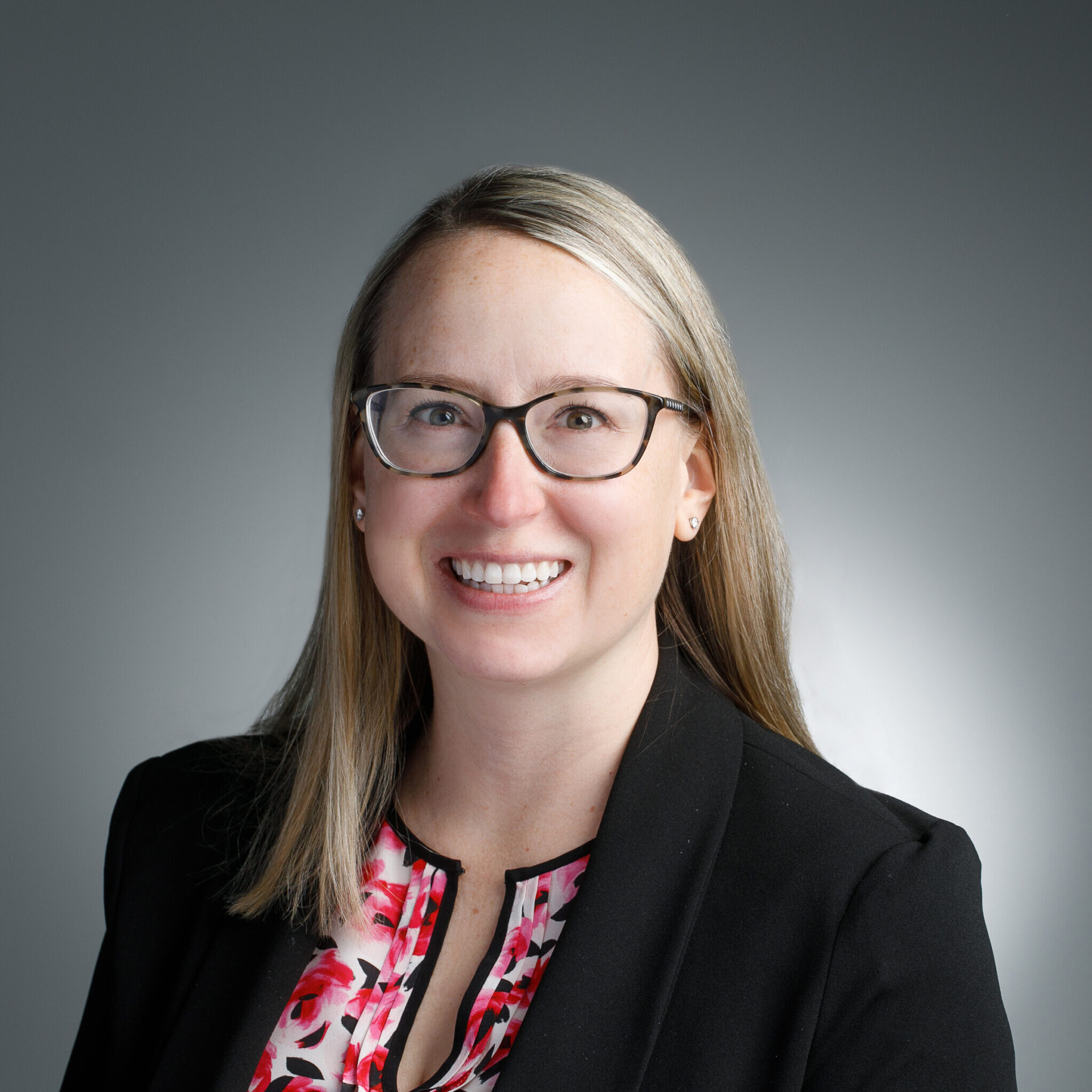
Sara Luciano
Sara Luciano
Sara Luciano joined Women’s Health Research at Yale as Communications Officer in January 2024, bringing nearly 20 years of experience in communications roles of increasing responsibility in both agency and nonprofit settings. Notably, Sara led media relations efforts for the Congressional Gold Medal Ceremony honoring the Women Airforce Service Pilots of World Word II, the dedication of the Martin Luther King, Jr. Memorial on the National Mall in 2011, and authored Growing Up Rural in America during her time as Director of Media and Communications for U.S. Programs & Advocacy at Save the Children. She has secured interviews and placed stories in a variety of outlets including The New York Times, National Public Radio, NBC Nightly News, The Wall Street Journal, Good Morning America, The Associated Press, CBS Sunday Morning, The Mini Page, Real Simple, USA Today, Axios, and front page coverage in more than three dozen top dailies.
At Women’s Health Research at Yale, Sara works closely with the Director and team improve the lives of women and men through collaborations to achieve scientific discovery, education, translation, and dissemination. She plays an integral role in the dissemination pillar of the Center’s strategic plan, leading the development and production of Innovations in Women’s Health, managing the Center’s social media presence and engagement, and collaborating with colleagues across Yale to keep women’s health research front and center. In 2014, Washington Women in Public Relations named Sara as an Emerging Leader Awards honoree. Sara earned a Bachelor of Arts in political communication and journalism from The George Washington University.

Betsy McKay
Betsy McKay
Betsy McKay is a senior writer who covers public health and medicine for The Wall Street Journal. Her stories examine how health policies, discoveries, and practices shape and challenge society and affect individuals’ health. She writes about cutting-edge scientific research, and prevention and patient care for heart disease, cancer, mental health, infectious diseases, and other conditions globally.
Betsy, a Russian speaker, won a Pulitzer Prize in 1999 for coverage of Russia’s financial crisis. She has won awards for stories on drug-resistant tuberculosis, maternity care in the rural U.S., Covid-19, and other public health issues. A series she co-authored last year on psychiatric medication has won four awards.
Lubna Pal, MD, MSc
Lubna Pal, MD, MSc
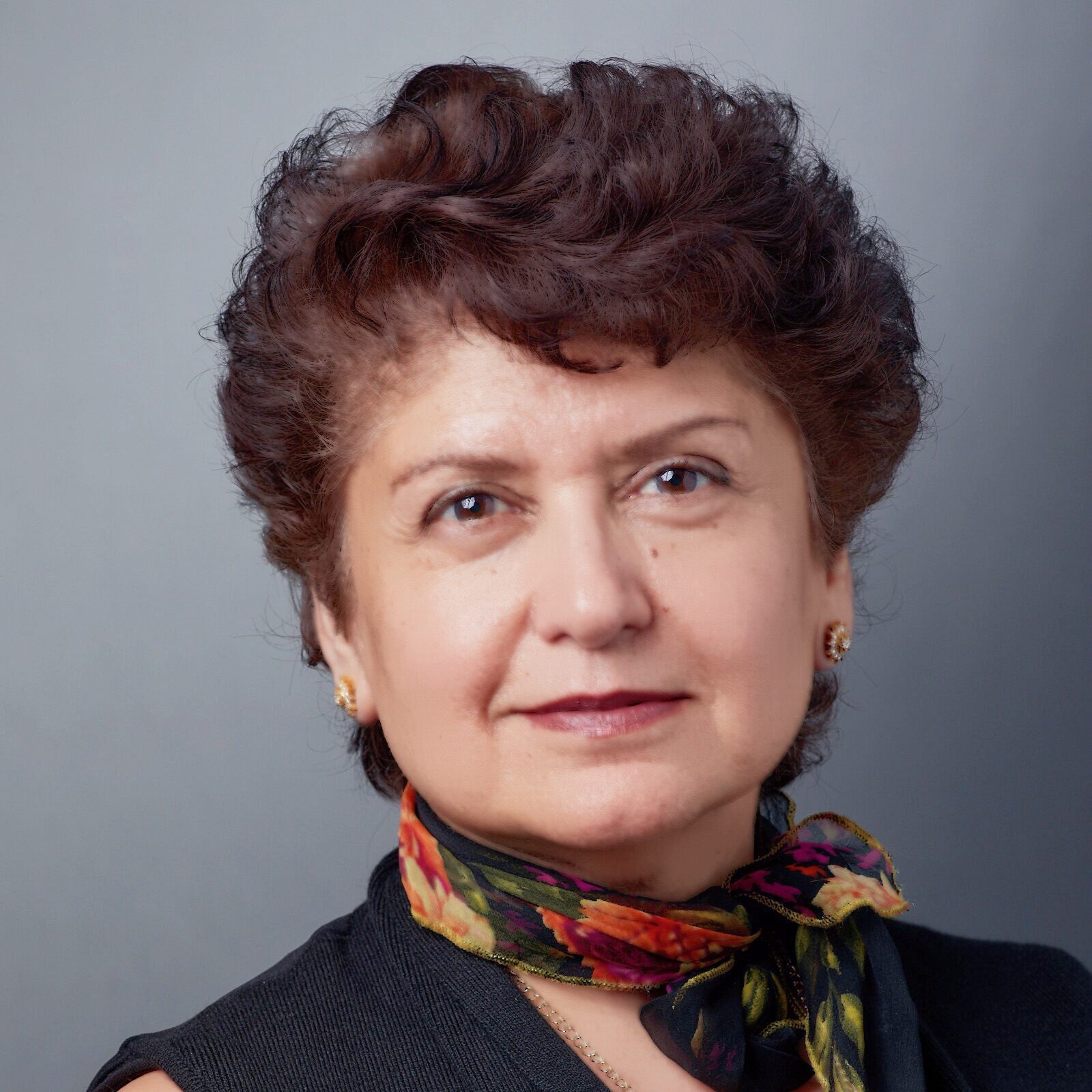
Dr. Lubna Pal is a Professor of Obstetrics & Gynecology, Fellowship Director for the Reproductive Endocrinology & Infertility fellowship program for the department of Obstetrics, Gynecology & Reproductive Sciences at Yale School of Medicine. Dr. Pal received her medical degree (MBBS) from Dow Medical College in Karachi, Pakistan, and postgraduate training in the United Kingdom (FRCOG) becoming pursuing subspecialty training in the United States. She received dual fellowship training in Reproductive Endocrinology & Infertility at Massachusetts General Hospital, Boston and the Albert Einstein College of Medicine, New York, holds a Master’s degree in Clinical Research from the Yeshiva University, New York. She is a Fellow of the Royal College of Obstetricians & Gynecologists (United Kingdom) and of the American College of Obstetricians & Gynecologists.
Dr. Pal is a recipient of multiple awards for clinical excellence, teaching and for clinical research, has published in numerous scientific journals, is on the editorial board of reputable peer review journals in the field of Menopause, has edited multiple books in the field of Reproductive Endocrinology and is recognized nationally and internationally for her commitment to reproductive wellness and patient wellbeing and for her work in the field of reproductive aging and health. Dr. Pal is board certified in Ob/Gyn and Reproductive Endocrinology and Infertility. She is a member of the American Society for Reproductive Medicine, the Endocrine Society and the North American Menopause Society.
Dr. Pal’s clinical and research interests include female infertility, reproductive aging and polycystic ovary syndrome (PCOS). Her research has focused on improving our understanding of underpinnings to and consequences of diminished ovarian reserve in reproductive age women, and of relevance of vitamin D for reproductive physiology. She is the director of two clinical programs at Yale Reproductive Endocrinology: Program for Polycystic Ovary Syndrome and the Menopause Program.

Lucy Pérez, PhD
Lucy Pérez, PhD
Lucy Pérez is a Senior Partner in McKinsey & Company’s Boston office, Global Leader of the McKinsey Health Institute, and a leader of the Life Sciences practice. She advises CEOs and teams at leading organizations globally on growth strategy, innovation, sustainability, and organizational transformation. Lucy is especially passionate about leveraging advancements in science and technology to transform patient care delivery and health outcomes. A former cancer researcher at Memorial Sloan-Kettering Cancer Center, she brings a strong technical background to her work with organizations across the healthcare sector. Lucy also co-leads McKinsey’s Hispanic and Latino Network for colleagues who identify as Hispanic, Latino, or allies, and sponsors research on Latino economic mobility.
At the McKinsey Health Institute, Lucy spearheads efforts to advance health equity, including a collaboration with the World Economic Forum on the $1 trillion health and economic opportunity to close the women’s health gap. This seminal research has reached millions, received a Presidential Award from the American Medical Women’s Association, and is driving action among stakeholders across the globe.
Beyond her work at McKinsey, Lucy is a board member of MassBio and the Massachusetts Business Roundtable and sits on the advisory board for the Aspen Institute’s Latinos in Society program and the Women’s Health Innovation Summit. Lucy was elected one of Amplify LatinX’s inaugural LatinX 100 Leaders and named one of ALPFA’s 50 Most Powerful Latinas in 2023. She was awarded the Pinnacle Award by the Boston Chamber of Commerce in 2024, which recognizes women leaders who are changing Greater Boston through leadership excellence in entrepreneurship, management and lifetime achievement.
Lucy holds a bachelor’s degree and doctorate degree in Chemistry from Harvard University. She is an avid traveler, amateur photographer, and a co-inventor on multiple patents.

Miriam Sabin, PhD
Miriam Sabin, PhD
Miriam Sabin is The Lancet’s North American Senior Executive Editor, based in New York City, where she has been with the journal since 2020, and oversees The Lancet’s North American acquisition strategy. Miriam is a social scientist and applied epidemiologist by training and was in global health prior to coming to The Lancet. Miriam lived for 13 years in Europe from 2008-2020 where she worked primarily in Geneva at the WHO, along with the Global Fund, and UNAIDS.
Before 2008, Miriam was at the CDC, first as a postdoctoral fellow in the CDC’s Epidemic Intelligence Service, and then as a Senior Scientist in the U.S. Public Health Service Commissioned Corps in the CDC’s Division of Viral Hepatitis and the Division of Global HIV/AIDS under PEPFAR I. Dr. Sabin has also lived and worked in Tunisia, Bangladesh, and Brazil, and provided technical assistance in many countries for PEPFAR, WHO, UNAIDS and the Global Fund. She holds a PhD in Social Work from the University of Georgia, where she was also an Assistant Professor, a MSc in Social Work from Columbia University, and a BA in English literature from the University of Wisconsin-Madison.
Basmah Safdar, MD, MSc
Basmah Safdar, MD, MSc
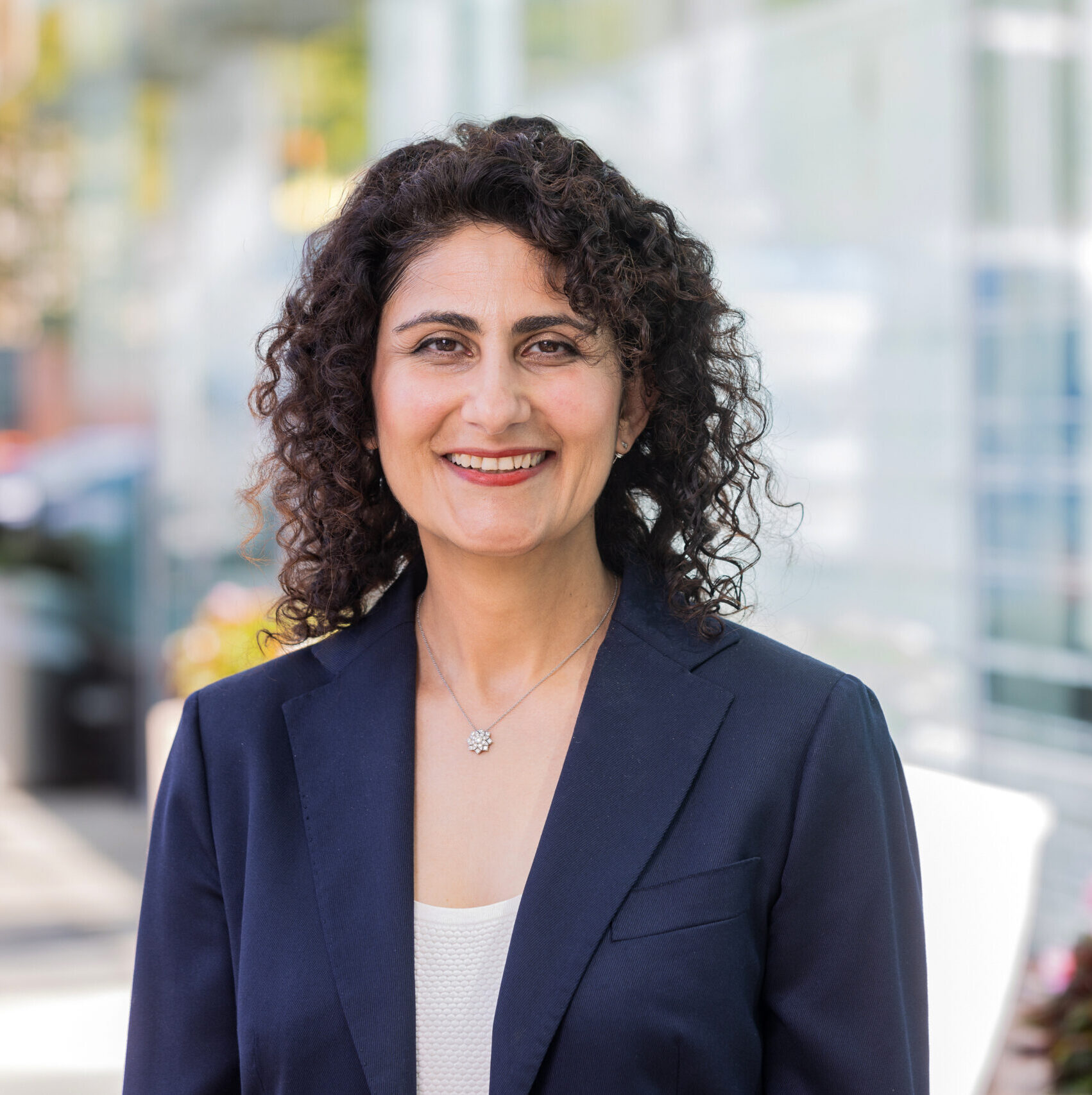
Basmah Safdar, MD, MSc, is an emergency medicine physician and internationally recognized sex-specific researcher on microvascular health and sepsis. She is the Norma Weinberg Spungen and Joan Lebson Bildner Professor in Women’s Health Research and Director of Women’s Health Research at Yale — an interdisciplinary research center dedicated to improving the lives of women and men through scientific discovery, education, translation, and dissemination. Dr. Safdar established the Women’s Health Research at Yale Collaborative, coalescing more than 200 members across Yale, representing 10 schools and 34 departments, committed to and advancing women’s health research. Since 1998, the center has been an incubator of discovery into health conditions that differently, disproportionately, and distinctly affect women, driving innovation and impact. Investments in Women’s Health Research at Yale’s Pilot Projects have yielded a 20-fold ROI, demonstrating value creation and scalable platforms.
Dr. Safdar applies a systems lens with her clinical, academic, and leadership expertise to inspire innovation and improve outcomes. She is past president of the Academy of Women in Academic Emergency Medicine (AWAEM), a 2024 ELAM Fellow, and recipient of the 2026 Advancement of Women in Academic Emergency Medicine National Award from the Society for Academic Emergency Medicine.
Dr. Safdar is a sought-after women’s health expert and has been interviewed by leading publications including The New York Times, NPR, Politico, The Wall Street Journal, WTNH, and beyond and joined national stages to demystify women’s health based on biology. She completed her MD at Aga Khan University (Pakistan), residency and chief residency at Yale, and earned MSc from Harvard.

Sean Scanlon
Sean Scanlon
Sean Scanlon began his term as Connecticut’s 67th State Comptroller in 2023.
The son of a police officer and small business owner, Sean attended Guilford public schools and worked his way through high school and Boston College.
From 2015 to 2023, Sean served as the State Representative for the 98th District in the Connecticut General Assembly. As chairman of the legislature’s Insurance Committee, Sean wrote and passed legislation protecting people with pre-existing conditions from insurance discrimination, established the lowest monthly co-pay cap for insulin in the nation at $25, prevented insurance companies from covering mental health differently than physical health, required health insurance plans to cover ten “Essential Health Benefits,” and created Connecticut’s first prescription drug price transparency law. During his fourth and final term, Sean served as Chair of the Finance, Revenue and Bonding committee where he led the fight to create tax relief for working families and worked with Governor Lamont to pass the largest tax cut in state history.
During his first term as Comptroller, Sean successfully reformed Connecticut’s municipal and disability pension systems, strengthened the benefits of first responders, created the state’s first prescription drug discount card, dramatically expanded enrollment Connecticut’s small business retirement plan MyCTSavings and championed efforts to make health care more accessible and affordable.
Sean lives in Guilford with his wife Meghan, who is the President & CEO of the Connecticut Coalition Against Domestic Violence, and their two sons.
Kathryn G. Schubert, MPP, CAE
Kathryn G. Schubert, MPP, CAE
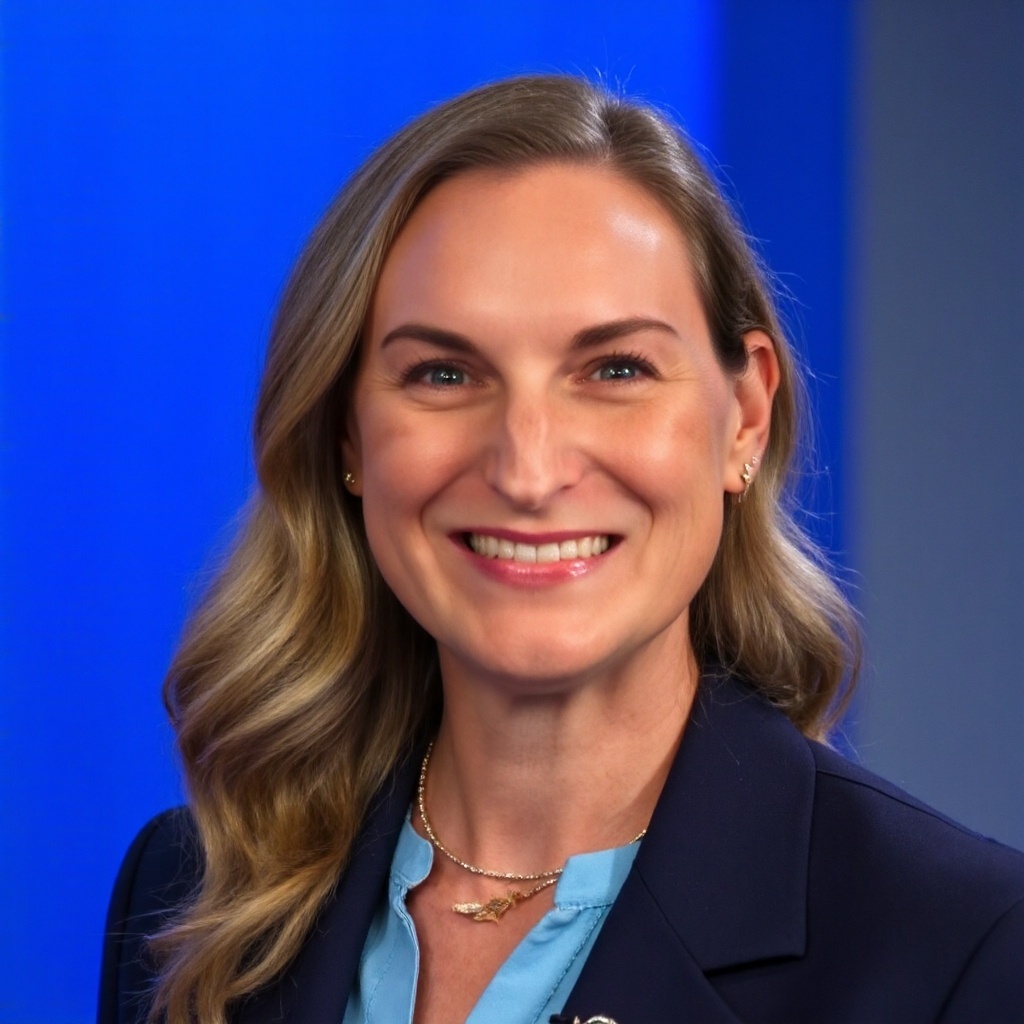
Kathryn “Katie” Schubert has served as President & CEO of the Society for Women’s Health Research (SWHR) since April 2020. She is a trusted leader and consensus builder among women’s health stakeholders, and previously served as chief advocacy officer at the Society for Maternal-Fetal Medicine (SMFM). Schubert began her career on Capitol Hill and subsequently advised organizations on policy strategy in the healthcare space. She is a board member of the National Health Council, Maternal Mental Health Leadership Alliance, and ASPN Foundation. She is a previous president of Women in Government Relations, and in 2020 was named Advocate of the Year by Professional Women in Advocacy for her work on inclusion of pregnant and lactating populations in research, and in 2024 and 2025 was named as one of the most influential people shaping policy in health care by the Washingtonian magazine. Schubert holds a bachelor’s degree from Mary Washington College and a master’s degree from the George Washington University. When not advocating for women’s health, she’s spending time with her husband, three kids, and dog George.
Rajita Sinha, PhD
Rajita Sinha, PhD
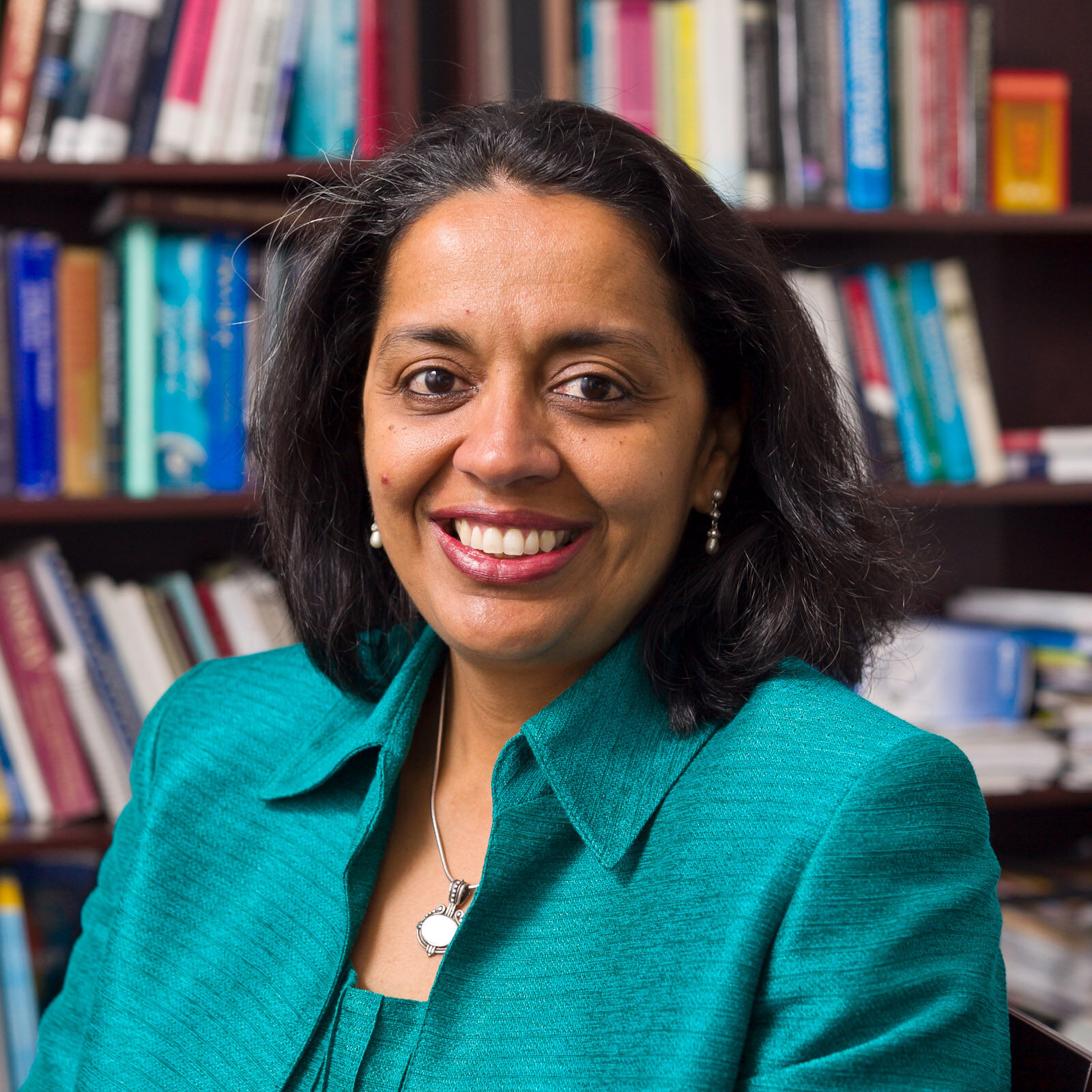
Rajita Sinha, PhD, is the Foundations Fund Endowed Professor in Psychiatry, and Professor in Neuroscience and in Child Study at the Yale University School of Medicine. She is a licensed Clinical Psychologist and Clinical Neuroscientist, Deputy Chair of Psychiatry for Psychology and Chief of the Psychology Section in Psychiatry. She is the founding director of the Yale Interdisciplinary Stress Center that focuses on understanding the neurobiology and psychology of stress, trauma and resilient versus vulnerable biobehavioral coping mechanisms that promote neuropsychiatric diseases such as alcohol use disorders, substance use disorders, chronic pain, PTSD and other chronic diseases.
Dr. Sinha has developed novel stress, pain, and craving provocation paradigms to understand mechanisms that drive these states and related pathologies and their impact on clinical addiction outcomes in alcohol use disorder, substance use disorders, and related conditions. Her lab also develops and tests novel pharmacologic and integrative behavioral approaches to address chronic stress and addiction relapse risk to improve addiction treatment outcomes. These objectives are being accomplished through a series of NIH funded research projects and she has published widely on these topics. She is the 2020 recipient of the Research Society on Alcoholism’s Distinguished Researcher Award, and the 2020 recipient of the James Tharpe Award for outstanding contributions to Addiction Research. She has served on many NIH special emphasis panels, review committees and workshops, presented at numerous national and international conferences, and her

Ebong Udoma
Ebong Udoma
As WSHU Public Radio’s award-winning senior political reporter, Ebong Udoma draws on his extensive tenure to delve deep into state politics. In addition to providing long-form reports and features for WSHU, he regularly contributes spot news to NPR and has worked at the NPR National News Desk as part of NPR’s diversity initiative.
Ebong has covered presidential visits and high-profile political races such as former wrestling executive Linda McMahon’s two unsuccessful bids for the U.S. Senate. He has also reported on several state and municipal corruption trials in Connecticut, including one that led to the resignation of former Governor John Rowland. Ebong keenly follows developments with Native American tribes in Connecticut and produced an award-winning feature on the Mashantucket Pequot Tribal Nation.
Ebong recently returned from his native Nigeria, where he spent a year helping to establish the international media network Gotel Africa. During his time there, he trained and managed local reporters and covered major stories, such as the presidential election in Nigeria and the government’s offensive against Boko Haram.
Prior to joining WSHU in 1994, Ebong was an award-winning reporter with the Connecticut Post. He also covered political transitions in Nigeria in 1993 and 1999 for Pacifica Network News.
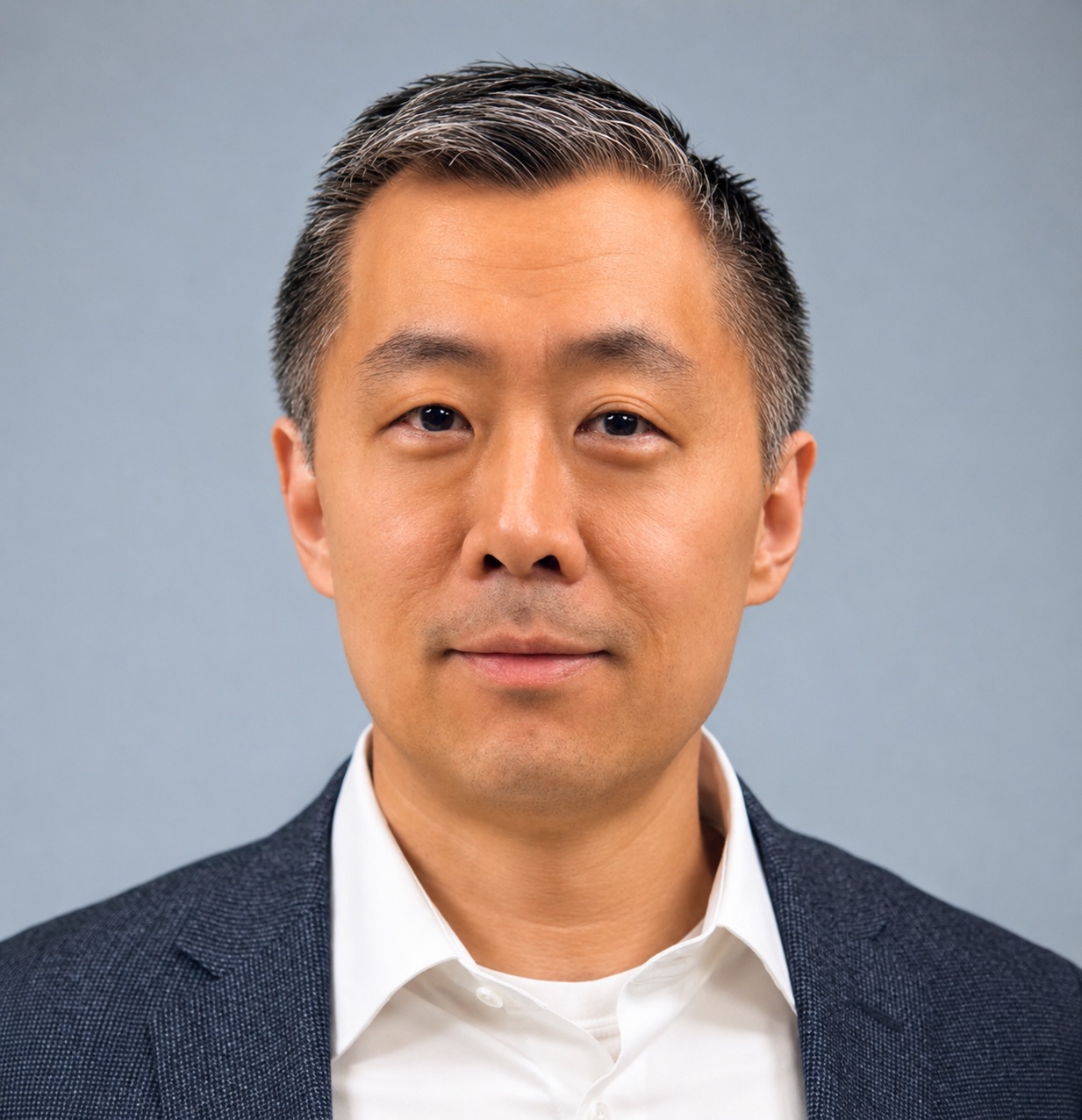
Chao Zheng, PhD
Chao Zheng, PhD
Chao Zheng is a Director in CMC (Chemistry, Manufacturing, and Controls) Development at Boehringer Ingelheim with over a decade of experience across pharmaceutical R&D, spanning drug discovery, development, project leadership, strategy, and operations.
In addition to his industry role, Chao is an active angel investor, startup mentor, and advocate for life science innovation. He works with early-stage companies across therapeutics, medical devices, and digital health, helping founders navigate scientific and development challenges as they translate promising research into products that improve patient outcomes.
Chao is particularly interested in helping scientists and entrepreneurs bridge the gap between discovery and impact. He holds a PhD in Biochemistry and Structural Biology from Weill Cornell Medical College and completed postdoctoral research at Pfizer.
Scientific Spotlights
Speakers are listed in alphabetical order.
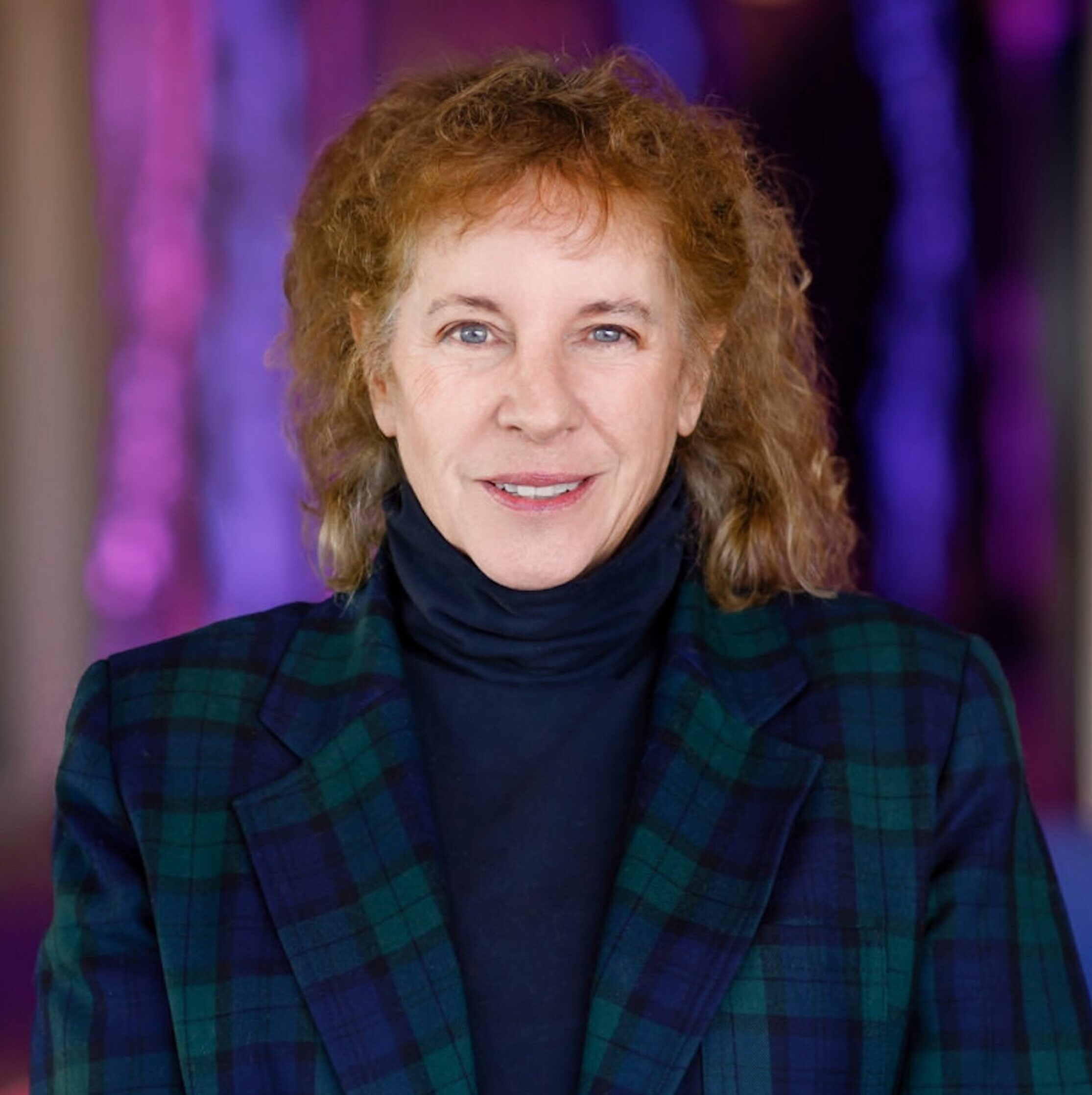
Amy Arnsten, PhD
Amy Arnsten, PhD
Dr. Amy Arnsten is an international expert on the molecular regulation of higher cortical circuits, and a member of the National Academy of Medicine. She received her BA in Neuroscience from Brown University in 1976 (where she created the Neuroscience major), and her PhD in Neuroscience from UCSD in 1981. She did post-doctoral research with Dr. Susan Iversen at Cambridge University in the UK, and with Dr. Patricia Goldman-Rakic at Yale.
Dr. Arnsten’s research examines the neural basis of higher cognition. Her work has revealed that the newly evolved cortical circuits that underlie higher cognition are uniquely regulated at the molecular level, conferring vulnerability in mental illness and age-related cognitive disorders such as Alzheimer’s Disease. Arnsten’s research has led to new treatments for cognitive disorders in humans, including the successful translation of guanfacine (IntunivTM) for the treatment of ADHD and related prefrontal cortical disorders.
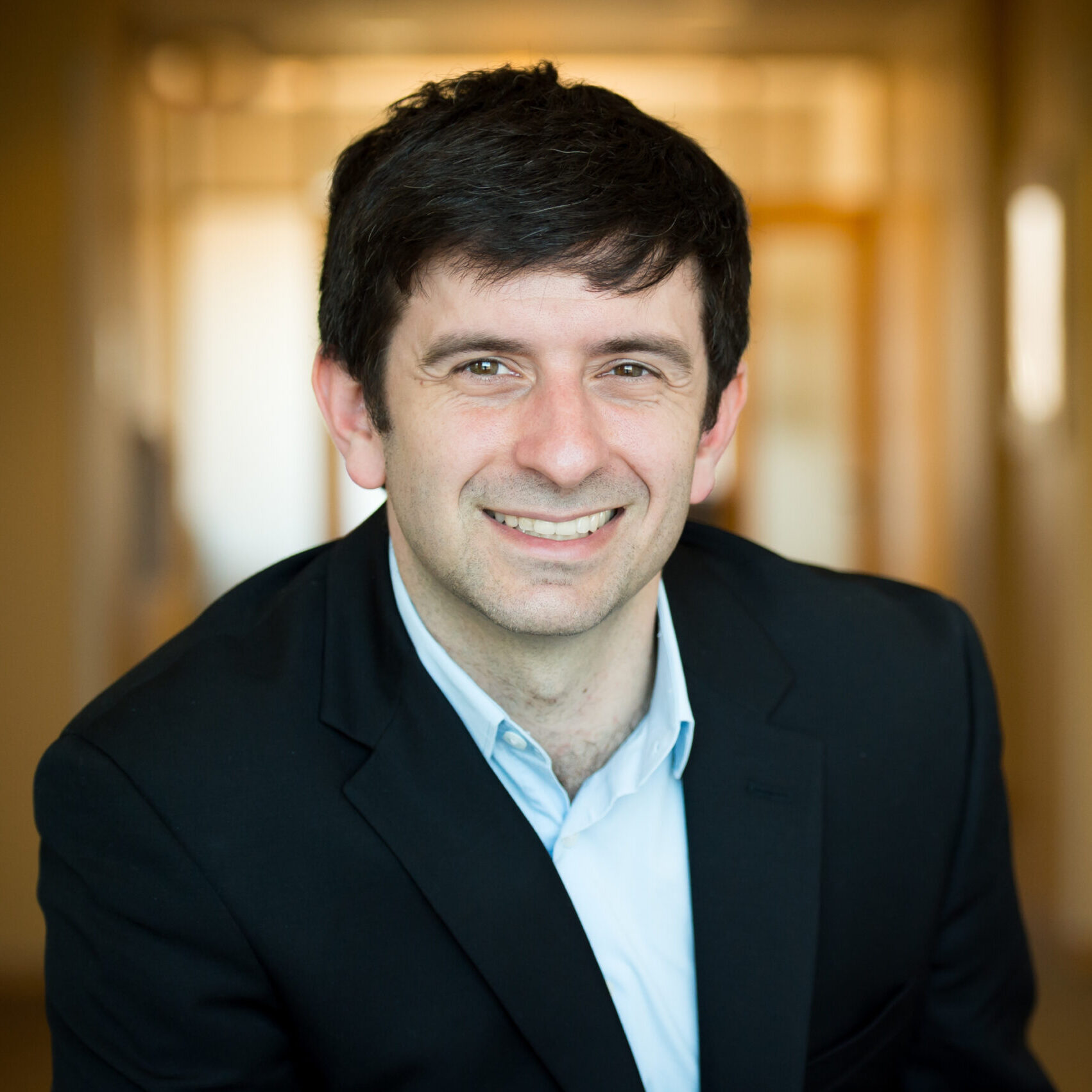
Garrett Ash, PhD
Garrett Ash, PhD
Dr. Garrett Ash is a biomedical informatics researcher and exercise physiologist whose work develops the analytic infrastructure necessary to translate wearable and patient-generated health data into rigorous science and improved clinical care. He holds joint appointments in General Internal Medicine and Biomedical Informatics and Data Science at Yale School of Medicine, with a concurrent appointment as a Research Health Scientist at VA Connecticut Healthcare System.
Dr. Ash’s research program integrates behavioral science, diabetes technology, and computational methods to address a foundational problem in digital health: how to make data from continuous glucose monitors, insulin pumps, and wearable activity sensors analytically tractable, clinically meaningful, and reusable across studies. His federally funded research portfolio spans NIDDK, VA, and foundation mechanisms, including an active K01 career development award and multiple R01 applications under review. Recent collaborations have produced co-authored work in Cell on AI-based digital phenotyping from wearables, in JAMA Network Open on a wearable-supported behavioral randomized trial, and in Human Factors in Healthcare on integrated visualization of patient-generated health data.
A defining theme of Dr. Ash’s career has been leadership in standards development for digital health data. He authored the first international consensus standard for wearable devices in sport and exercise medicine (Sports Medicine, 2021) and currently contributes to standards-setting bodies including the IEEE working group on sport tracking technologies, the International Society for Pediatric and Adolescent Diabetes Clinical Practice Guidelines, the editorial board of the Journal of Diabetes Science and Technology, and the Sports Tech Research Network Quality Assessment Framework. He also serves on NIH and VA study sections.
Dr. Ash trained in chemistry at Swarthmore College, in athletic performance science at the University of Oxford (MSc), and in exercise physiology at the University of Connecticut (PhD). His postdoctoral training at Yale spanned nursing, psychiatry, and biomedical informatics.
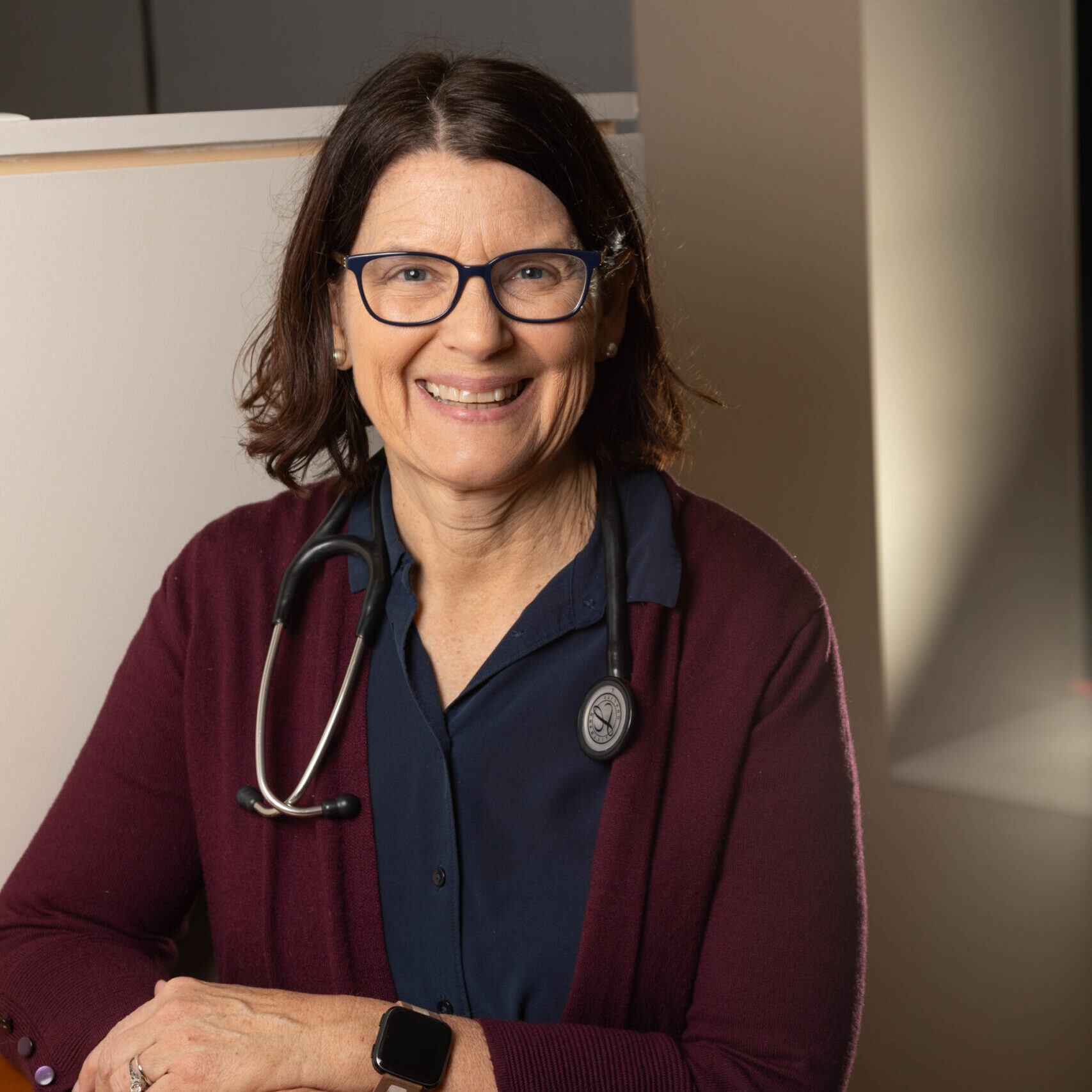
Lori A. Bastian, MD, MPH
Lori A. Bastian, MD, MPH
Dr. Lori Bastian is the Associate Chief of Staff for Research, Clinician Investigator, and Hospitalist at VA Connecticut. She is also a Professor of Medicine at Yale School of Medicine in the Clinical Scientist Track. She has a longstanding interest in women’s health and health behaviors among veterans. Her current VA studies include a randomized trial to promote smoking cessation among patients with chronic pain and an observational study of military exposures and reproductive outcomes. Her scholarly accomplishment is demonstrated by more than 250 publications in peer-reviewed journals.
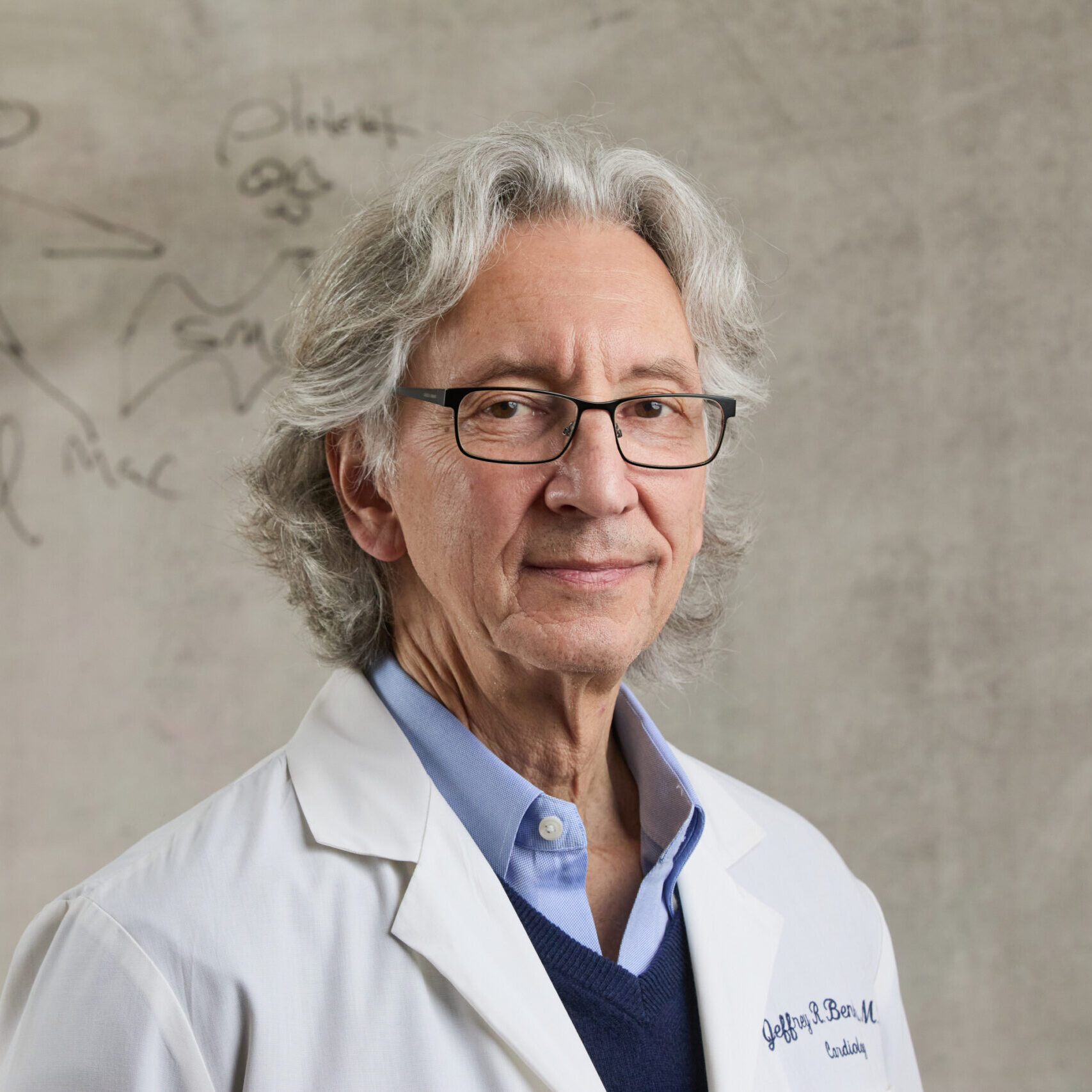
Jeffrey Bender, MD
Jeffrey Bender, MD
Jeffrey Bender, MD, is a Professor of Medicine (Cardiovascular Medicine) and of Immunobiology at the Yale University School of Medicine. He is the Senior Vice Chief for Academic Development of the Cardiovascular Medicine Division. He is the former Director of the Yale Cardiovascular Research Center. He holds the Robert I. Levy Endowed Chair of Preventive Cardiology at Yale. Dr. Bender has devoted his career to the study of the effects of immunity and inflammation on vascular physiology and pathology. He was one of a very few academic cardiologists who studied the regulation and effect of leukocyte adhesion to the endothelium, during the establishment of this field. Out of these inflammation studies also grew an interest in the effects of ovarian steroid hormones on the endothelium. Dr. Bender has described the mechanisms by which estrogen induces endothelial nitric oxide release, and has defined novel features of vascular estrogen receptors. He is a recognized expert and authority on both leukocyte integrin-mediated pro-inflammatory gene expression, and estrogen effects on the vasculature.
As recognition of this work, he was inducted into the American Society for Clinical Investigation (ASCI), the Association of American Physicians (AAP), and the Association of University Cardiologists, which he served as President in 2014. In addition to his molecular and translational science efforts, Dr. Bender is an active clinical cardiologist, having been a cardiac catheterization attending for 14 years, a CCU attending and a cardiology consultant at Yale-New Haven Hospital. He is a dedicated mentor, regularly supervising a cardiology fellows teaching clinic, and is the Director of Yale’s Postdoctoral Vascular Research Training NHLBI T32. He has been an active member of the American Heart Association, including chairing the Heritage Affiliate Research Committee, serving on the National Research Committee, and chairing the Portfolio Task Force that guided the initiation of several major new association grant programs.

Krysten Bold, PhD
Krysten Bold, PhD
Krysten Bold, PhD, is a licensed clinical psychologist and Associate Professor in the Department of Psychiatry at Yale School of Medicine. She is an expert in substance use research and has more than 130 publications in this area. In particular, her research focuses on understanding cigarette, e-cigarette, and other tobacco use among youth and adults to identify strategies to reduce tobacco use and tobacco-related harm through treatment and policy. She currently leads several innovative projects including studies evaluating the use of mobile technology and wearable biosensors to deliver treatment and randomized clinical trials studying the effects of potential tobacco regulatory policies. Her research has had high impact, including being cited in the US Surgeon General’s 2016 Report, and in the US FDA’s 2022 proposed tobacco policy providing scientific support for banning menthol flavor in cigarettes. Furthermore, she provides specialty clinical care at Smilow Tobacco Treatment Service in Yale New Haven Hospital treating patients who use tobacco products. Given her additional expertise in youth tobacco use, she supported the expansion of the outpatient hospital services to address the increasing need to provide treatment for youth using e-cigarettes who need help quitting. She has been elected to multiple leadership roles as an expert in tobacco use, including as the Chair of the Tobacco Regulatory Science international working group advising on menthol tobacco product standards and the Advisory Committee of the Treatment Research Network for the international Society for Research on Nicotine and Tobacco.

Jason Cai, PhD
Jason Cai, PhD
Dr. Jason Cai is an Associate Professor of Radiology & Biomedical Imaging and of Pharmacology, with expertise in Medicinal Chemistry and Radiopharmaceutical Sciences. After studying at the University of Missouri-Columbia, Dr. Cai joined Carolyn Anderson’s lab at the University of Pittsburgh as a postdoctoral associate, focusing on radiopharmaceutical development and preclinical PET imaging in oncology. In 2015, he joint Yale PET Center to expand his research portfolio to brain PET imaging. His research group is currently focusing on the development and translation of novel PET imaging probes for drug PK/PD study and the investigation of CNS disorders and Oncology. He is the recipient of the NIH Career Development Award (K01) in 2017, SNMMI Berson-Yalow Award in 2018, and Archer Foundation Research Scholar Award in 2019.
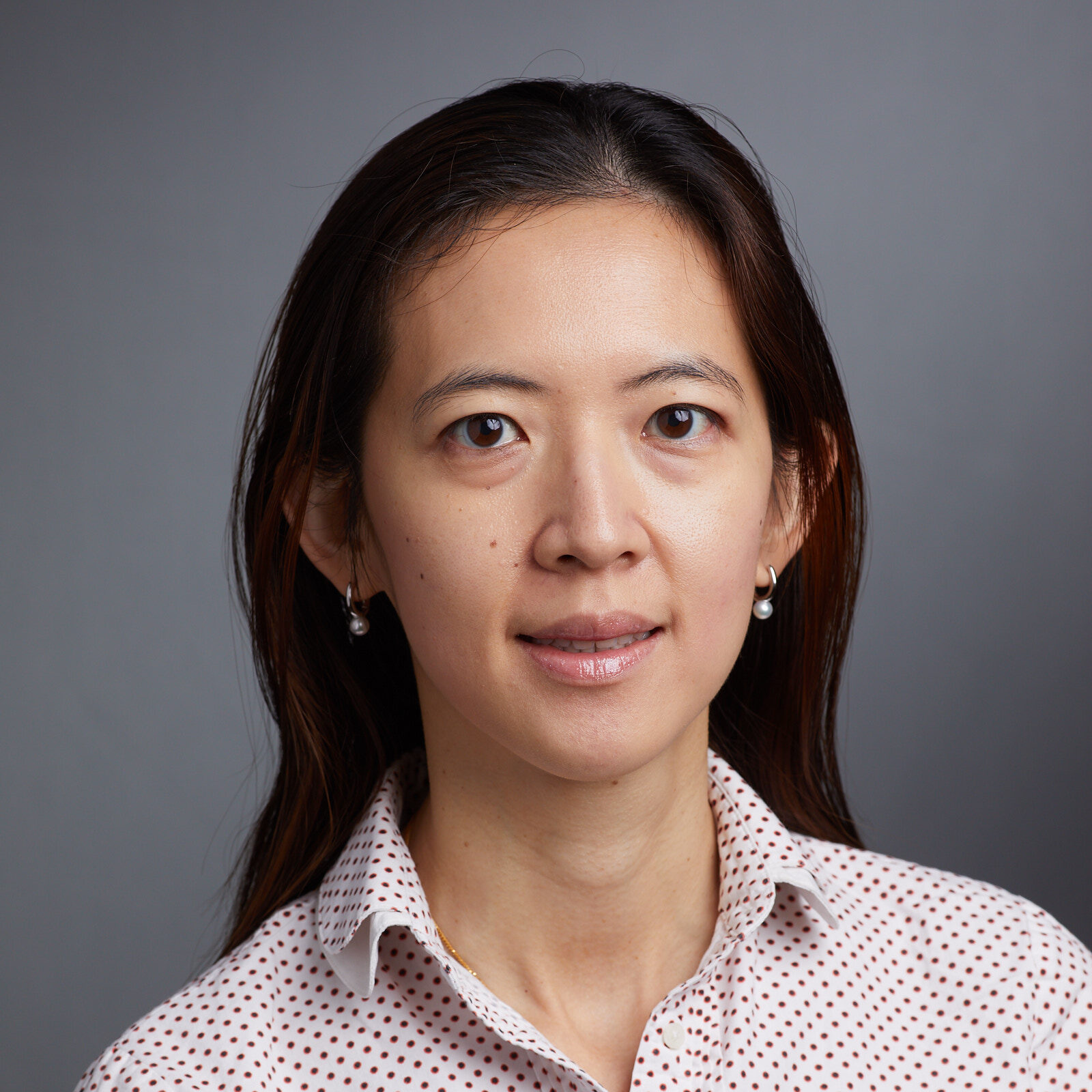
Eugenia Chock, MD, MPH
Eugenia Chock, MD, MPH
Dr. Eugenia Chock is a physician and clinical researcher investigating maternal-child health among patients with rheumatic diseases. She has strong interests in reproductive rheumatology and utilizing large datasets to support her research. Dr. Chock also co-directs the Yale Pharmacoepidemiology Working Group. She received several funding with the goals of improving the detection of connective tissue diseases among women and improving pregnancy outcomes of women with chronic inflammatory arthritis.
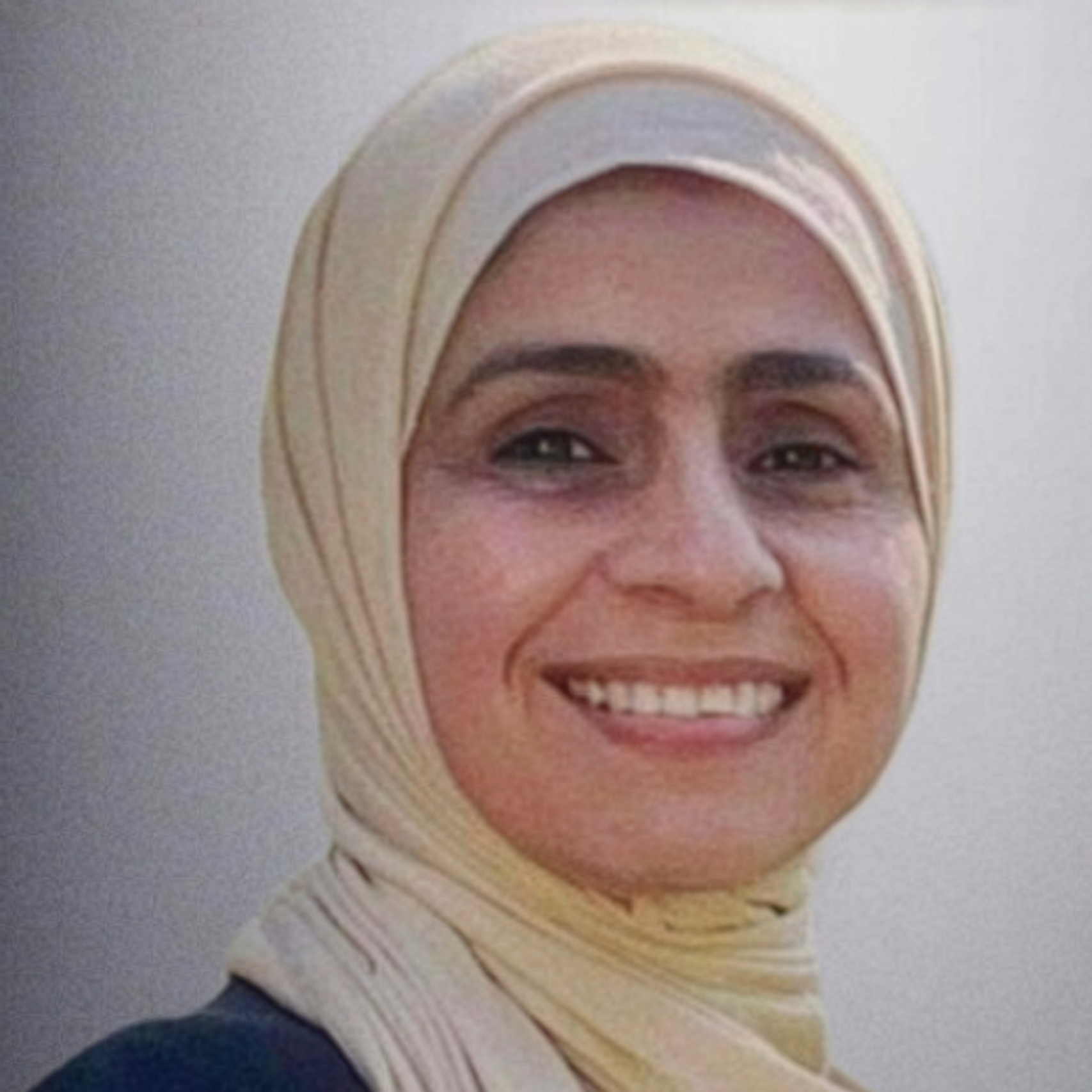
Samah Fodeh-Jarad, PhD, MSc
Samah Fodeh-Jarad, PhD, MSc
Samah Fodeh-Jarad, PhD, MSc, is an Associate Professor in the Department of Emergency Medicine, with a secondary appointment at the Yale School of Public Health, and is affiliated with the VA Connecticut Healthcare System.
Dr. Fodeh’s research centers on patient-focused care, emphasizing the improvement of communication between patients and health care providers and examining how social and environmental factors shape health outcomes. A major part of her work involves harnessing artificial intelligence to strengthen patient care, using machine learning and natural language processing to analyze patient-generated data and clinical records. She applies large language models to reveal insights into social barriers, patient-provider communication dynamics, and the broader context of patient experiences. Her research also explores methods for detecting patients’ goals, values, and preferences in health care, ensuring that care delivery aligns more closely with what matters most to individuals.
Through these innovations, Dr. Fodeh strives to make health care more responsive, respectful, and tailored to individual needs, leading to better health outcomes and more consistent quality of care. Her research further utilizes advanced AI techniques to integrate and analyze multiple data modalities, uncovering actionable findings that enhance clinical decision-making and tackle complex patient-centered challenges. Additionally, she focuses on mining health and social media data to address critical public health concerns, including suicide risk and opioid addiction. Dr. Fodeh’s work is at the forefront of transforming health care through the integration of AI, making it more personalized, responsive, and centered on the needs and experiences of patients.
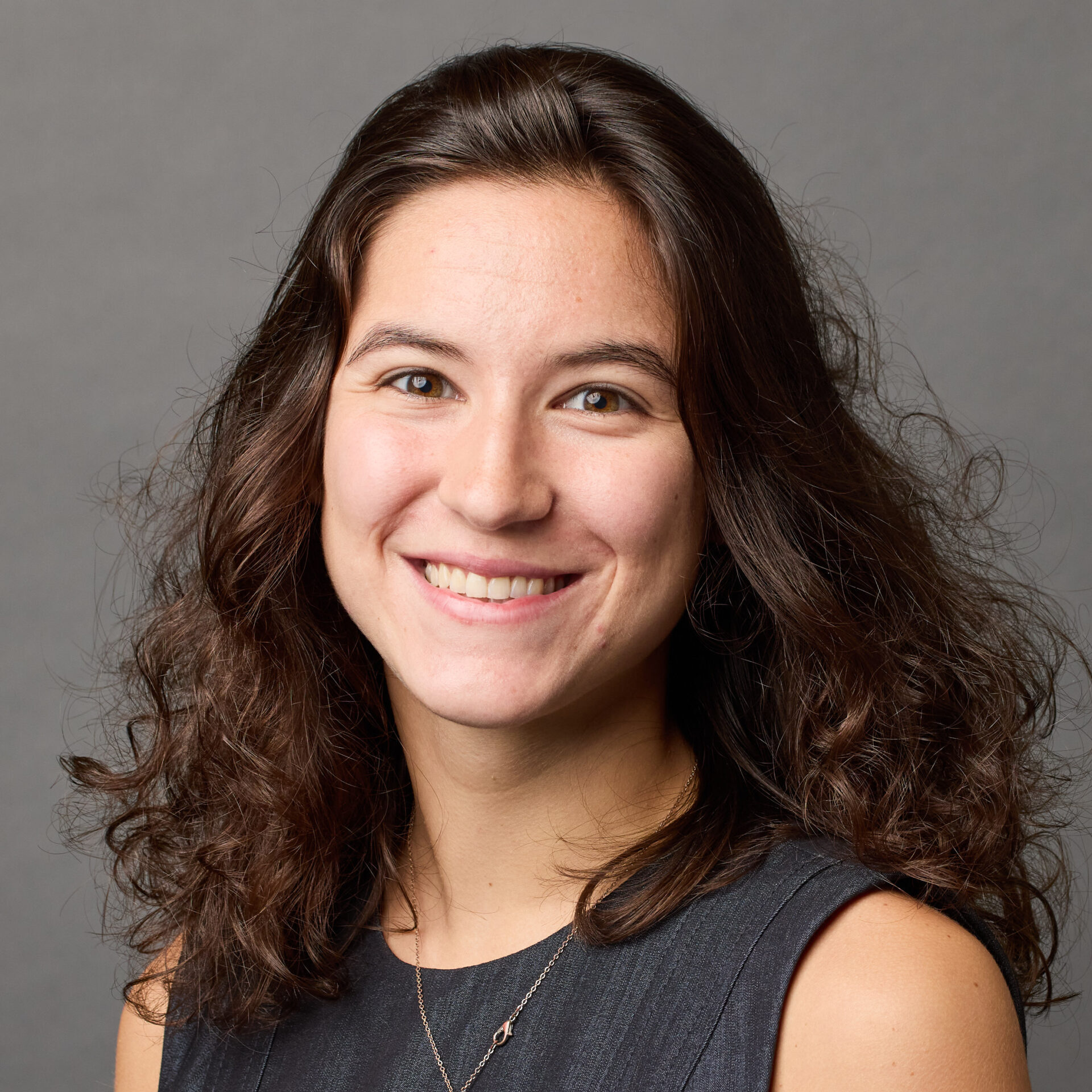
Jordan Galbraith, BA
Jordan Galbraith, BA
Jordan Galbraith is a fourth year MD/PhD student. She is completing her PhD in the Interdepartmental Neuroscience Program in the lab of Dr. Carolyn Fredericks. Her thesis work investigates the relationships between sex, menopause status, and hormones with functional and structural brain changes throughout aging that may explain women’s increased risk of Alzheimer’s disease. Following completion of her program, she is interested in pursuing a Neurology residency and caring for patients with neurodegenerative disorders.
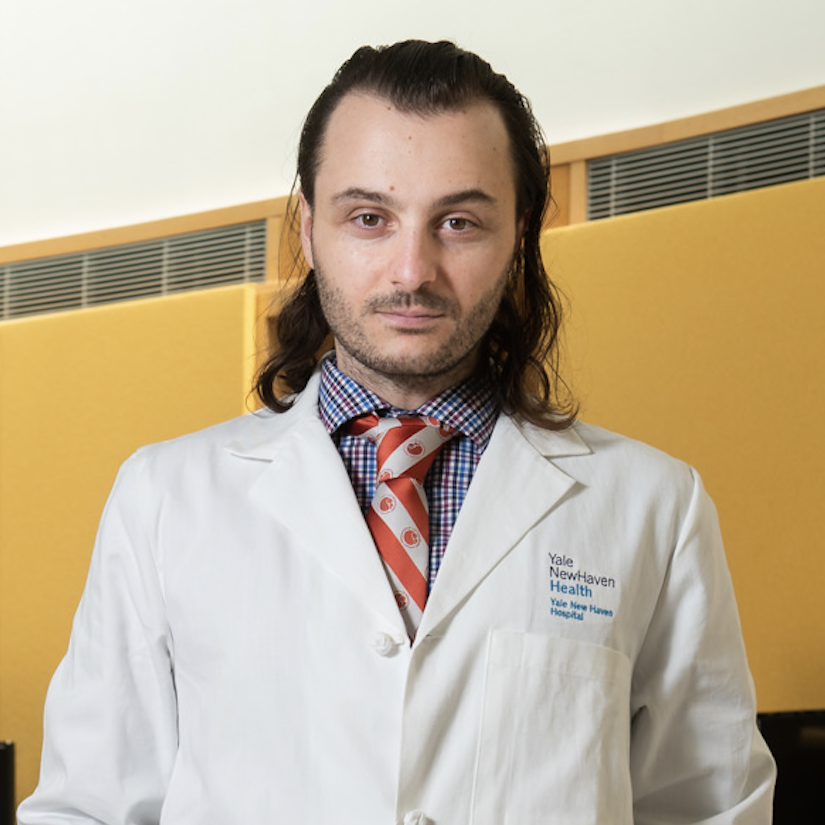
George Goshua, MD, SM
George Goshua, MD, SM
George Goshua, MD, SM, FACP serves as an Assistant Professor of Medicine (Medical Oncology & Hematology). He is a Yale-trained, board-certified internist and hematologist-oncologist, with methodological training in risk and decision science from the Harvard T.H. Chan School of Public Health. Dr. Goshua is the PI of the first quantitative decision analytic modeling laboratory in hematology-oncology in the United States (Goshua Lab), supported and/or awarded by the Yale Cancer Center, the NOMIS Foundation, Frederick A. DeLuca Foundation, the National Institutes of Health (NIH), National Heart, Lung, and Blood Institute (NHLBI), and the American Society for Clinical Investigation. His clinical expertise is in the care of adults with hematologic disorders, with a particular focus in thrombosis. His laboratory research employs quantitative decision analytic modeling methods to #1 fill gaps in clinical guidelines, #2 impact health resource allocation and/or #3 inform health policy decisions. This body of original science has been published in journals that include the Annals of Internal Medicine, Blood, American Journal of Hematology, The Lancet Haematology (the journal’s #1 most cited original research), Med (Cell Press), The Lancet Regional Health, Blood Advances, Science Immunology, Chest, Clinical Infectious Diseases, Value in Health, and Clinical Gastroenterology & Hepatology. Beyond research recognitions awarded by the leading hematology societies, Dr. Goshua’s invited service at the interface of decision science and clinical medicine includes the Institute for Clinical and Economic Review’s Independent Appraisal Committee, the American Society of Hematology Committee on Quality, and the Editorial Board at the Annals of Internal Medicine, with an expert focus in health economics.
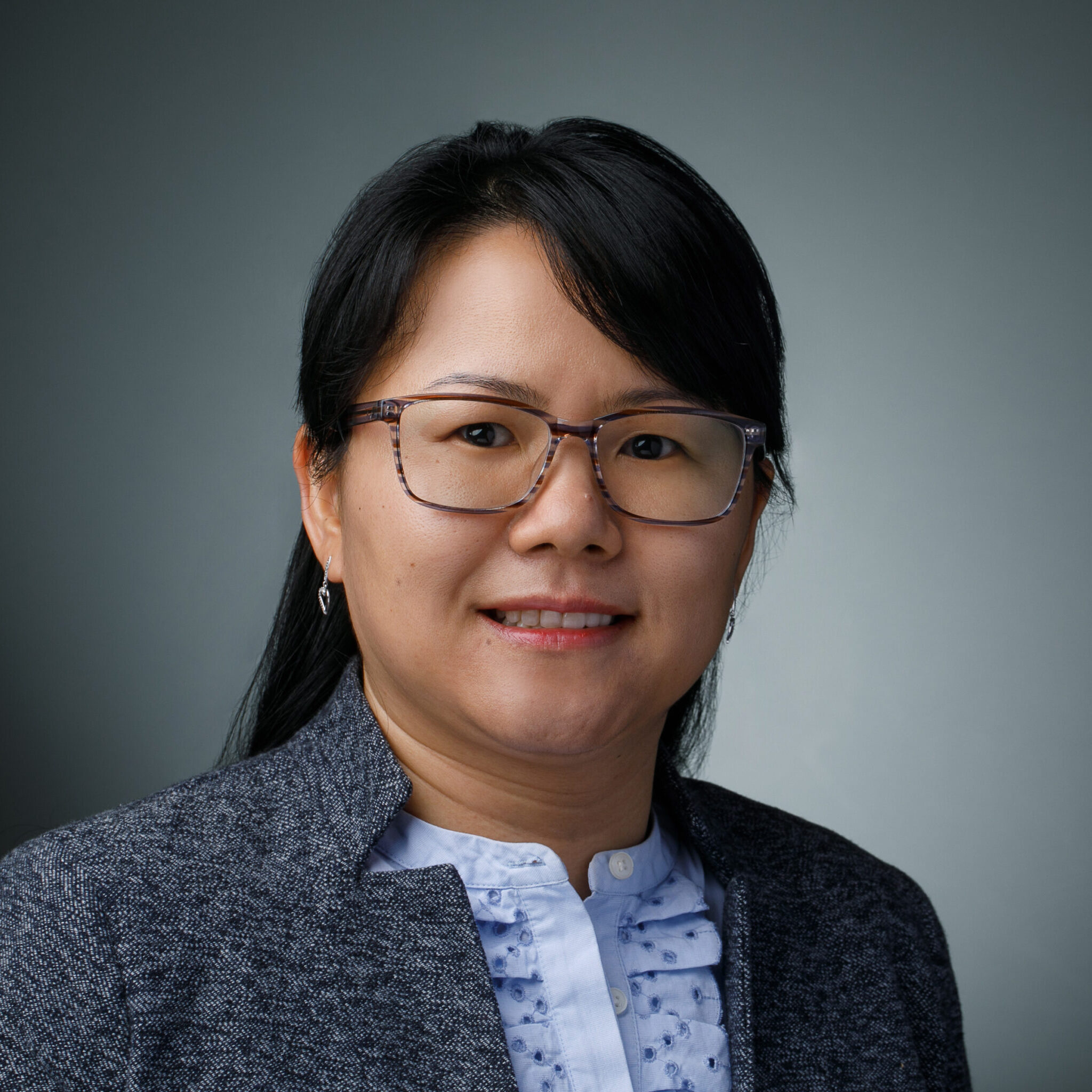
Shaoning Jiang, PhD
Shaoning Jiang, PhD
Shaoning Jiang completed her PhD degree in Molecular and Cellular Pathology at the University of Alabama at Birmingham (UAB) and received postdoctoral training at UAB and University of Oklahoma Health Science Center (OUHSC). Before joining Yale Pathology, Dr. Jiang started her independent research as an assistant professor at OUHSC in the research areas of diabetes and obesity, focusing on epigenetic mechanisms linking inflammation and energy metabolism in the context of developmental origins of obesity and obesity-related metabolic disorders.
Her research projects are currently funded by an NIH R01 grant and a Yale Diabetes Research Center Pilot Project grant.
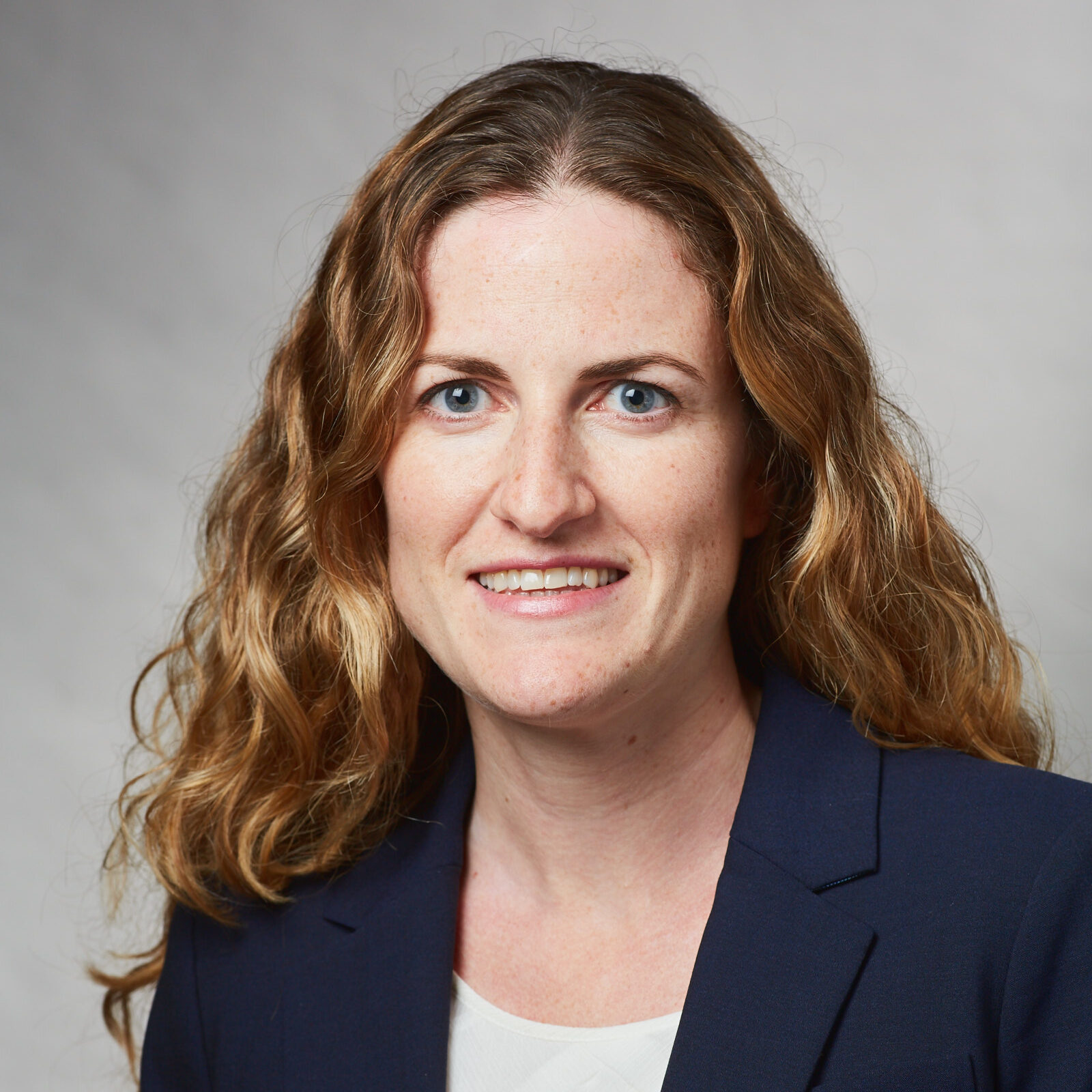
Caroline Helen Johnson, PhD
Caroline Helen Johnson, PhD
Caroline H. Johnson, PhD, is a Tenured Associate Professor of Epidemiology in the Department of Environmental Health Sciences at Yale School of Public Health. She graduated from Imperial College London in 2009 with a PhD in Analytical Chemistry. Since then, she has held postdoctoral and staff appointments at the National Cancer Institute and The Scripps Research Institute.
Dr. Johnson’s research uses mass spectrometry-based metabolomics to understand the role of metabolites in human health. Her primary research interest is to investigate the relationship between genetic and environmental influences (diet, hormones and microbiome) in colorectal cancer, with a focus on sex-specific differences.
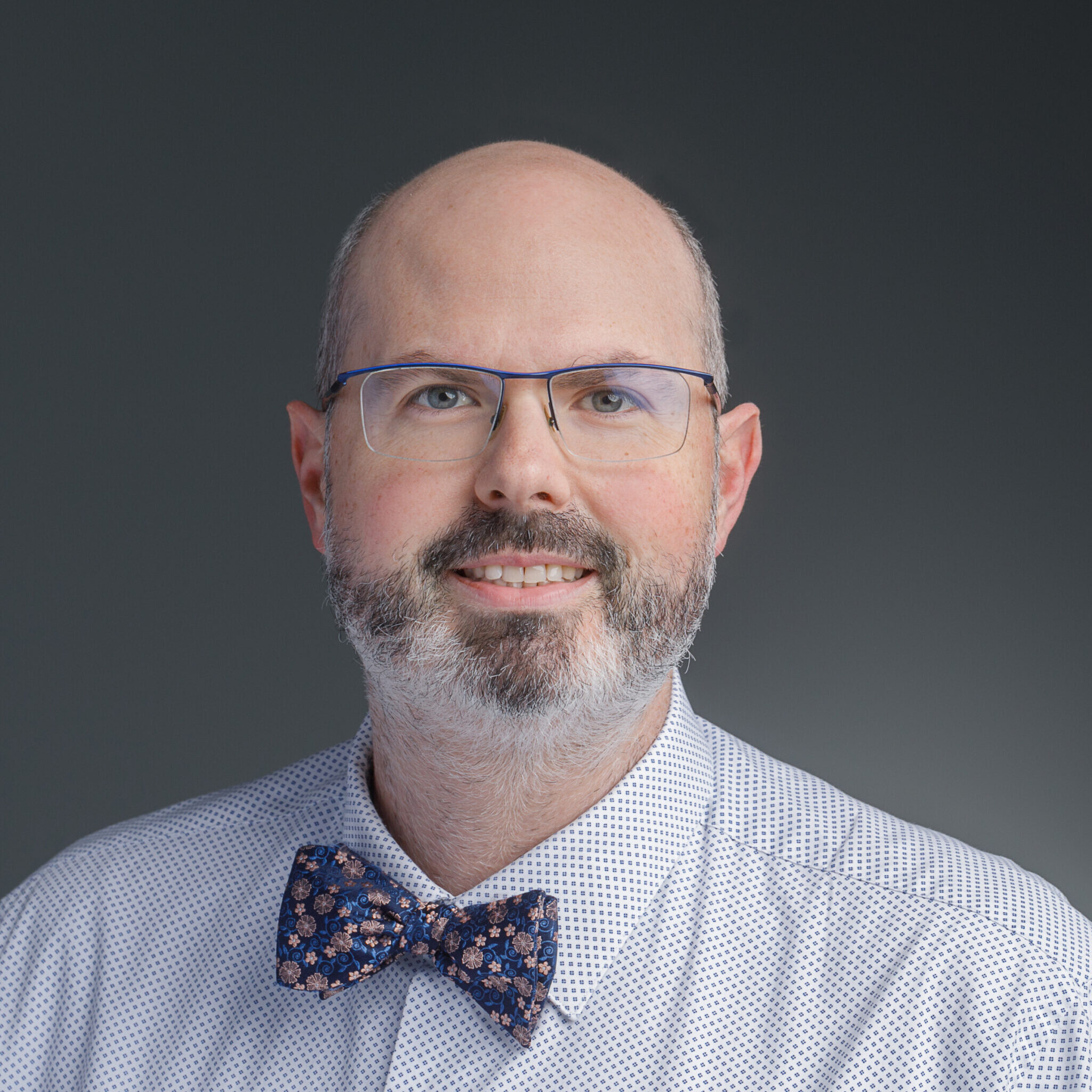
Aaron Lazorwitz, MD, PhD
Aaron Lazorwitz, MD, PhD
Aaron Lazorwitz, MD, is board certified in obstetrics and gynecology and earned his Bachelor of Arts in psychology from Johns Hopkins University. He then went to medical school at UT Southwestern Medical Center in Dallas and completed his residency at the University of Colorado. He remained at the University of Colorado for his fellowship in family planning. In 2018, Dr. Lazorwitz joined the University of Colorado faculty and became a Women’s Reproductive Health Research (WRHR) scholar, during which he completed a PhD in Clinical Science. In 2023, Dr. Lazorwitz left Colorado and joined the faculty of Yale University with a dual appointment in the divisions of Family Planning and Reproductive Science.
Dr. Lazorwitz pursued sub-specialist training in family planning so he could help provide comprehensive reproductive healthcare to even the most medically complicated patients. He is passionate about providing the full range of contraceptive options to his patients, including sterilization options.
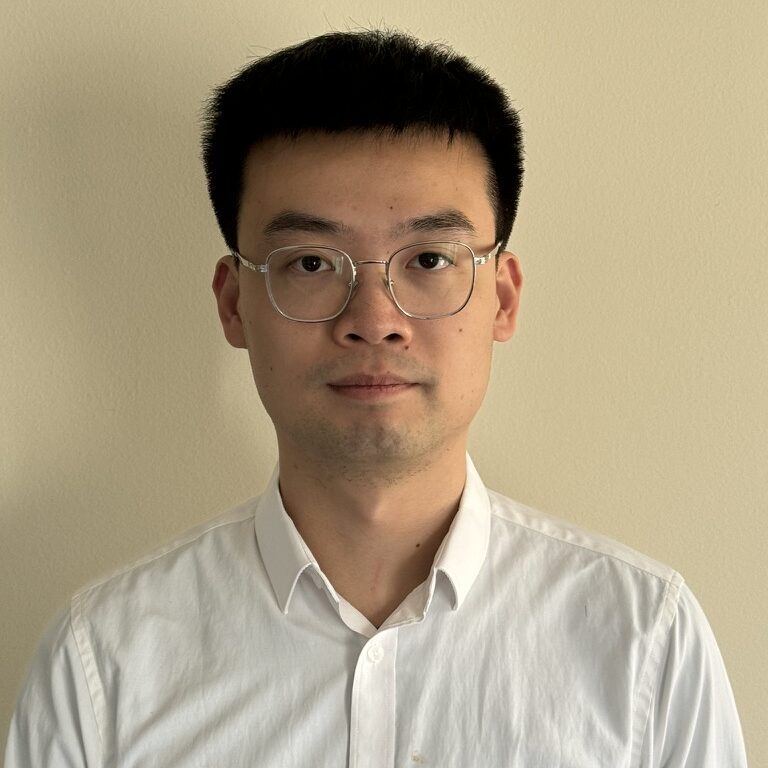
Aolan Li, PhD
Aolan Li, PhD
Aolan Li, PhD, is a statistician at Yale School of Nursing. His research focuses on biostatistics, Bayesian modeling, longitudinal data analysis, and multi-omics applications in maternal-child health and symptom science. He has collaborated on interdisciplinary studies involving preterm infant neurodevelopment, pain and stress exposure, microbiome and omics data, and health outcomes. His work emphasizes rigorous statistical modeling to better understand biological and clinical factors related to health and development.
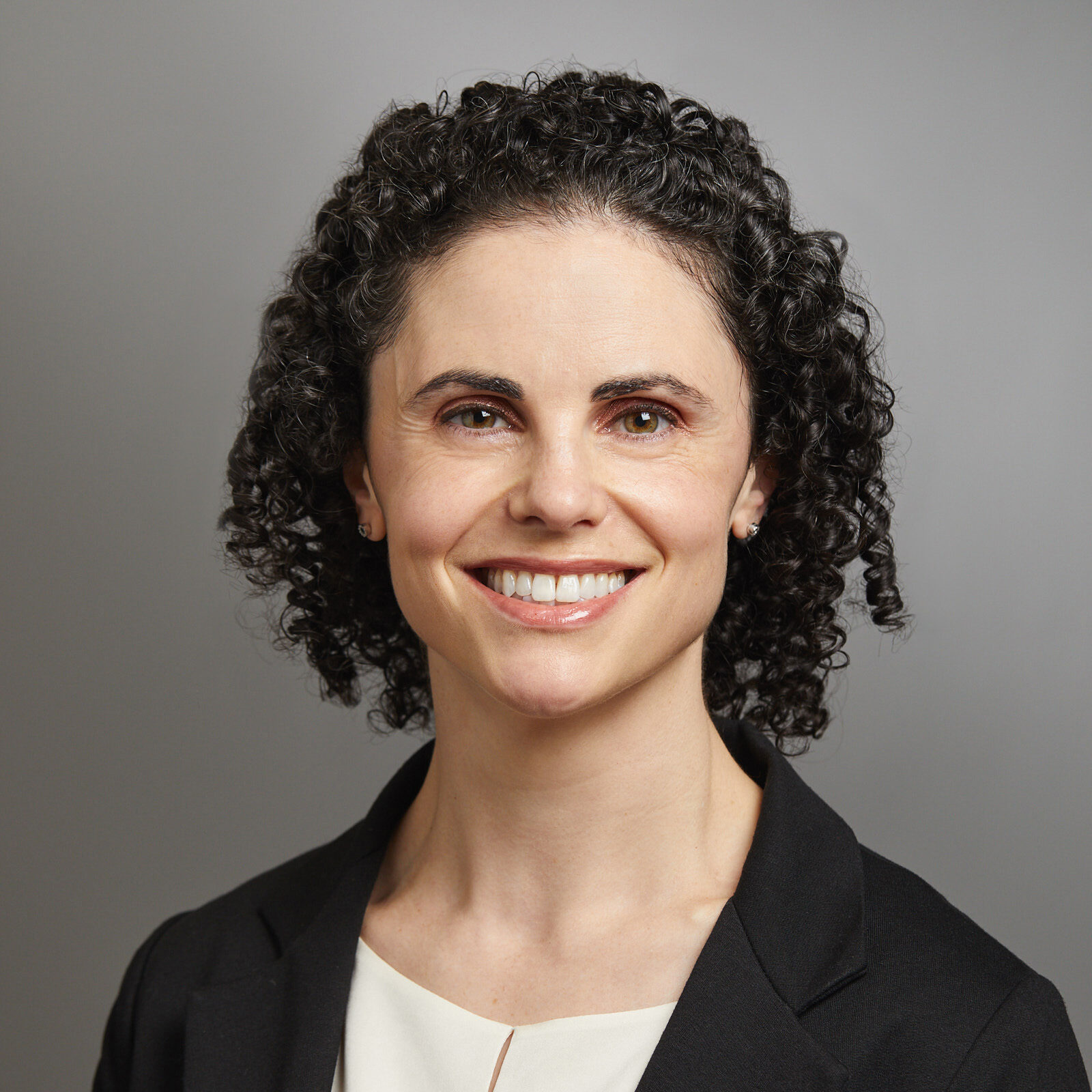
Alicia Little, MD, PhD
Alicia Little, MD, PhD
Alicia Little, MD, PhD, is a dermatologist with expertise in women’s skin health and autoimmunity. She is the director of the Vulvar Dermatology Clinic, which is dedicated to compassionate, interdisciplinary management of vulvar skin diseases.
Dr. Little specializes in skin disease of pregnancy and vulvar skin diseases; autoimmune skin diseases including cutaneous lupus, dermatomyositis, morphea, lichen sclerosus, and lichen planus; and inflammatory skin diseases including psoriasis, atopic dermatitis (eczema), and rosacea. She also handles general dermatology, acne, and skin cancer screening.
“I enjoy meeting new patients and developing lasting relationships with them,” Dr. Little says. “I love looking at my schedule and recognizing patients who I have helped with uncomfortable rashes, acne, or skin cancers, and continuing to support them over the years with any new or chronic skin conditions.”
Dermatology, she says, allows her to see patients of all ages and to use her background in immunology since many skin diseases and rashes are caused by an overactive immune system.
“As dermatologists, we have the wonderful privilege of seeing our patients get better quite literally, since their symptoms are often also visible to us on the skin,” she says.
When not caring for her patients, Dr. Little, who is an assistant professor of dermatology at Yale School of Medicine, conducts research on the immune cells responsible for autoimmune skin disease. “By studying what is going wrong to cause the body to attack itself, I hope that we can identify targets for future treatments to improve patients’ lives,” she says.
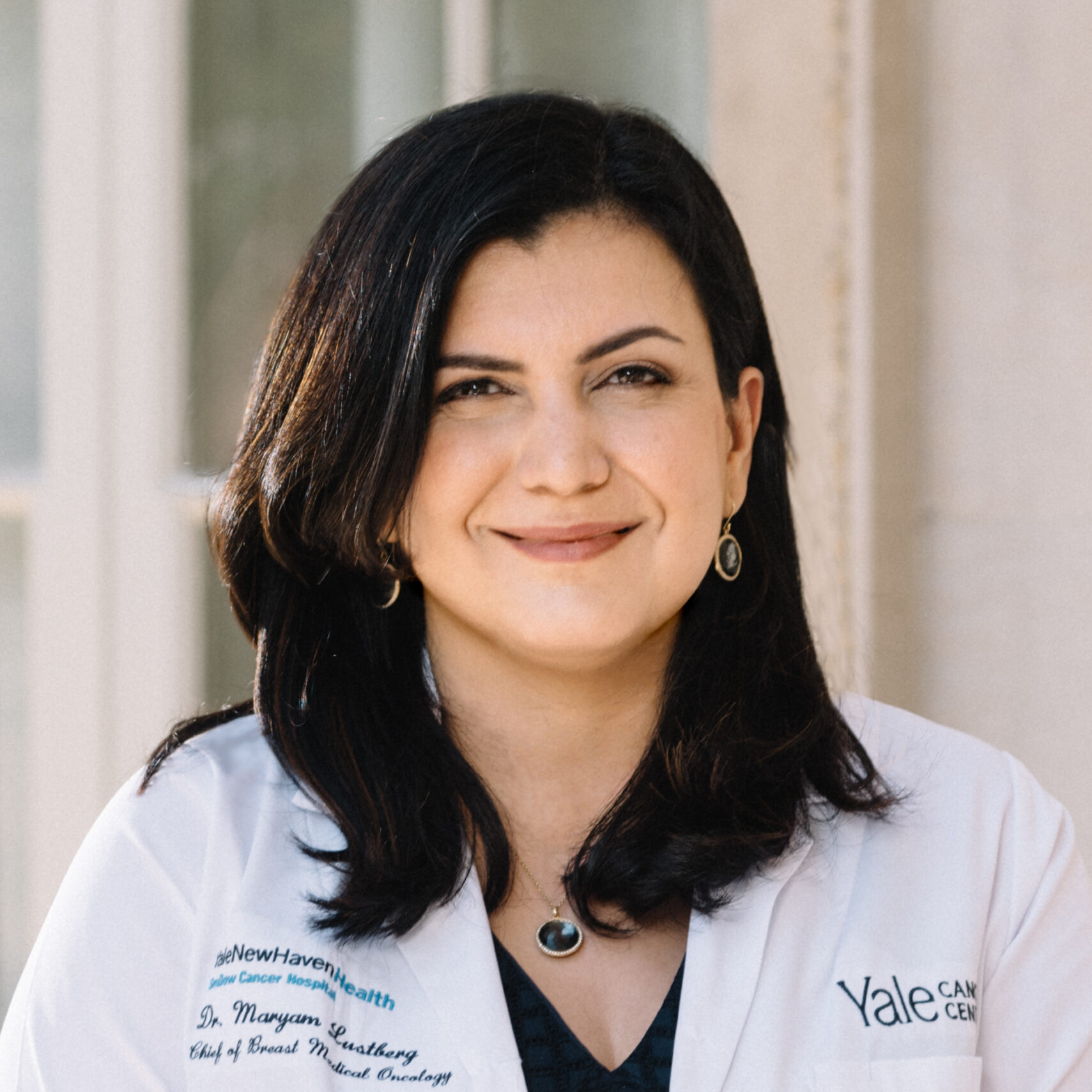
Maryam Lustberg, MD, MPH
Maryam Lustberg, MD, MPH
Maryam Lustberg, MD, MPH, is Director of the Center for Breast Cancer at Smilow Cancer Hospital and Yale Cancer Center, and Chief of Breast Medical Oncology at Yale Cancer Center. She is also a Professor of Medicine (Medical Oncology). She has been recognized for her patient-focused care with awards that include being rated by Forbes as one of the top breast medical oncologists in the nation and named to the Castle Connolly list of “Regional Top Doctors,” and “Exceptional Women in Medicine” for 2020. She is currently participating in the American Society of Clinical Oncology (ASCO) Leadership Development Program.
With an emphasis on improving the long-term outcomes for patients with breast cancer who have developed side effects associated with treatment, Dr. Lustberg will continue her research efforts at Yale. She is also focused on investigating novel blood-based biomarkers to identify recurrence and treatment toxicity earlier. She is an NCI-funded investigator and active in both ALLIANCE and SWOG Cancer Cooperative Groups. Dr. Lustberg collaborates widely with researchers from around the world, thriving in creating innovative multidisciplinary scientific teams. Her mentorship has been recognized by numerous awards including Best Teacher Award by Hematology Oncology Fellows and the Shining Star Award for Medical Student Mentorship.
Nationally, Dr. Lustberg is a member of the ASCO Annual Meeting Education Committee, Patient and Survivor Care Education Committee, and Neuropathy Expert Guideline Panel. She is actively engaged in national patient advocacy organizations with a focus on improving shared decision making and increasing patient engagement in clinical trials. In addition, she serves as the President Elect and on the Board of Directors for the international organization Multinational Association of Supportive Care in Cancer (MASCC). She serves as an Associate Editor for the Journal of Cancer Survivorship. In the last decade, she has published over 140 peer-reviewed publications and book chapters.
Dr. Lustberg received her medical degree from the University of Maryland where she also completed her residency and went on to complete a fellowship in medical oncology and in breast medical oncology at The Ohio State University before joining the faculty in 2010. She earned a Master’s in Public Health from The Ohio State University in 2013.
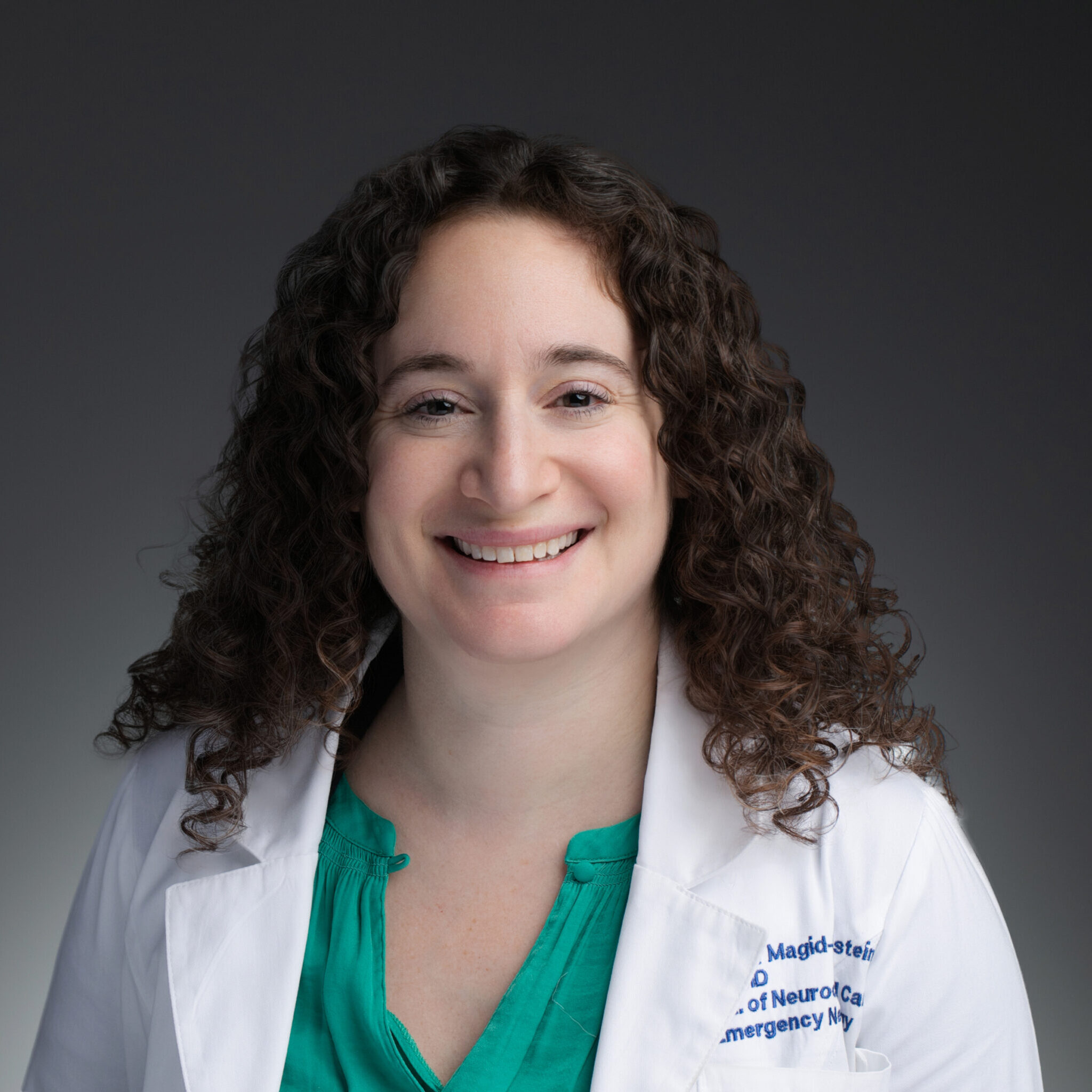
Jessica Magid-Bernstein, MD, PhD
Jessica Magid-Bernstein, MD, PhD
Jessica Magid-Bernstein completed her MD and PhD with a focus in immunology at Rutgers University – New Jersey Medical School in Newark, New Jersey in 2015. She then went on to complete her medical internship and residency training in Neurology at New York Presbyterian – Columbia University Medical Center, followed by a fellowship in Neurocritical Care at New York Presbyterian – Columbia University Medical Center & Weill Cornell Medicine before joining the Yale Department of Neurology Division of Neurocritical Care and Emergency Neurology in 2021.
Dr. Magid-Bernstein is dedicated to taking care of complex neurocritically ill patients during her clinical time in the NeuroICU at Yale. When she is not on clinical service, she is developing a research career focused on understanding the role that inflammation plays in outcomes following intracerebral hemorrhage and subarachnoid hemorrhage.
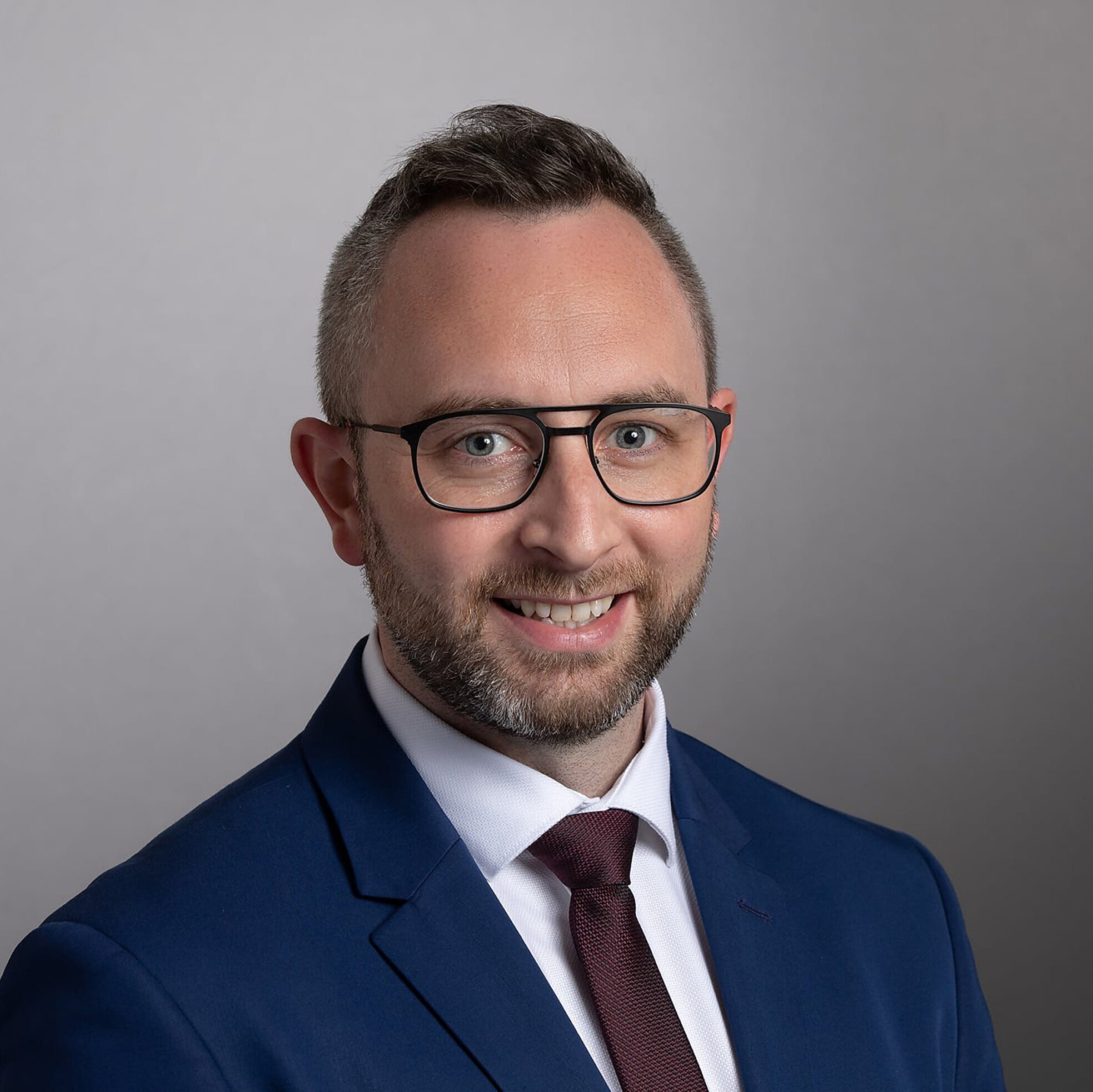
Kieran O’Donnell, PhD
Kieran O’Donnell, PhD
Dr. Kieran O’Donnell is an Associate Professor in the Yale Child Study Center and the Department of Obstetrics, Gynecology and Reproductive Sciences within Yale School of Medicine, where he leads the Health-Omics & Perinatal Epidemiology (HOPE) Research Group.
Dr. O’Donnell’s research themes include Perinatal Mental Health and the Developmental Origins of Mental Health. His group integrates genomic and epigenomic data with measures of psychosocial risk to 1) better understand individual differences in maternal perinatal health and 2) identify the molecular processes that underlie the persisting influence of the prenatal environment on child/adolescent neurodevelopment and mental health. Dr. O’Donnell’s research occurs in the context of a number of large prospective longitudinal cohorts as well as randomized controlled trials of psychosocial interventions in the United States, Canada, United Kingdom, Vietnam, and the Philippines.
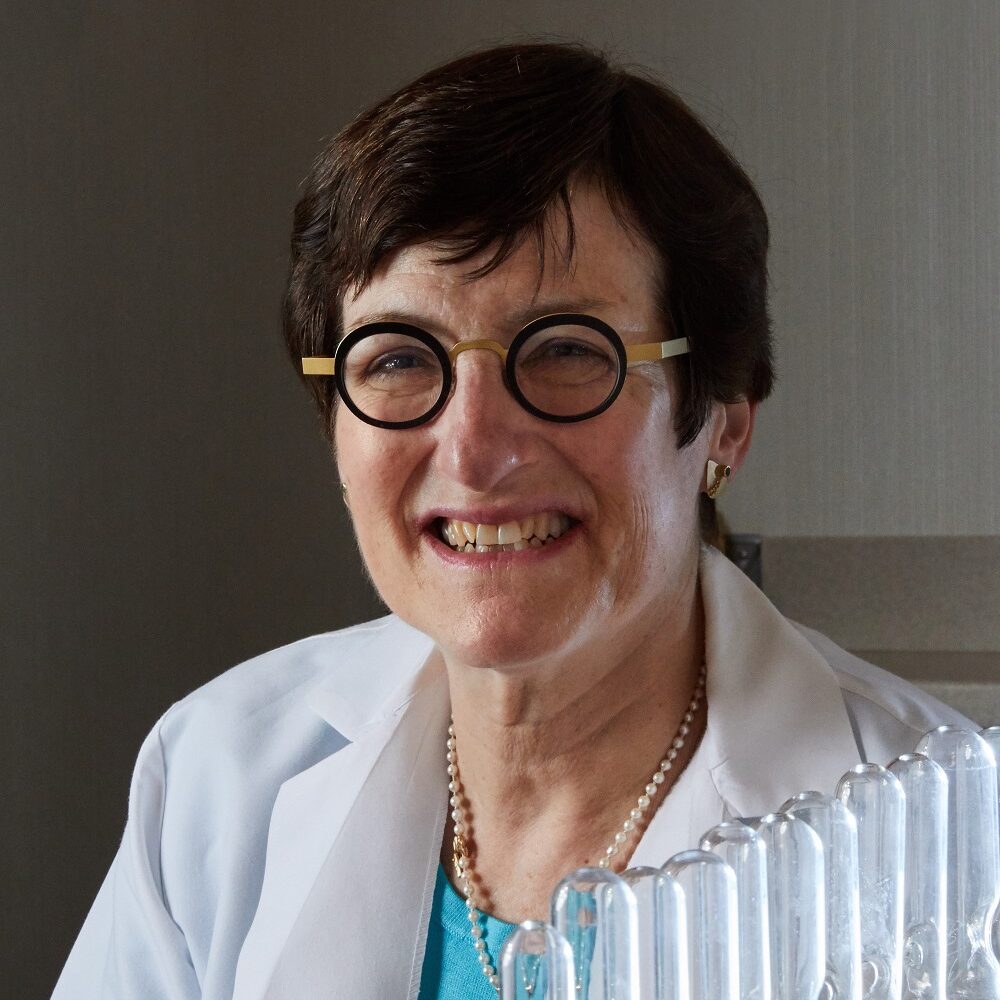
Mary Jane Minkin, MD
Mary Jane Minkin, MD
Mary Jane Minkin, MD is clinical professor in the Department of Obstetrics, Gynecology and Reproductive Sciences at the Yale University School of Medicine, and has been in private practice in New Haven for 47 years. Dr. Minkin Is board certified in obstetrics and gynecology and practices at Yale-New Haven Hospital. She earned her medical degree from Yale Medical School and her undergraduate degree from Brown University. He did both her internship in internal medicine and her residency in obstetrics and gynecology at Yale-New Haven Hospital. She is a fellow of the American Congress of Obstetricians and Gynecologists (FACOG) and a Menopause Society Certified Practitioner since 2002, the first-year certification was offered. Dr. Minkin helped establish and has been Director of the Sexuality, Intimacy and Menopause clinic for cancer survivors at the Smilow Cancer Center since 2008. Dr. Minkin serves as the faculty representative of the Department of Obstetrics and Gynecology on multiple Yale New Haven committees including the Pharmacy and Therapeutics committee.
Dr. Minkin has won numerous teaching awards, including the Francis Gilman Blake award, awarded by the Yale Medical School graduating class to the clinical attending who taught them best. She has been awarded the obgyn residents’ teaching award three times. She was also named Menopause Educator of the year by the North American Menopause Society in 2018. She has been named a “Top Doc” by Connecticut Magazine numerous times, and in 2009 she was honored by the Connecticut Women’s Hall of Fame for her significant contributions to the care and well-being of Connecticut citizens. Her website, MadameOvary.org, has considerable information on menopause and other women’s health issues, and also many podcasts on these topics.
She is a leader in women’s health education both inside and outside the medical community. She is lead or co-author of articles in numerous peer-reviewed medical journals, and serves on the editorial boards of the journals Menopause and Maturitas. She has written 7 books. She is regularly interviewed and quoted in print and broadcast media, including the New York Times, Wall Street Journal, and People’s Magazine. She did a cross country lecture series with Dr. Ruth Westheimer on menopausal sex. She has also served for many years as the faculty adviser to the New Haven and Yale Rape Crisis team.
Dr. Minkin is married to mathematician Steve Pincus, and has two children in their 30’s, Allegra and Max. She enjoys opera, historical fiction, and through peril and pain, the New York Mets.
Lubna Pal, MD, MSc
Lubna Pal, MD, MSc
Dr. Lubna Pal is a Professor of Obstetrics & Gynecology, Fellowship Director for the Reproductive Endocrinology & Infertility fellowship program for the department of Obstetrics, Gynecology & Reproductive Sciences at Yale School of Medicine. Dr. Pal received her medical degree (MBBS) from Dow Medical College in Karachi, Pakistan, and postgraduate training in the United Kingdom (FRCOG) becoming pursuing subspecialty training in the United States. She received dual fellowship training in Reproductive Endocrinology & Infertility at Massachusetts General Hospital, Boston and the Albert Einstein College of Medicine, New York, holds a Master’s degree in Clinical Research from the Yeshiva University, New York. She is a Fellow of the Royal College of Obstetricians & Gynecologists (United Kingdom) and of the American College of Obstetricians & Gynecologists.
Dr. Pal is a recipient of multiple awards for clinical excellence, teaching and for clinical research, has published in numerous scientific journals, is on the editorial board of reputable peer review journals in the field of Menopause, has edited multiple books in the field of Reproductive Endocrinology and is recognized nationally and internationally for her commitment to reproductive wellness and patient wellbeing and for her work in the field of reproductive aging and health. Dr. Pal is board certified in Ob/Gyn and Reproductive Endocrinology and Infertility. She is a member of the American Society for Reproductive Medicine, the Endocrine Society and the North American Menopause Society.
Dr. Pal’s clinical and research interests include female infertility, reproductive aging and polycystic ovary syndrome (PCOS). Her research has focused on improving our understanding of underpinnings to and consequences of diminished ovarian reserve in reproductive age women, and of relevance of vitamin D for reproductive physiology. She is the director of two clinical programs at Yale Reproductive Endocrinology: Program for Polycystic Ovary Syndrome and the Menopause Program.
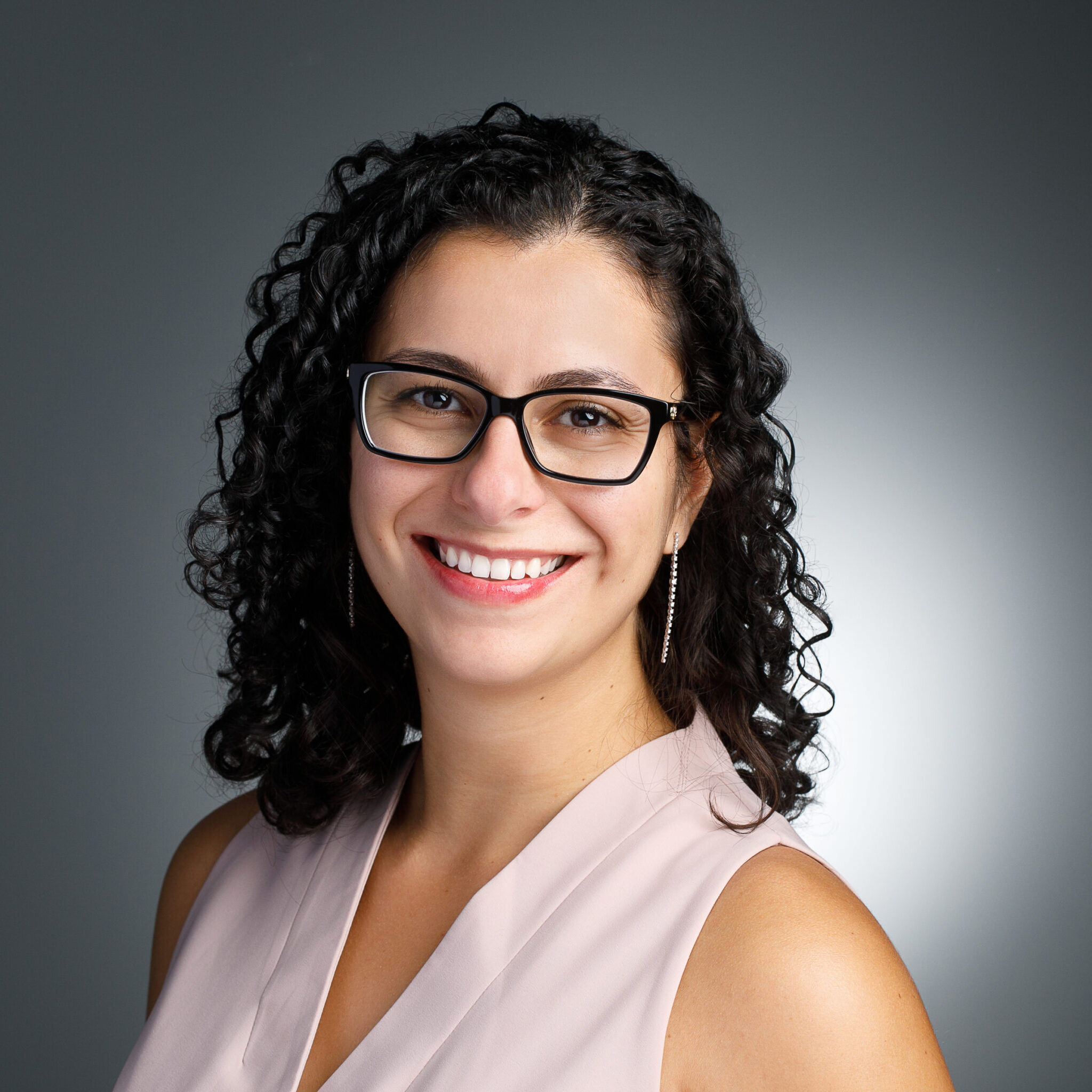
Ellie Proussaloglou, MD
Ellie Proussaloglou, MD
Ellie Proussaloglou, MD, is an Assistant Professor of Surgery (Breast Surgical Oncology) at Yale University. She completed her fellowship in Breast Surgery at Yale University and her residency in Obstetrics and Gynecology at Brown University/Women & Infants Hospital of Rhode Island. Ellie earned her BS from Duke University in Biology (Genomics), where she developed a passion for understanding the policy and financial implications of health care. She explored this interest further as a health care consultant before attending medical school at the University of Chicago Pritzker School of Medicine.
Her joint training in breast and gynecologic surgery allows her to provide comprehensive counseling about breast cancer care, along with a thorough understanding of the gynecologic and sexual side effects of care. Her research focuses on decisions facing patients undergoing surgery or high-risk screening, with an emphasis on the financial side effects of care. She has led interdisciplinary research focused on survivorship, quality of life, and sexual health after cancer diagnosis, including novel research on financial toxicity in BRCA carriers. She has local and national advocacy experience as the Legislative Chair for District 1 (New England) of the American College of Obstetricians and Gynecologists. She is particularly passionate about caring for high-risk genetic mutation carriers and young women with breast cancer.

Marc Schneeberger Pane, PhD
Marc Schneeberger Pane, PhD
Marc Schneeberger Pané received his BS in Pharmacy from Barcelona University, Catalonia in 2010. Next, he received his MS in Biomedicine from Barcelona University, Catalonia in 2011. He then studied how the powerhouse of the cell (mitochondria) is responsible for controlling whole body energy balance and metabolism in the canonical site for energy balance control (hypothalamus) with Marc Claret, PhD, and earned his PhD in Biomedicine at the Barcelona University, Catalonia in 2015. He then became a KAVLI postdoctoral fellow and a Pathway to Independence fellow in Prof. Jeffrey M. Friedman laboratory at The Rockefeller University. There he conducted whole mount activity maps in energy states to decipher the role of two novel subsets of neurons in the Dorsal Raphe Nucleus of the brainstem in energy balance control. He joined the Department of Cellular and Molecular Physiology at Yale University School of Medicine as an Assistant Professor in July 2022.
The Schneeberger Pané laboratory employs state-of-the-art technologies in neuroscience combining unbiased whole mount imaging of circuits, activity, and vasculature; molecular profiling single-cell gene expression technologies, neuoromodulation (optogenetics and chemogenetics) to understand the fundamental principles in the brain governing homeostasis. The overarching goal of the laboratory is to advance in the understanding of how neuronal, immune, and vascular networks coordinately control homeostasis, with a focus on energy homeostasis.
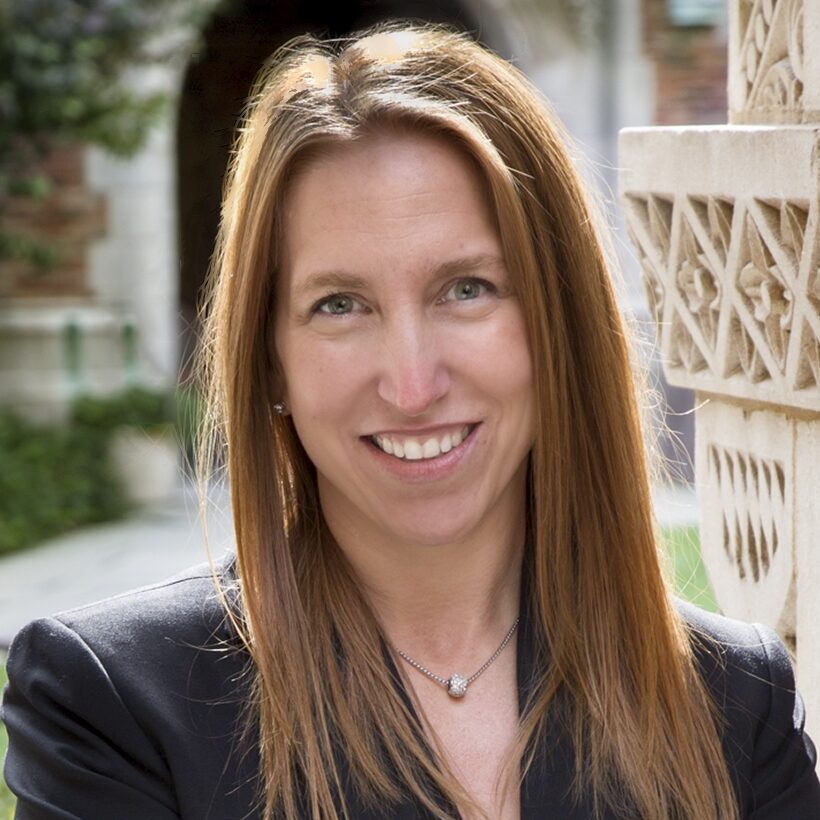
Tami Sullivan, PhD
Tami Sullivan, PhD
Dr. Tami Sullivan’s research program focuses on both individual and system-level factors that influence the well-being of women who experience intimate partner violence (IPV). Her naturalistic studies employ micro-longitudinal designs to explore how daily experiences and behaviors unfold in natural environments. Her interventional studies promote relationship health, resilience and recovery from trauma and substance use. Integral to her approach is community-partnered research, which centers women who have experienced IPV and the practitioners who support them.
At the individual level, Dr. Sullivan’s research advances understanding of factors that foster resilience, such as self-efficacy, empowerment, and hope, as well as factors that heighten the risk for negative outcomes, including posttraumatic stress, substance use, and sexual risk behaviors. She studies the impact of substance use, criminal justice, and other service system’s responses on women’s emotional and physical wellbeing, including the ways in which it promotes or impedes their safety, recovery and resilience.
Dr. Sullivan’s development of community-based and service-system interventions includes a peer-led support group, a single-session intervention to promote hope, and a stepped-care behavioral health intervention aimed at reducing trauma symptoms to enhance retention in opioid use disorder care. She disseminates findings to researchers, practitioners, and the public through various formats, including practitioner briefs, blogs, infographics, webinars, and popular media, to accelerate the translation of research into changes in practice and policy.
She is a licensed psychologist with experience across a range of treatment settings, from inpatient and outpatient programs for mental health and substance use disorders to community programs for women who experience IPV and court-mandated interventions for offenders.
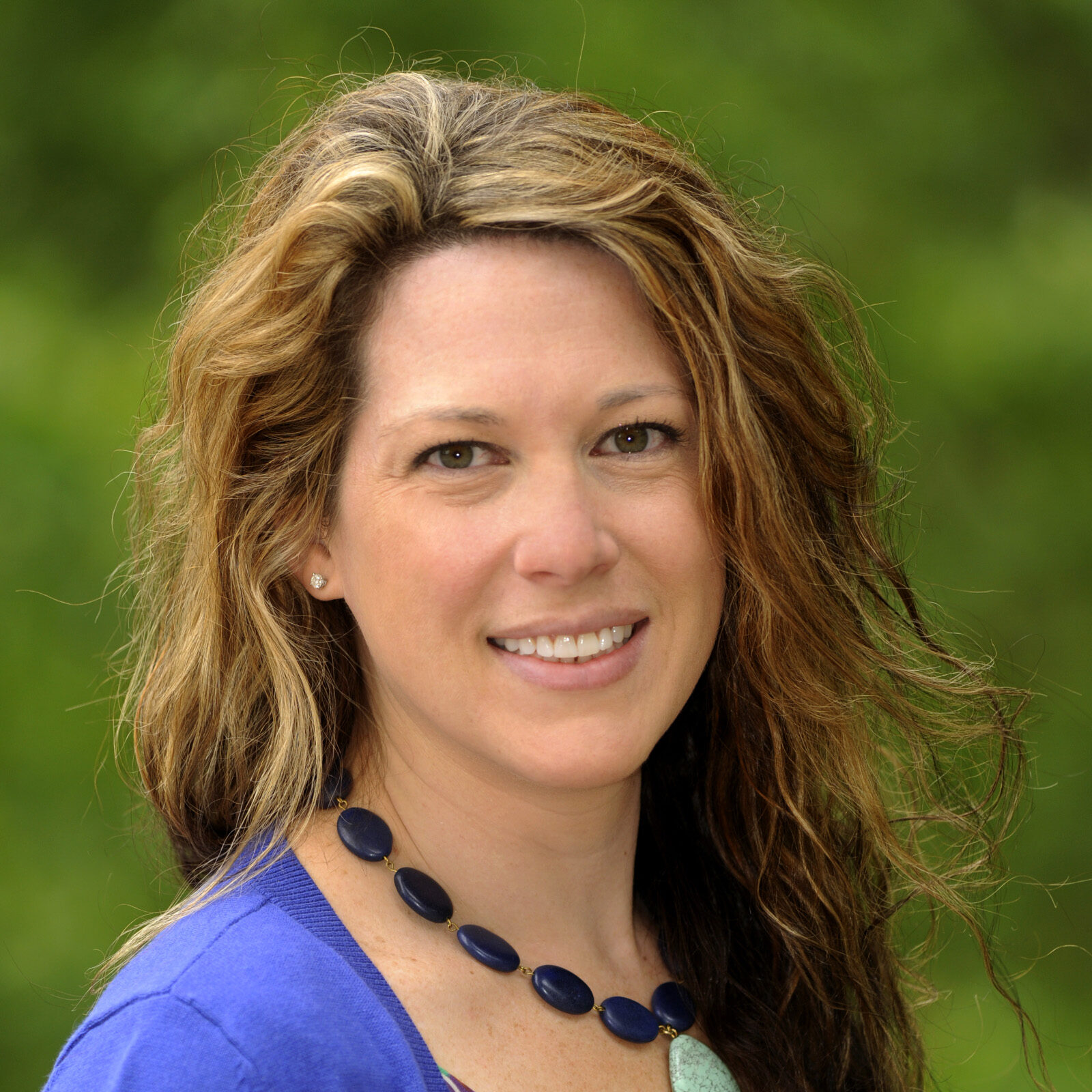
Shannon Whirledge, PhD, MSc
Shannon Whirledge, PhD, MSc
Dr. Shannon Whirledge received her B.S. in Biology and B.A. in Political Science in 2003 from Winthrop University and was awarded her Ph.D. in Molecular and Cellular Biology in 2009 from Baylor College of Medicine. She continued her studies in reproductive endocrinology as an NIH IRTA fellow at the NIEHS. During her postdoctoral fellowship, Dr. Whirledge received her Masters in Health Science in Clinical Research from Duke University. In 2016, she joined the faculty of the Department of Obstetrics, Gynecology, and Reproductive Sciences at Yale School of Medicine.
Dr. Whirledge is an active member of the Endocrine Society, Women in Endocrinology, the Society for the Study of Reproduction, and the Society for Reproductive Investigation. Dr. Whirledge has served as an editorial board member for Endocrinology and serves as an ad hoc reviewer for other journals within the fields of Cell Biology and Reproductive Sciences.
Lightning Insights
Speakers are listed in alphabetical order.
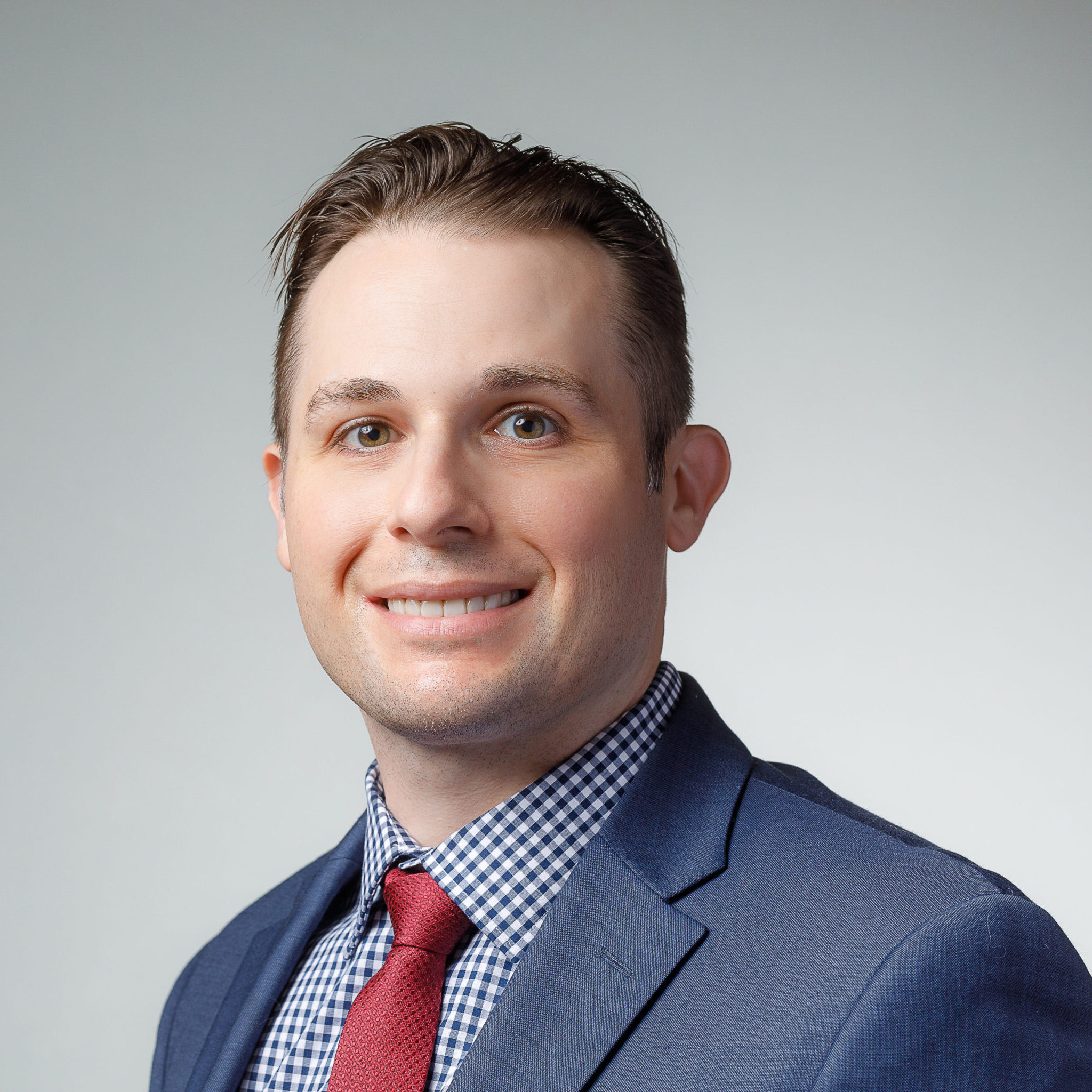
Jeff Gehlhausen, MD, PhD
Jeff Gehlhausen, MD, PhD
Dr. Jeff Gehlhausen, MD, PhD, is a dermatologist at Yale Medicine in New Haven, Connecticut. He specializes in caring for patients with complex autoimmune skin conditions such as cutaneous lupus, dermatomyositis, and vasculitis. Dedicated to helping those with challenging skin diseases that affect overall health, he combines his deep understanding of the immune system with the latest treatments to improve patient well-being.
Dr. Gehlhausen earned his medical degree and PhD from Indiana University. He completed an internal medicine internship at Vanderbilt University and a dermatology residency at Yale, where he served as chief resident. He further specialized in autoimmune skin disorders during advanced training at Brigham and Women’s Hospital.
As both a physician and researcher, Dr. Gehlhausen works to understand the signals underlying autoimmune diseases to better diagnose, treat, and manage patients. His work includes basic and translational research using patient-derived samples to study the diseases he sees in the clinic. He has published basic, translational, and clinical manuscripts on autoimmune diseases and has written multiple textbook chapters as well.
In addition to his clinical work, he teaches and mentors residents and medical students at Yale. Dr. Gehlhausen is committed to providing compassionate, comprehensive care, using the latest scientific insights to help his patients manage their conditions and improve their quality of life.

Aeka Guru
Aeka Guru
Aeka Guru received her BS in Molecular, Cellular, and Developmental Biology with a certificate in Global Health from Yale University in 2025. At Yale, she was named a Michele Dufault scholar for her pursuit of science and research. She is passionate about global women’s health and reducing women’s health inequities through a multi-pronged approach of fieldwork, research, policy, and advocacy.
As a Women’s Health Research at Yale Undergraduate Fellow, she investigated the integration of sex and gender differences in Yale School of Medicine’s curriculum through the use of artificial intelligence, working closely with faculty and students to implement these changes. This research was recently published in the Journal of Women’s Health. As an aspiring clinician, Aeka will continue to tackle women’s health disparities through education and service.

Shantana Hazel
Shantana Hazel
Shantana Hazel leads Sister Girl Foundation’s work in health advocacy, education, support, and equity, with a particular focus on breast cancer, endometriosis, infertility, and gynecologic cancers in underserved communities. Through her leadership for over 16 years, she helps raise awareness, expand support, and advance more equitable access to care. Shantana’s work reflects a deep commitment to addressing health disparities and improving health outcomes.
She has partnered with many organizations such as the American Cancer Society, Yale Cancer Center, YCC-Community Outreach and Engagement’s Community Advisory Board, the City of Bridgeport Health Department’s Community Advisory Board, the Connecticut Endometriosis Working Group, Alliance For Community Empowerment and other community and institutional partners. These partnerships strengthen her work, expand the foundation’s reach, and deepen its impact across the communities it serves.
Shantana has created and facilitates educational workshops and trainings on how to advocate for health care, tailored for both patients, caregivers and providers. Her teachings emphasize: Improving quality of life, Preventative care, Fostering hope before and after a diagnosis, Understanding patient-centered care, Maximizing the benefits of doctor’s appointments and bridging health disparities gaps for the underrepresented communities.
She is dedicated to creating lasting change in health equity through purposeful leadership and community-centered action. Her mission is grounded in service, impact, and the belief that every person deserves access to quality care and support.
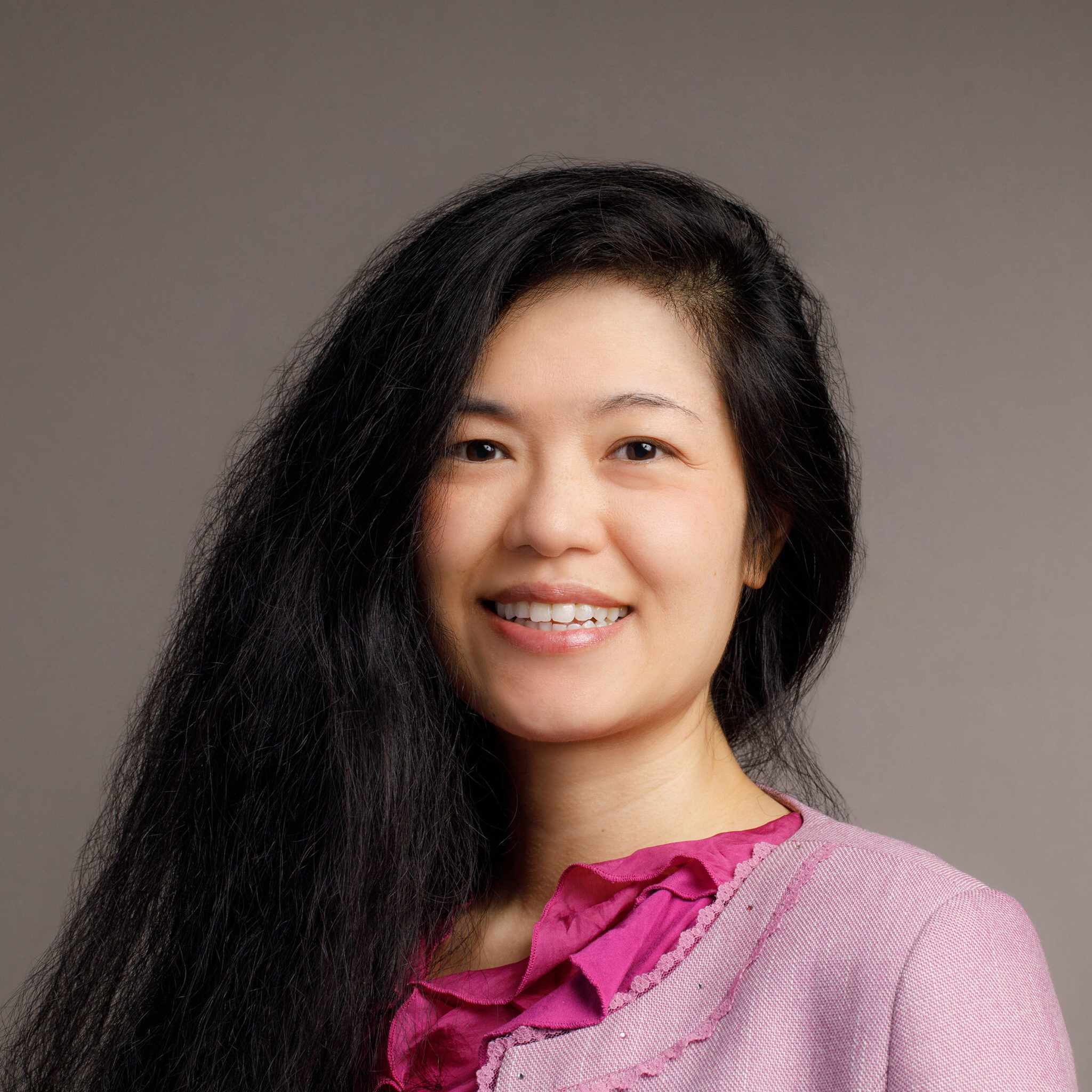
Jennifer M. Kwan, MD, PhD
Jennifer M. Kwan, MD, PhD
Dr. Jennifer Kwan is an assistant professor of medicine in the section of cardiovascular medicine at the Yale School of Medicine, working on cardio-oncology related translational research to evaluate mechanisms of cardiotoxicities associated with oncologic therapies and the role/effect of clonal hematopoiesis/somatic variants in heart failure and cardio-oncology patients, especially in immunotherapy mediated myocarditis. She leverages AI, radiomics and a multi-omics approach to predict cardiovascular outcomes and identify novel therapeutic targets. She was awarded a NIH KL2 and R56 grants for this work. She obtained her MD and PhD degrees from the Medical Scientist Training Program followed by completing her PSTP in internal medicine at UI Chicago where she has won several research awards. She then completed her cardiology and cardio-oncology/advanced imaging fellowships at Yale School of Medicine. She previously graduated with honors from the University of California, Berkeley with a BA in Molecular Cell Biology, where she was both a Cal Alumni Scholar and recipient of the Berkeley Academic Scholarship. She serves on the board of directors for the American Physician Scientists Association (APSA) and has spearheaded advocacy efforts and initiatives to support the career success of physician scientist trainees and early career physician scientists, including successful advocacy for increased NIH funding. She continues those efforts for early career physician-scientists as a co-founder of the American Junior Investigators Association (AJIA) and has partnered with the National Academy of Medicine to support early career investigator initiatives.

Rachel Jamison Perry, PhD
Rachel Jamison Perry, PhD
Dr. Rachel Perry is an Associate Professor in Medicine/Endocrinology and Cellular & Molecular Physiology, with secondary appointments in Comparative Medicine and Neuroscience, at the Yale University School of Medicine. Rachel’s background is in the use of hyperinsulinemic-euglycemic clamps and stable isotope infusions to assess insulin sensitivity, having earned her B.S. in Biomedical Engineering, Ph.D. (with Distinction) in Cellular & Molecular Physiology, and performed her postdoctoral training in Medicine/Endocrinology, all in the laboratory of Dr. Gerald Shulman. She opened her independent laboratory with K99/R00 funding in 2018.
The Perry laboratory focuses on applying stable isotope tracer methods to understand obesity- and insulin-associated alterations in metabolic flux pathways. Dr. Perry and her colleagues have recently identified hyperinsulinemia-induced increases in tumor glucose uptake and oxidation as a critical driver of colon cancer in two mouse models of the disease, and mitochondrial uncoupling as a potential therapeutic strategy against the disease, and went on to show that responsiveness to insulin is a metabolic signature of obesity-associated tumor types in vitro.
Current work in the Perry Lab expands upon these themes to study the intersection between systemic metabolism and immunometabolism in cancer as well as in sepsis and exercise. The Perry Lab has recently been or are currently funded by the NIH (R37, R21), the Melanoma Research Alliance, and the Juvenile Diabetes Research Foundation.
Dr. Perry places great value on mentorship and has completed multiple trainings to help her hone these skills. The Perry Lab is honored to have trainees at the high school, undergraduate, and graduate level from around the world working with us both remotely and in person.
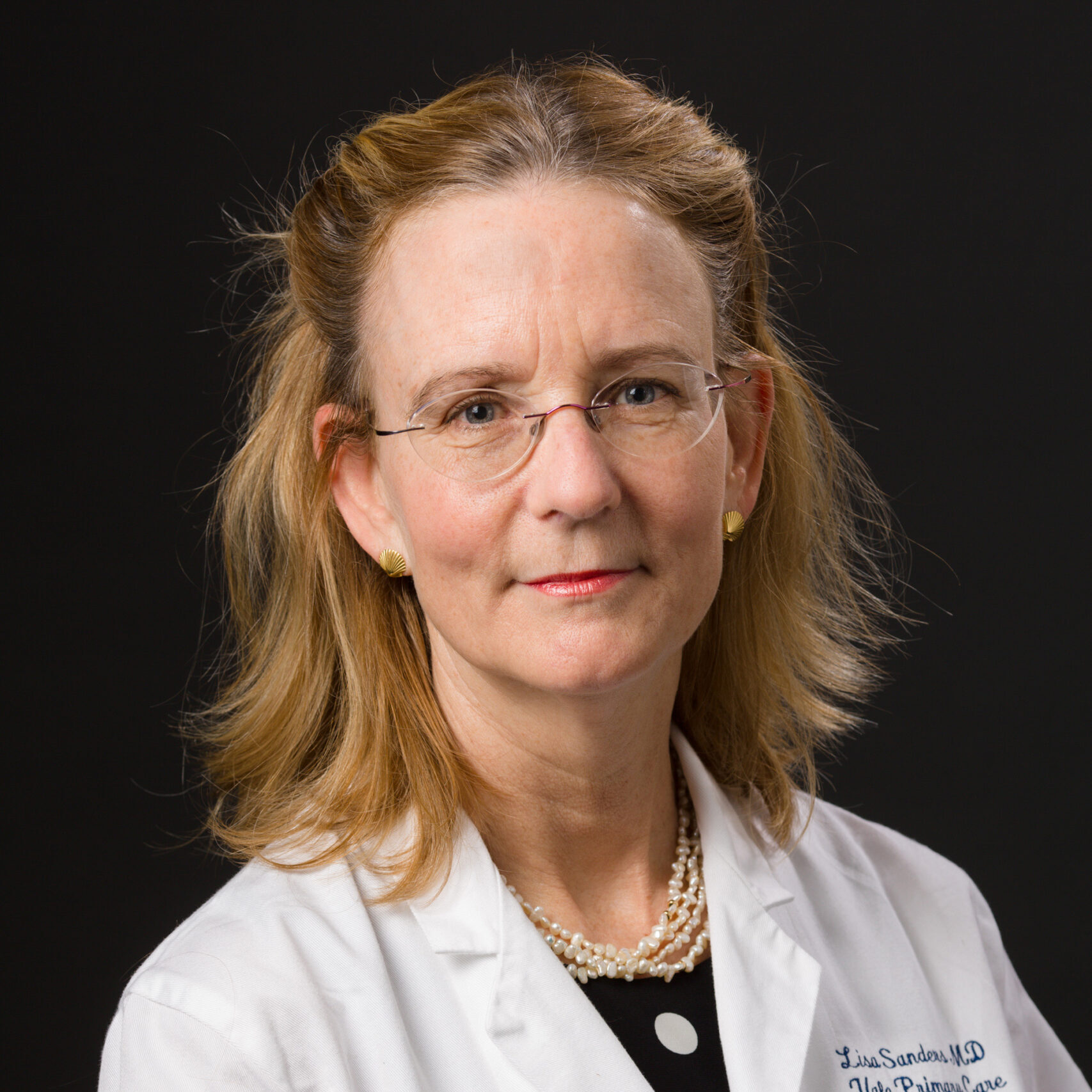
Lisa Sanders, MD
Lisa Sanders, MD
Dr. Lisa Sanders is the Medical Director of Yale’s Long Covid Multidisciplinary Care Center. In addition to her work as a physician and teacher, she writes the popular Diagnosis column for the New York Times Magazine and the Think Like a Doctor column featured in the New York Times blog, The Well. Her column was the inspiration for the Fox program House MD (2004-2012) and she served as a consultant to the show. In 2010, she published a book titled Every Patient Tells a Story: Medical Mysteries and the Art of Diagnosis. In 2019 she collaborated with the New York Times on an eight-hour documentary series on the process of diagnosis for Netflix. Her most recent book is a collection of her columns and is titled, Diagnosis: Solving the Most Baffling Medical Mysteries.
Sanders’ path to medicine was anything but traditional. As an undergraduate at the College of William and Mary, she majored in English, wrote for The Flat Hat, the college paper, and served pints of ale at Chownings Tavern in Colonial Williamsburg. After graduation she took a job with ABC at Good Morning America. Less than 10 years later, while working for CBS News, she won an Emmy Award for Outstanding Coverage of a Breaking News Story for coverage of Hurricane Hugo as it slammed into her hometown of Charleston, S.C. But by then, Sanders said, she was ready to move on professionally and decided that of all the subjects she covered as a journalist, medicine intrigued her most. After two years at Columbia University’s Post-Baccalaureate Premedical Program, Sanders was accepted to the Yale School of Medicine “as part of the 10 percent of the class they reserve for weirdos,” she said. In addition to her time in the hospital, Sanders is currently researching clinical decision making and the way diagnostic decisions and errors are made. She has also published two books on weight loss and food choice — The Perfect Fit Diet: Combine What Science Knows About Weight Loss With What You Know About Yourself in 2004 and The Perfect Fit Diet: How to Lose Weight, Keep it Off and Still Eat the Foods You Love in 2005.
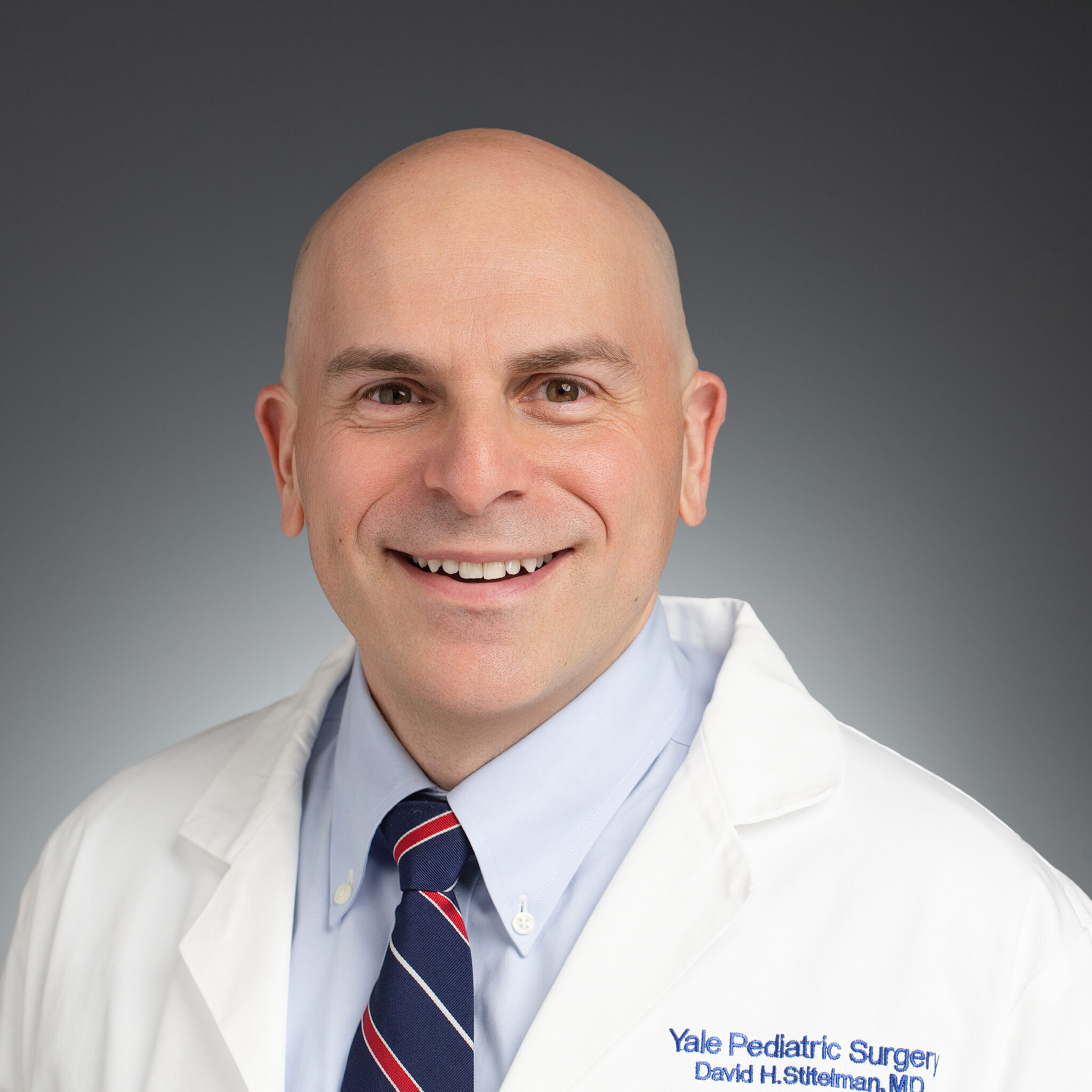
David Stitelman, MD
David Stitelman, MD
David H. Stitelman, MD, is a surgeon in the Division of Pediatric Surgery within the Department of Surgery at Yale.
As a clinician, Dr. Stitelman cares for children of all ages. He is the surgical director of the Yale Fetal Care Center. Such a program allows families who are given a fetal diagnosis based on prenatal testing an opportunity to meet with surgeons, pediatric medical specialists, obstetricians and neonatologists to plan for the management of their babies before and after birth.
Dr. Stitelman also runs a basic science laboratory with a focus on prenatal therapy. The hope of this line of research is to treat and cure genetic and structural diseases before birth.